Zygomatic Implant for Severe Bone Loss: Implant Options Explained
Severe bone loss in the upper jaw can limit traditional implant placement and requires careful evaluation of available options. Zygomatic implant methods offer an alternative when standard approaches face challenges due to bone resorption.
This article reviews general information on zygomatic implant and other implant options for severe bone loss. It also covers jaw surgery considerations and basic differences among approaches.
What Is Severe Bone Loss in the Jaw?
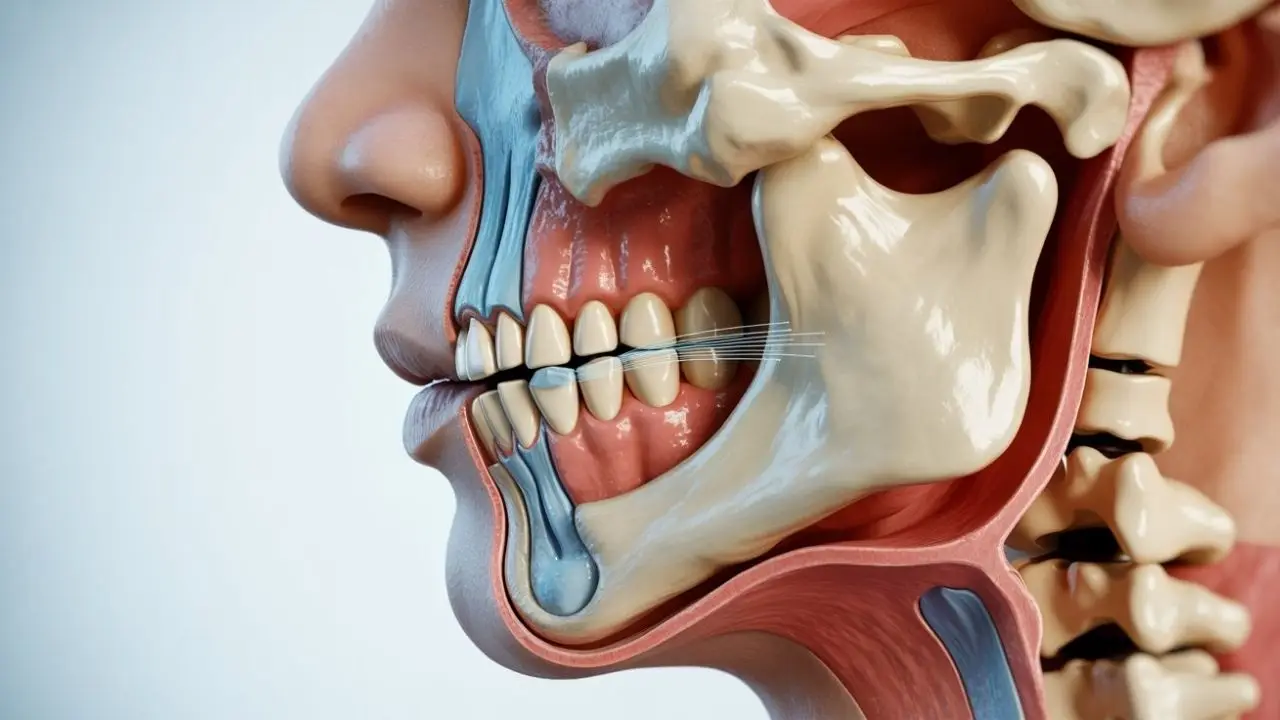
Severe bone loss, also known as advanced bone resorption, occurs when the alveolar bone that supports teeth gradually decreases. This process may result from long-term tooth loss, periodontal disease, or trauma.
Patients experiencing severe bone loss often need specialized assessment before any implant treatment. Imaging and clinical examination help determine remaining bone volume and quality.
Zygomatic Implant as an Option for Severe Bone Loss
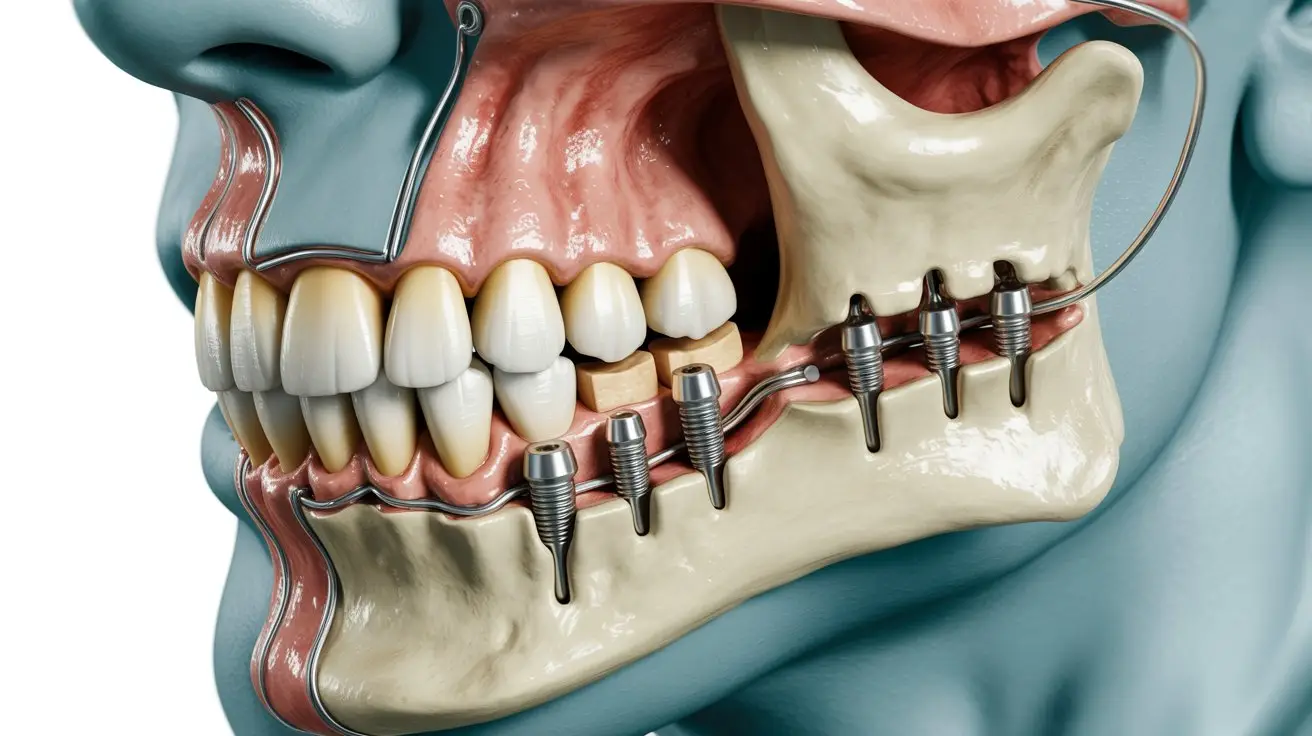
Zygomatic implant uses the cheekbone for anchorage instead of the upper jaw when bone height is insufficient. This method can be considered in cases where conventional implants cannot be placed without additional procedures.
The zygomatic implant approach differs from traditional implants by relying on denser bone in the zygomatic region. Suitability depends on individual anatomy and overall health status.
Other Implant Options and Jaw Surgery Approaches
Several implant options exist for severe bone loss. These may include bone grafting combined with standard implants or the use of shorter or angled implants when anatomy permits.
Jaw surgery techniques such as sinus lifts or ridge augmentation can sometimes restore bone volume. Each method carries its own considerations regarding healing time and procedural steps.
| Method | General Description |
|---|---|
| Zygomatic Implant | Support taken from cheekbone; evaluated when upper jaw bone is severely reduced. |
| Bone Grafting + Implant | Additional bone material placed to increase volume before implant insertion. |
| Short or Angled Implants | Alternative designs used when bone height is limited but grafting is not preferred. |
Considerations Before Choosing an Approach
Evaluation for severe bone loss typically involves three-dimensional imaging and medical history review. Factors such as sinus health, general medical condition, and remaining bone structure influence which implant options may be suitable.
Patients should understand that no single method works for every case. Personal assessment remains essential to identify the most appropriate path.
Recovery and Follow-Up Points
- Healing timelines vary depending on the chosen technique and individual response.
- Regular follow-up visits help monitor integration and address any concerns.
- Oral hygiene practices and dietary adjustments may be recommended during recovery.
Sık Sorulan Sorular
Is zygomatic implant suitable for every patient with severe bone loss?
Zygomatic implant may not be appropriate for all individuals. Suitability depends on bone structure, sinus anatomy, and overall health, which require professional evaluation.
How does severe bone loss affect standard implant placement?
Severe bone loss reduces available jawbone volume, often making conventional implants difficult without additional procedures such as grafting or alternative anchorage methods.
What role does jaw surgery play in severe bone loss cases?
Jaw surgery techniques can sometimes rebuild bone volume, but outcomes vary. The decision to combine surgery with implants is made after detailed imaging and examination.
Are there risks associated with zygomatic implant?
As with any surgical procedure, zygomatic implant carries potential risks including infection or sinus complications. These are discussed during consultation based on individual findings.
How long does recovery take after implant options for severe bone loss?
Recovery duration differs by method. Zygomatic implant and grafting procedures generally involve longer healing periods than simpler implant placements.
Can bone resorption continue after treatment?
Bone resorption may progress in some patients despite treatment. Ongoing monitoring and good oral care help manage long-term bone health.
Sonuç
Severe bone loss limits some traditional implant choices, yet options such as zygomatic implant can be evaluated in selected cases. Final decisions require personalized examination, imaging, and discussion with a qualified professional.
Uzman Bilgisi
Bu içerik, ağız, diş ve çene cerrahisi alanında bilgilendirme amacıyla hazırlanmıştır. Prof. Dr. Celal Çandırlı’nın 20 yılı aşkın mesleki deneyimi, İngiltere NHS Poole Hospital ve Newcastle Freeman Hospital eğitim geçmişi, konunun bilimsel ve klinik çerçevede ele alınmasına katkı sağlar.
This content is for general informational purposes only and does not replace professional diagnosis or treatment. Consult a qualified dentist or maxillofacial specialist for personal health concerns.