Understanding the Recovery Process After Jaw Dislocation Surgery
The recovery process after jaw dislocation surgery requires careful attention and patience. Jaw dislocation, also known as temporomandibular joint dislocation, can occur due to trauma, excessive yawning or underlying joint issues. Surgery may be considered when conservative treatments do not provide sufficient stability.
Patients often wonder what the recovery process after jaw dislocation surgery involves. This article explains the general timeline, possible challenges and daily care points that may arise during healing. Every individual heals differently, so personal assessment by a specialist remains essential.
What Happens During Jaw Dislocation Surgery?
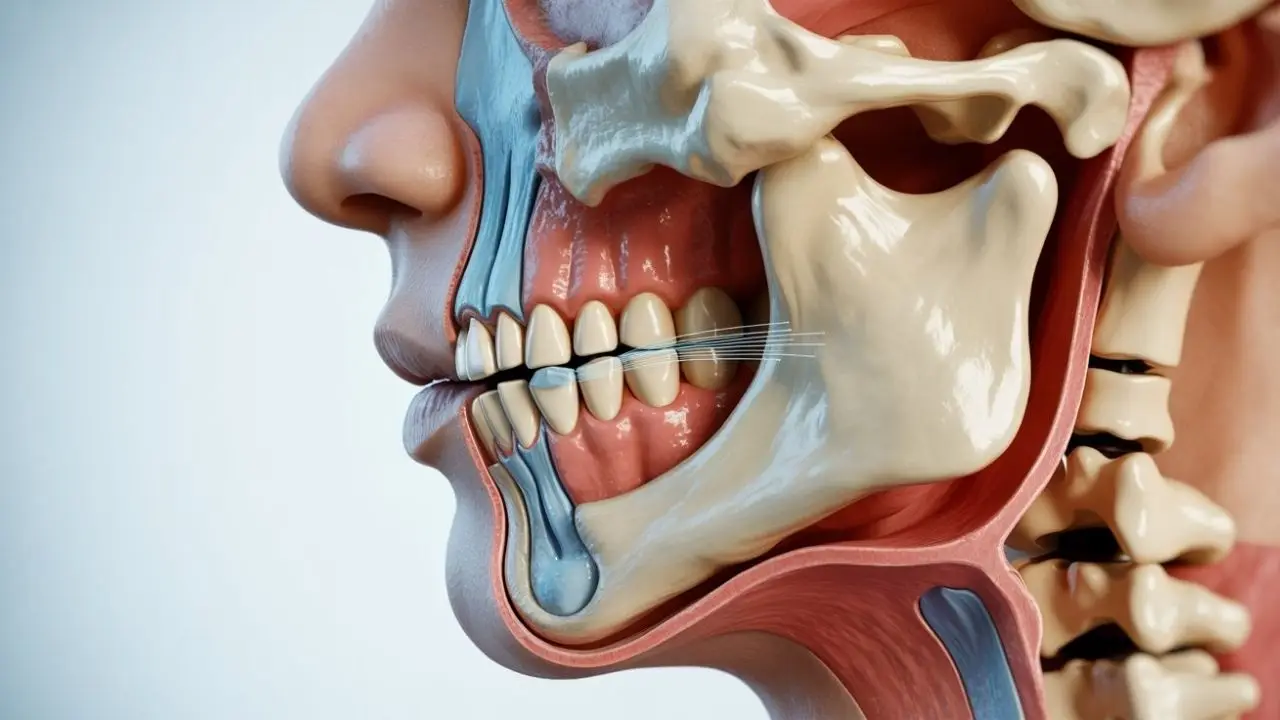
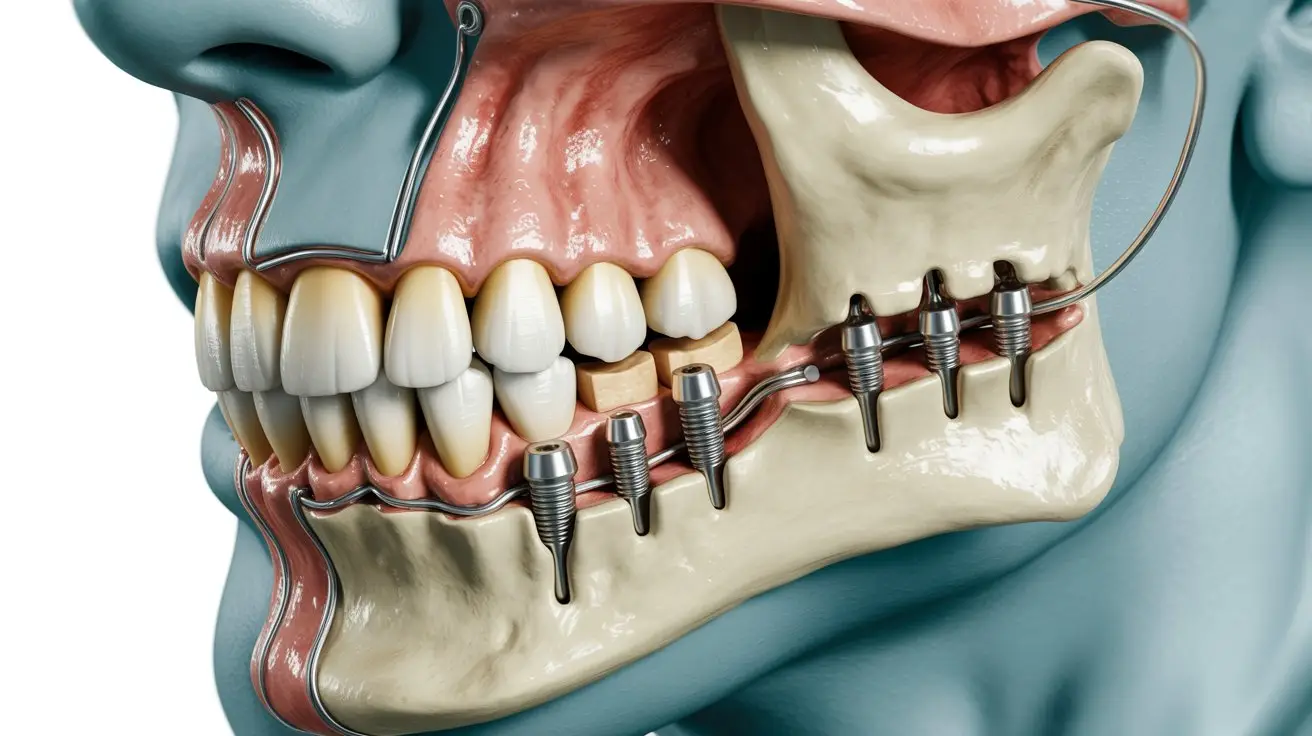
Jaw dislocation surgery aims to reposition and stabilize the temporomandibular joint (jaw joint). The procedure may involve repositioning the condyle, repairing ligaments or using fixation methods when needed. General or local anesthesia is typically used depending on the case.
Immediate Post-Operative Period
Swelling, mild discomfort and limited jaw movement are common in the first few days. A soft or liquid diet is usually recommended to avoid stressing the surgical site. Ice application and prescribed medications help manage symptoms during this phase.
Week-by-Week Recovery Timeline
- First week: Focus on rest, swelling control and following dietary restrictions.
- Weeks 2-4: Gradual introduction of soft foods and light jaw exercises if advised.
- Months 1-3: Improved range of motion and return to normal activities under guidance.
Factors That May Affect Healing
| Factor | General Influence on Recovery |
|---|---|
| Age and overall health | May affect tissue healing speed |
| Smoking status | Can slow recovery and increase complications |
| Adherence to instructions | Supports better outcomes |
| Presence of TMJ disorders | May require additional management |
Possible Challenges During Recovery
Some patients experience temporary stiffness, dietary limitations or changes in bite sensation. These effects usually improve over time. Persistent pain or difficulty opening the mouth should be reported to the treating physician.
Long-Term Considerations
Full recovery from jaw dislocation surgery can take several months. Regular follow-up visits help monitor joint function and healing progress. Physical therapy or specific jaw exercises may be suggested in certain cases.
Sık Sorulan Sorular
How long does the recovery process after jaw dislocation surgery usually take?
Healing timelines vary, but many patients notice significant improvement within 6 to 12 weeks. Complete stabilization of the joint may require up to three months or longer.
What can I eat during the first weeks after surgery?
A liquid or very soft diet is typically advised initially. Foods should be easy to swallow without requiring chewing to protect the surgical area.
Is pain normal during the recovery process after jaw dislocation surgery?
Mild to moderate discomfort is expected in the early days. Pain that increases or does not respond to medication should be evaluated by a healthcare professional.
When can I return to work or daily activities?
Most people resume light activities within one to two weeks, depending on the nature of their work and individual healing rate.
Can TMJ problems return after surgery?
TMJ issues may recur in some patients. Ongoing management and lifestyle adjustments can help reduce this possibility.
Why is follow-up imaging important after jaw dislocation surgery?
Follow-up imaging allows the surgeon to confirm proper joint positioning and detect any complications early in the recovery process.
Conclusion
The recovery process after jaw dislocation surgery involves gradual improvement in jaw function and comfort. Individual results depend on many factors, and only a qualified specialist can determine the most suitable approach for each patient after thorough examination.
Uzman Bilgisi
This content has been prepared for general informational purposes in the field of oral and maxillofacial surgery. Prof. Dr. Celal Çandırlı’s more than 20 years of professional experience and training at England NHS Poole Hospital and Newcastle Freeman Hospital contribute to presenting the topic within a scientific and clinical framework.
This content is for general informational purposes only and does not replace diagnosis or treatment. For any complaints related to oral, dental and jaw health, consult your dentist or relevant specialist healthcare professional.