Silastic vs Medpor Implants in Facial Reconstruction
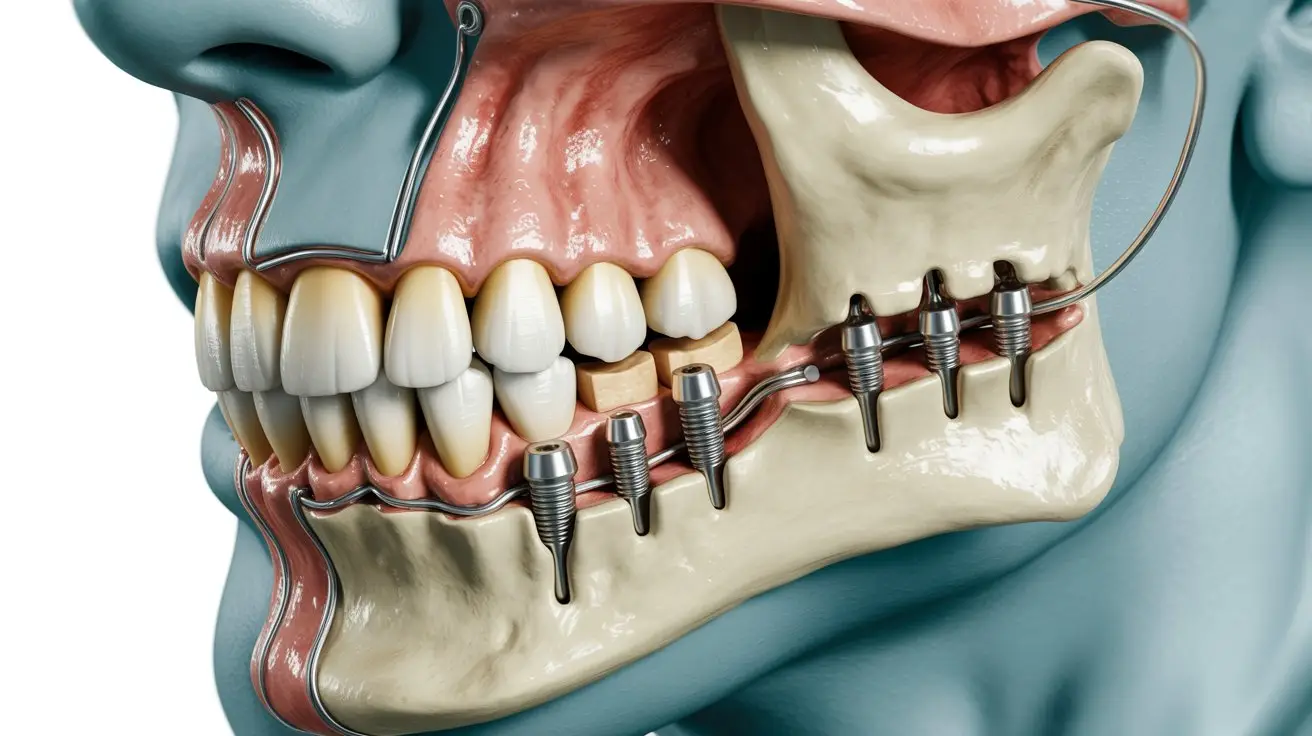
Silastic and Medpor implants represent two commonly discussed materials in facial reconstruction procedures, including those involving jaw surgery. These options may be considered when structural support or volume restoration is needed in the facial skeleton. This article provides general information about their characteristics, potential uses, and considerations.
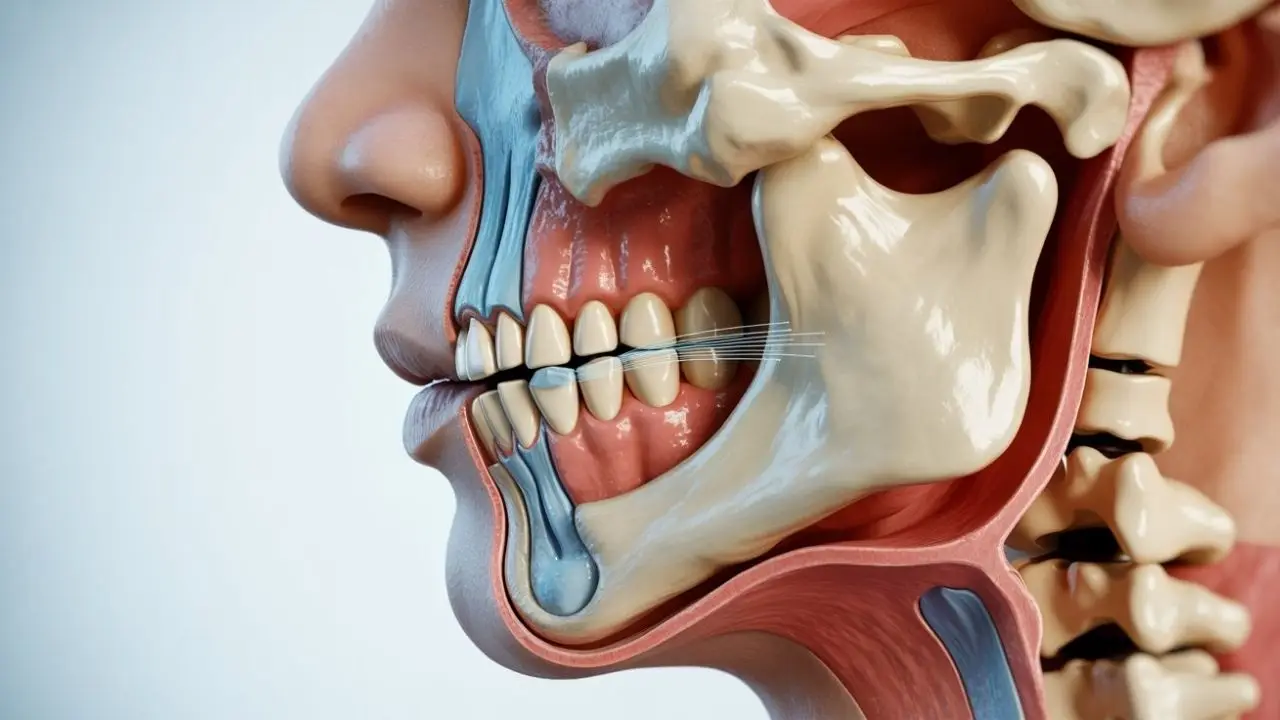
Facial reconstruction often addresses bone deficiencies resulting from trauma, congenital conditions, or prior surgeries. Implant materials can serve as alternatives or adjuncts to bone grafting in selected cases. Individual suitability depends on clinical evaluation and imaging findings.
What Are Silastic Implants?
Silastic implants consist of medical-grade silicone rubber. They have been used for many years in facial augmentation due to their flexibility and ease of shaping. These implants are non-porous, which means tissue does not grow into the material itself.
- Generally smooth surface that may allow easier removal if revision is required later.
- Can be carved intraoperatively to match patient anatomy.
- May carry risks such as capsule formation or displacement over time.
What Are Medpor Implants?
Medpor implants are made from porous high-density polyethylene. The interconnected pores permit fibrovascular ingrowth, potentially leading to greater tissue integration. This material is rigid yet can be contoured with surgical instruments.
- Porous structure may reduce the likelihood of migration once integrated.
- Offers good mechanical strength for load-bearing areas in jaw surgery.
- Requires careful handling during placement to avoid contamination of pores.
Comparison of Implant Materials
| Feature | Silastic Implant | Medpor Implant |
|---|---|---|
| Composition | Medical-grade silicone | Porous polyethylene |
| Tissue Integration | Minimal; fibrous capsule forms | Possible fibrovascular ingrowth |
| Handling | Flexible, easily carved | Rigid, can be contoured |
| Revision Potential | Generally easier removal | May require more dissection |
| Common Applications | Soft tissue augmentation | Structural support in facial reconstruction |
Factors That May Influence Material Selection
Choice between silastic implant and medpor implant depends on the specific anatomical site, desired mechanical properties, and patient history. Areas subject to movement or infection risk may require different considerations. Three-dimensional imaging and clinical examination help determine appropriate options.
General Considerations After Implant Placement
Postoperative care typically includes monitoring for infection, swelling, and implant stability. Patients are usually advised to avoid trauma to the surgical site during healing. Long-term follow-up allows assessment of integration and function.
Sık Sorulan Sorular
Can silastic implant and medpor implant be used interchangeably in jaw surgery?
These materials have different physical properties, so interchangeability depends on the surgical goals and anatomical requirements evaluated during consultation.
How long do facial reconstruction implants typically last?
Longevity varies with material type, placement location, and individual factors; regular clinical follow-up helps monitor performance over time.
Are there risks specific to porous implants like Medpor?
Porous materials may allow tissue ingrowth but can also harbor bacteria if exposed to infection; surgical technique and patient selection influence outcomes.
Is removal easier with silastic implant compared to medpor implant?
Silastic implants often form a capsule that may facilitate removal, whereas Medpor integration can require more extensive dissection if revision becomes necessary.
Does facial reconstruction always require an implant?
Not every case requires an implant; bone grafts or other reconstructive methods may be considered depending on the extent of deficiency and patient-specific factors.
Why is personal evaluation important before choosing implant materials?
Medical history, bone quality, and aesthetic or functional goals differ among individuals; only a qualified specialist can assess suitability through examination and imaging.
Conclusion
Silastic and Medpor implants offer distinct characteristics that may be relevant in facial reconstruction and jaw surgery contexts. Decisions about implant materials should follow thorough clinical assessment rather than general comparisons alone.
Expert Information
This content has been prepared for general informational purposes in the field of oral, dental and maxillofacial surgery. Prof. Dr. Celal Çandırlı’s more than 20 years of professional experience and training at England NHS Poole Hospital and Newcastle Freeman Hospital contribute to presenting the subject within a scientific and clinical framework.
This content is for general informational purposes only and does not replace diagnosis or treatment. Consult a dentist or relevant specialist healthcare professional for any concerns regarding oral, dental, or maxillofacial health.