Orthognathic Surgery Recovery Timeline and Nutrition Tips
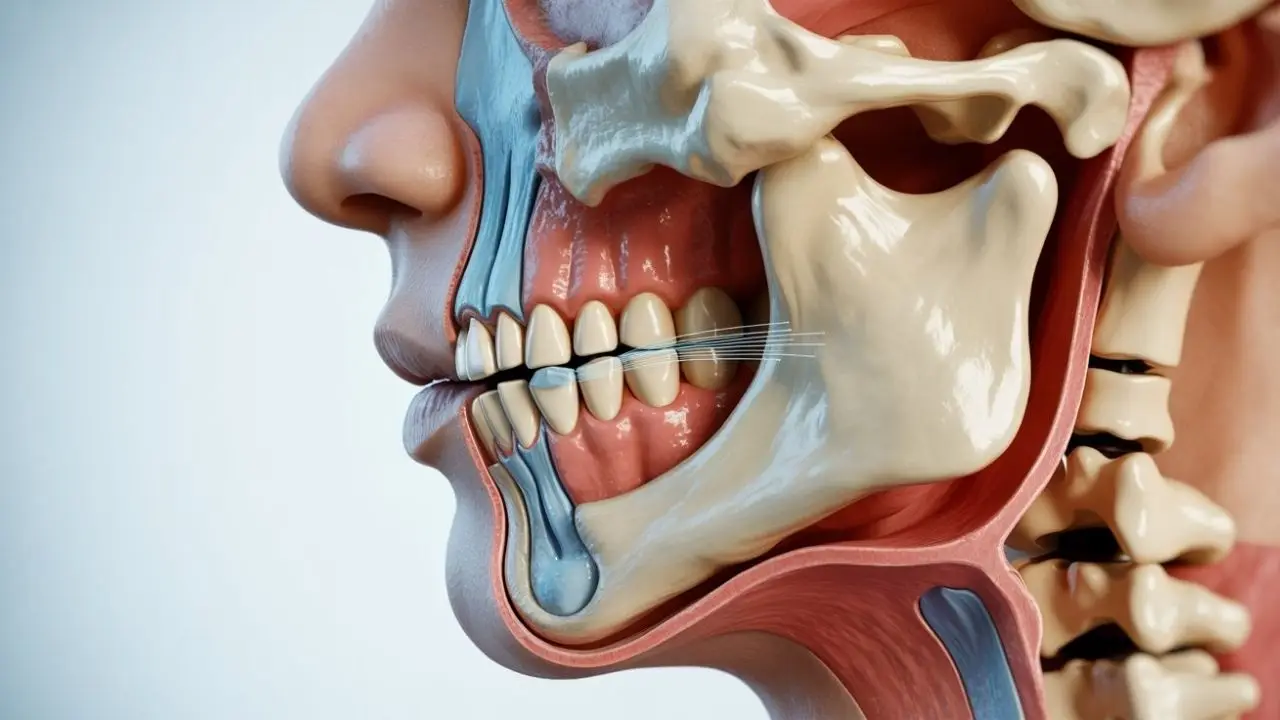
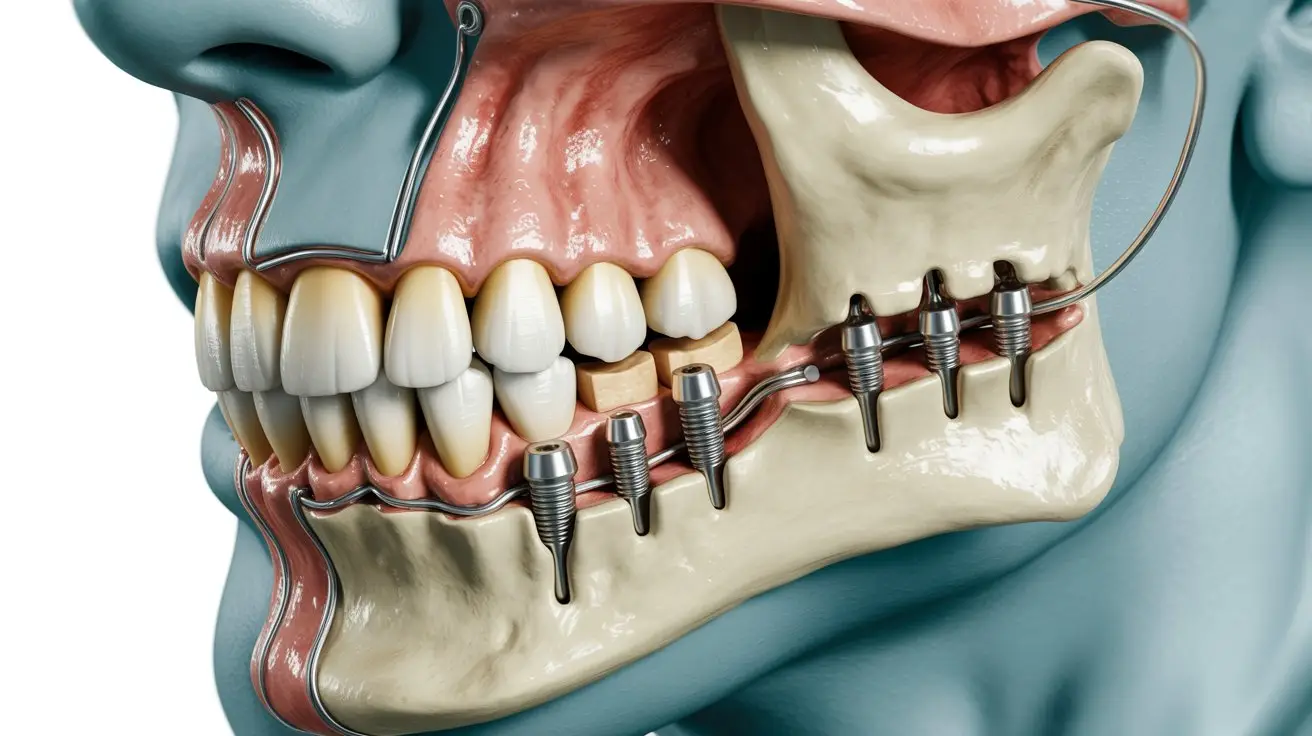
Orthognathic surgery recovery is a gradual process that requires patience and proper care after jaw surgery. Understanding the general timeline and daily considerations helps patients prepare for the weeks following the procedure.
Recovery experiences vary from person to person. Factors such as the extent of the surgery, individual healing capacity, and adherence to post-operative instructions influence the overall process. This guide outlines common stages and supportive measures in simple terms.
What Is Orthognathic Surgery Recovery?
Orthognathic surgery recovery refers to the healing period after corrective jaw surgery. During this time, swelling decreases, tissues repair, and patients gradually return to normal function. The process typically spans several weeks to months.
General Recovery Timeline After Jaw Surgery
The recovery timeline after jaw surgery follows a predictable pattern for most patients. Early days focus on rest and swelling control, while later weeks emphasize nutrition and light activity.
| Phase | General Description |
|---|---|
| First 1-2 weeks | Significant swelling and limited jaw movement; liquid diet required. |
| Weeks 3-6 | Swelling reduces; soft foods introduced; light daily activities possible. |
| Months 2-3 | Improved jaw function; gradual return to regular diet under guidance. |
| After 3 months | Continued healing; final results become clearer over time. |
Nutrition Tips During Jaw Surgery Recovery
Nutrition plays a key role in supporting healing after orthognathic surgery. Patients often start with liquids and progress to soft textures as comfort allows.
- Choose high-protein shakes, smoothies, and broths in the initial phase.
- Include nutrient-dense options such as blended vegetables, yogurt, and fortified drinks.
- Avoid straws and hard foods that could disrupt healing sites.
- Stay hydrated with water and non-acidic beverages throughout the day.
- Consult a healthcare professional for personalized dietary adjustments.
Daily Care Considerations
Simple routines help manage discomfort and support recovery. Keeping the head elevated while resting, applying cold compresses as advised, and maintaining oral hygiene with gentle methods are commonly recommended practices.
When to Seek Professional Advice
Any unexpected changes in swelling, pain, or healing should be discussed with the surgical team. Regular follow-up visits allow monitoring of progress and timely adjustments to the care plan.
Sık Sorulan Sorular
How long does orthognathic surgery recovery usually take?
Most noticeable swelling subsides within the first six weeks, but complete healing may continue for several months. Exact duration depends on individual factors and surgical details.
What foods are suitable during jaw surgery recovery?
Liquid and soft foods such as smoothies, soups, and mashed items are typically recommended early on. A nutrition-focused approach supports tissue repair and energy levels.
Is swelling normal after orthognathic surgery?
Swelling is a common part of the recovery process and usually peaks in the first few days before gradually decreasing. Cold therapy and head elevation may help manage it.
When can patients return to work after jaw surgery?
Many individuals resume light duties after two to three weeks, though this varies. Full return depends on the nature of work and personal healing progress.
Are there activity restrictions during recovery?
Strenuous exercise and contact sports are generally avoided for several weeks. Gentle walking is often encouraged once cleared by the care team.
Why is follow-up care important after jaw surgery?
Follow-up appointments allow professionals to assess healing, adjust care plans, and address any concerns. Personal evaluation remains essential for safe recovery.
Sonuç
Orthognathic surgery recovery involves multiple stages that require attention to rest, nutrition, and gradual activity increases. Every patient’s situation differs, so individual assessment by a qualified healthcare provider is necessary to determine the most appropriate approach.
Uzman Bilgisi
This content has been prepared for general informational purposes in the field of oral, dental and maxillofacial surgery. Prof. Dr. Celal Çandırlı’s more than 20 years of professional experience and training at England NHS Poole Hospital and Newcastle Freeman Hospital contribute to presenting the topic within a scientific and clinical framework.
This content is for general information purposes only; it does not replace diagnosis or treatment. For complaints related to oral, dental and jaw health, you should consult your dentist or relevant specialist health professional.