Advantages of 3D Printed Facial Implants in Surgery
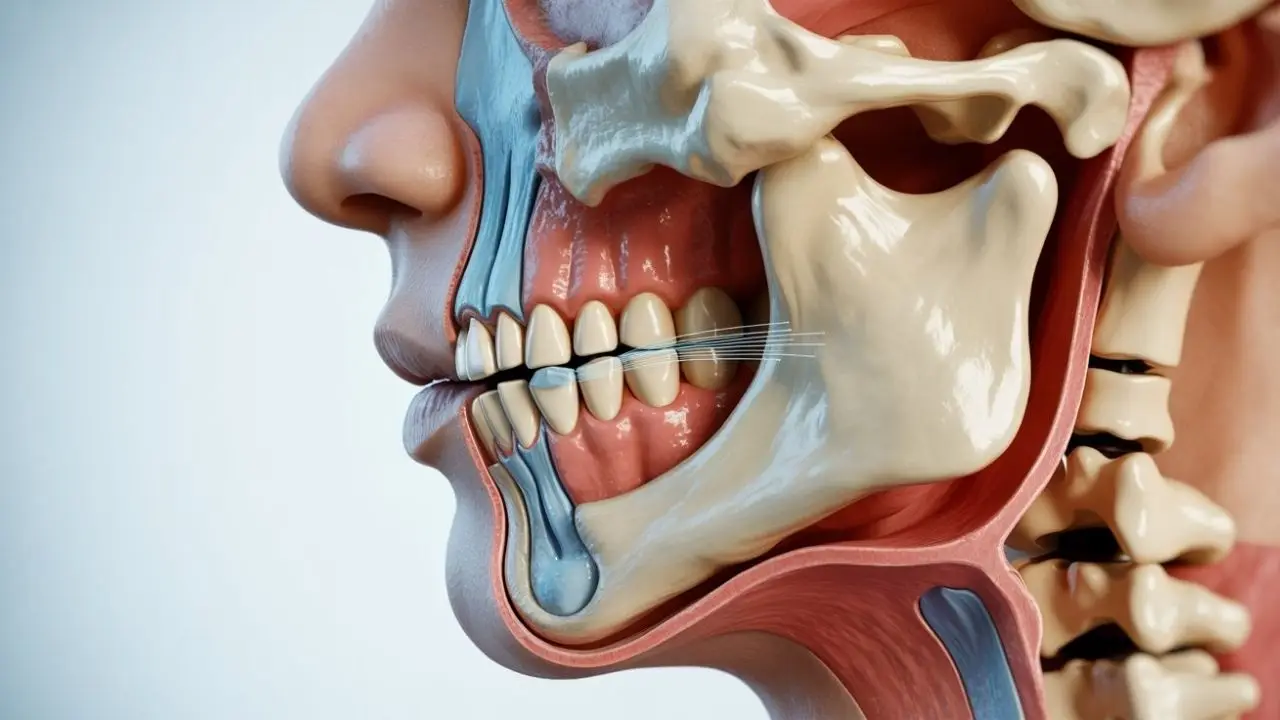
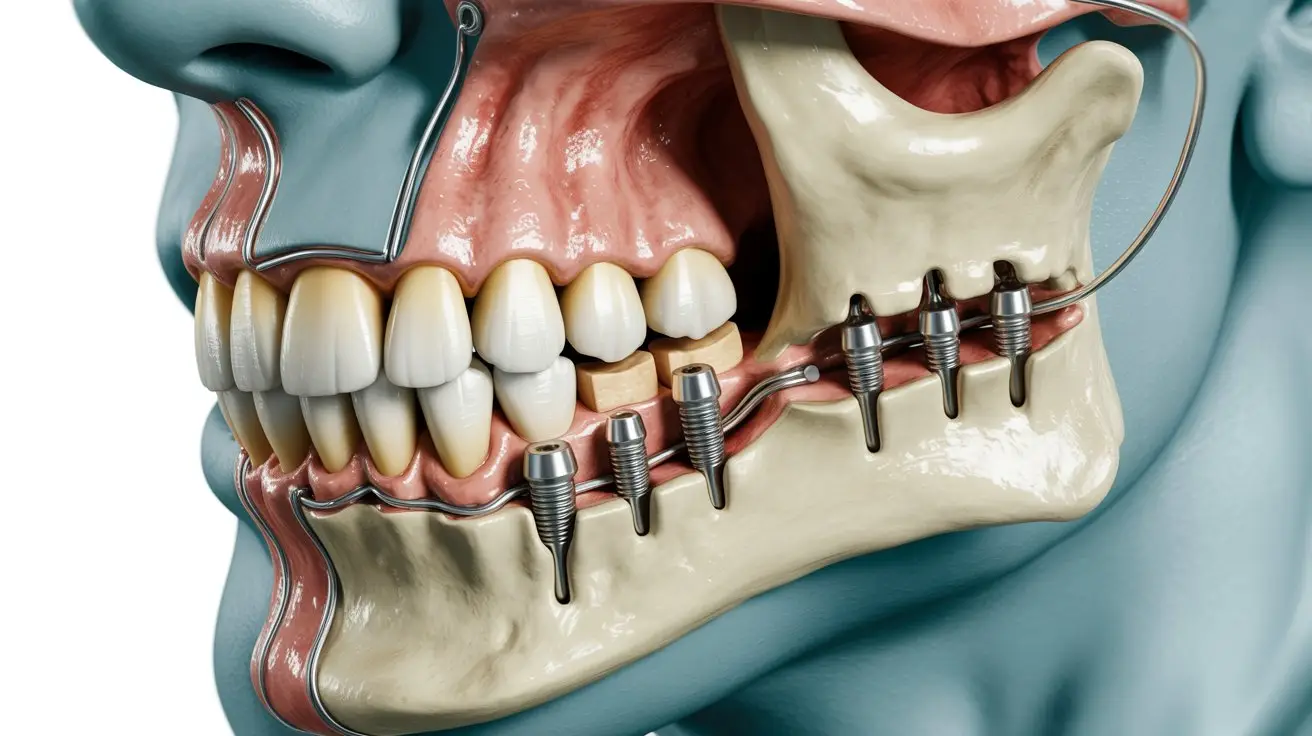
3D printed facial implants offer a modern approach that may be considered in certain cases of facial reconstruction or jaw surgery. These custom implant options are designed using detailed imaging to match individual anatomy more closely than traditional methods.
Patients exploring facial surgery sometimes discuss 3D printed implant solutions with their surgeons. The process involves digital planning that can help improve fit and reduce the need for extensive adjustments during the procedure.
What Is a 3D Printed Facial Implant?
A 3D printed facial implant is created from medical-grade materials using computer-aided design based on CT or MRI scans. This method allows the implant to follow the patient’s unique bone structure more precisely.
How Does Custom Implant Planning Work?
Surgeons may evaluate 3D printed implant suitability through detailed imaging and clinical examination. The design phase focuses on matching the implant to the target area, which can include the jaw or other facial bones.
| Aspect | Traditional Implant | 3D Printed Implant |
|---|---|---|
| Customization | Limited shapes available | Designed from patient scans |
| Fit | May require adjustments | Closer anatomical match possible |
| Planning time | Standard preparation | Digital modeling required |
| Material options | Commonly used types | Medical-grade printable materials |
Potential Benefits in Jaw Surgery
- Improved adaptation to existing bone contours
- Reduced operating time in some cases
- Possibility of addressing complex defects
- Support for both functional and aesthetic goals
Who Might Be Considered for a 3D Printed Implant?
Individuals with significant bone loss, congenital differences, or trauma-related changes may be evaluated for this approach. Suitability depends on overall health, bone quality, and surgical goals discussed with a specialist.
Considerations Before Facial Surgery
Preoperative assessment usually includes three-dimensional imaging, medical history review, and discussion of possible risks. Not every patient will be a candidate, and alternatives may also be reviewed.
Sık Sorulan Sorular
Is a 3D printed implant suitable for everyone?
No. Suitability is determined after clinical examination and imaging. Factors such as bone quality and general health are reviewed individually.
How long does the planning process take?
Planning time varies. Digital design and printing can require several weeks depending on case complexity and material availability.
Are there risks specific to 3D printed implants?
As with any surgery, risks such as infection or implant movement exist. The surgeon explains these during consultation based on personal findings.
Can 3D printed implants be used in jaw surgery?
Yes, they may be considered in selected jaw surgery cases where precise fit is important. Final decisions follow thorough evaluation.
What materials are typically used?
Medical-grade titanium or polymer materials approved for implantation are common. The choice depends on the surgical plan.
Is additional surgery needed later?
Some patients may require follow-up procedures. Long-term outcomes depend on healing and individual circumstances.
Sonuç
3D printed facial implants represent an evolving option that can be evaluated for certain facial surgery needs. Personal assessment with imaging remains essential to determine whether this approach aligns with individual anatomy and health status.
Uzman Bilgisi
This content is prepared for general informational purposes in the field of oral, dental and maxillofacial surgery. Prof. Dr. Celal Çandırlı’s over 20 years of professional experience and training at England NHS Poole Hospital and Newcastle Freeman Hospital contribute to presenting the topic within a scientific and clinical framework.
This content is for general informational purposes only and does not replace diagnosis or treatment. Consult a dentist or relevant specialist healthcare professional for any concerns regarding oral, dental, or maxillofacial health.