Implant Options for Severe Bone Loss Cases
Bone loss implant approaches may be considered when the jawbone has deteriorated to the point that standard dental implants cannot achieve stable placement. Severe bone loss often develops after long-term tooth absence, periodontal disease or trauma, leaving an atrophic jaw that lacks sufficient height and width for conventional treatment.
This article explains the general circumstances in which advanced implant techniques are discussed, outlines the main options available and highlights why individual clinical assessment remains essential. Readers should remember that suitability varies widely between patients and can only be determined through professional examination and imaging.
What Causes Severe Bone Loss in the Jaw?
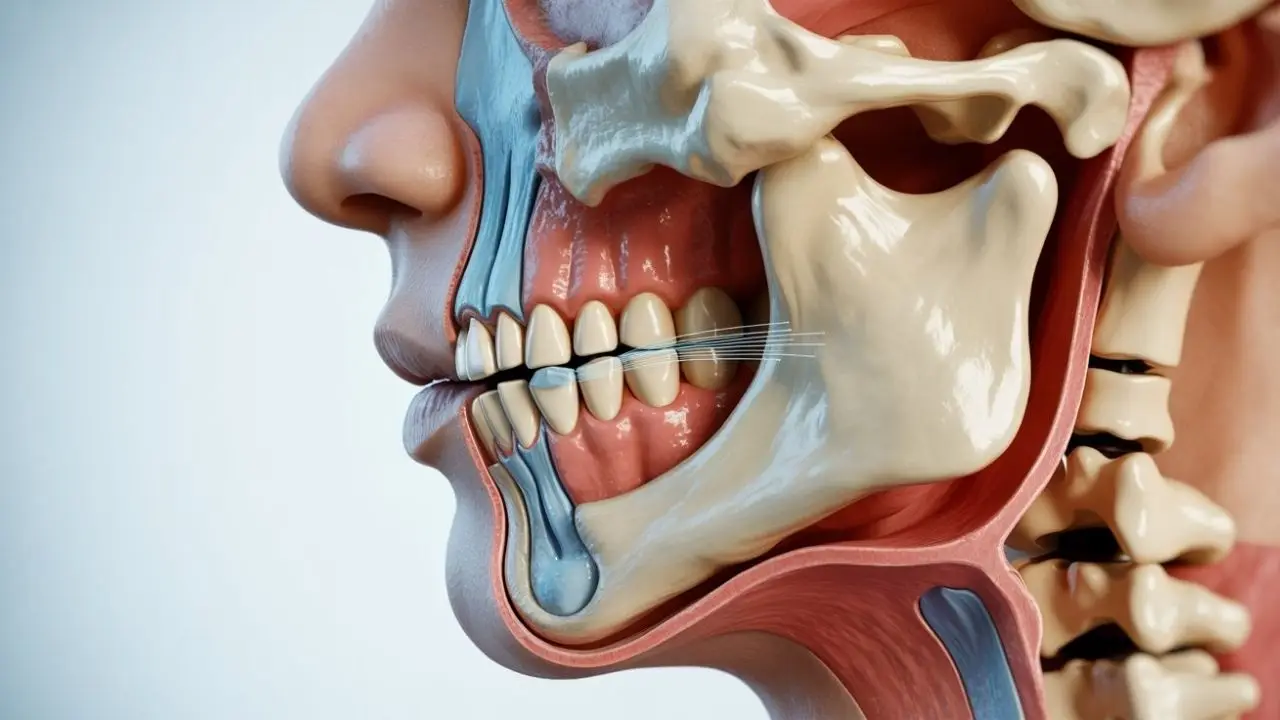
Progressive resorption of the alveol bone (the bone that supports teeth) occurs when natural teeth are missing for extended periods. Systemic conditions, smoking and certain medications can accelerate this process, resulting in an atrophic jaw that complicates implant placement.
Three-dimensional imaging helps clinicians evaluate remaining bone volume and plan possible solutions. Early discussion with a specialist allows patients to understand the range of options before any decision is made.
When Traditional Implants May Not Be Sufficient
Standard bone loss implant procedures usually require adequate vertical and horizontal bone dimensions. In cases of advanced resorption, additional surgical steps such as bone grafting may be proposed, yet grafting is not always predictable or suitable for every individual.
Alternative anchorage sites in the facial skeleton are therefore sometimes explored. These approaches aim to utilise denser bone structures that remain even when the alveolar ridge has been lost.
Zygomatic Implant as an Alternative
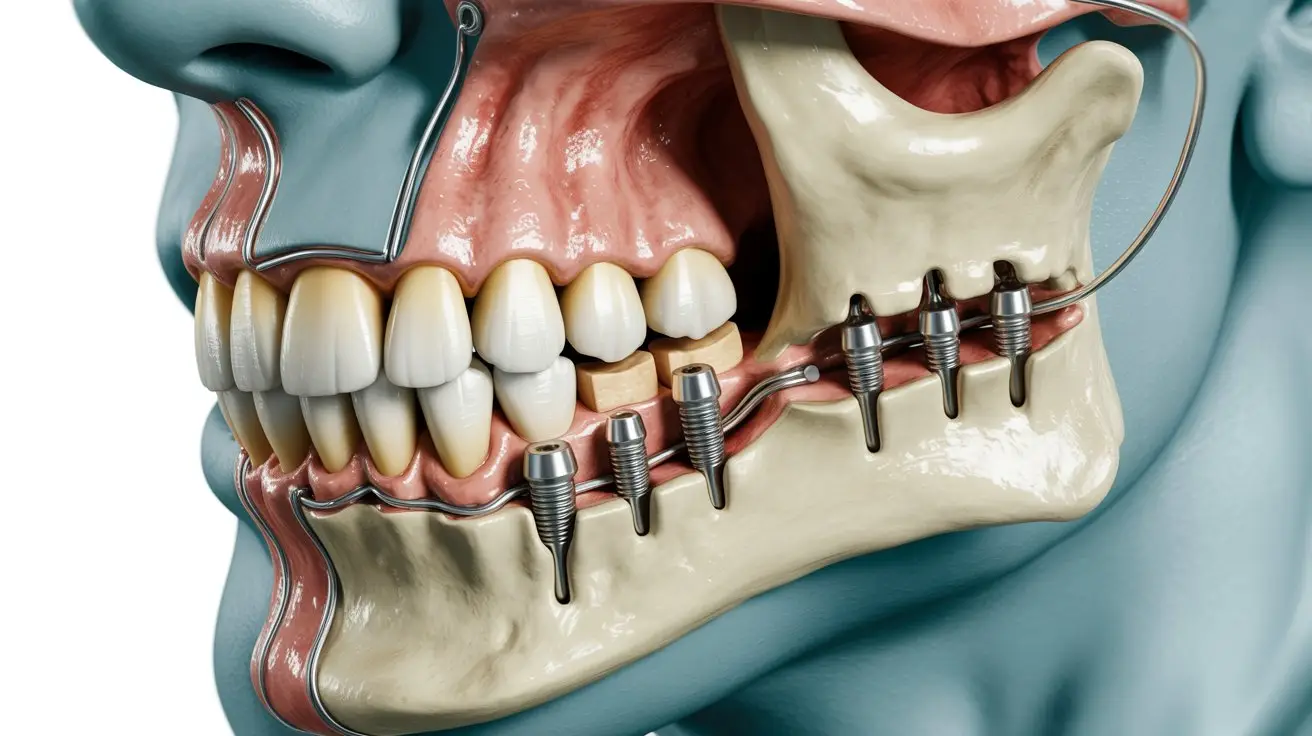
A zygomatic implant is anchored in the zygomatic (cheek) bone rather than the upper jaw itself. This method can bypass the need for extensive grafting in the maxilla when bone loss implant candidates present with extreme maxillary atrophy.
Placement requires detailed preoperative planning with cone-beam computed tomography. The procedure is performed under general anaesthesia in a hospital setting and demands experienced surgical teams.
Pterygoid Implant Technique
Pterygoid implant placement utilises the pterygoid process of the sphenoid bone at the posterior maxilla. This option may provide posterior support in patients whose posterior maxillary bone is insufficient for conventional implants.
Like zygomatic implants, pterygoid implants are considered when other reconstructive methods are deemed less favourable. Anatomical variations and sinus proximity must be carefully assessed beforehand.
Comparison of Advanced Implant Techniques
| Technique | Primary Anchorage Site | Typical Indication | Additional Considerations |
|---|---|---|---|
| Zygomatic implant | Cheekbone | Severe maxillary atrophy | Requires general anaesthesia; specialised training needed |
| Pterygoid implant | Pterygoid process | Posterior maxillary deficiency | Proximity to vital structures; precise imaging essential |
| Bone grafting with conventional implants | Augmented alveolar ridge | Moderate bone loss | Longer treatment time; donor site morbidity possible |
Evaluation and Planning Process
Comprehensive assessment includes medical history review, clinical examination and radiographic analysis. Factors such as overall health, sinus condition and previous surgeries influence whether a bone loss implant solution is appropriate.
- Medical optimisation before surgery
- Discussion of potential risks and limitations
- Post-operative care instructions and follow-up schedule
General Considerations After Surgery
Recovery timelines differ according to the chosen technique. Patients are usually advised to follow a soft diet initially and attend regular review appointments. Any signs of infection or prosthetic complications should be reported promptly to the treating clinician.
Sık Sorulan Sorular
Are zygomatic implants suitable for everyone with bone loss?
Zygomatic implants are not indicated for every patient. Suitability depends on individual anatomy, medical status and detailed imaging findings that must be reviewed by a qualified surgeon.
How long does recovery take after pterygoid implant placement?
Healing periods vary, but most patients require several months for osseointegration before final prosthetic restoration. Exact timelines are established during personal consultation.
Can bone grafting be avoided with advanced implant techniques?
In selected cases, zygomatic or pterygoid implants may reduce or eliminate the need for grafting, yet this outcome cannot be guaranteed without thorough preoperative evaluation.
What are the main risks associated with these procedures?
Possible complications include infection, sinus issues or prosthetic problems. The likelihood of each risk is assessed on a case-by-case basis during clinical planning.
Is advanced imaging always necessary?
Three-dimensional scans are routinely used to evaluate bone quality and plan implant positioning safely. Without such imaging, precise placement cannot be reliably achieved.
Will these implants last a lifetime?
Long-term success depends on oral hygiene, general health and regular professional maintenance. No implant solution can be described as permanent for every individual.
Conclusion
Bone loss implant options such as zygomatic and pterygoid implants provide additional pathways for patients with an atrophic jaw when conventional methods are limited. Nevertheless, the decision to proceed with any technique requires personalised assessment by a qualified health professional. This article offers only general information and does not replace clinical consultation.
Expert Information
This content has been prepared for general informational purposes in the field of oral and maxillofacial surgery. Prof. Dr. Celal Çandırlı’s more than twenty years of clinical experience and training at England’s NHS Poole Hospital and Newcastle Freeman Hospital contribute to the scientific and clinical perspective presented.
This content is for general informational purposes only and does not replace diagnosis or treatment. Please consult a dentist or relevant specialist healthcare professional for any concerns regarding oral, dental or jaw health.