Essential Pre-Surgical Preparation for Orthognathic Surgery
Orthognathic surgery, commonly referred to as jaw correction surgery, involves precise planning to reposition the jaws for improved function and balance. Thorough surgical preparation helps patients understand the steps ahead and sets realistic expectations. This article outlines general aspects of jaw surgery prep, including evaluation methods and 3D planning techniques.
Preparation begins well before the operating room. Patients typically undergo detailed assessments to confirm suitability. Personal factors such as overall health, dental condition, and bone structure play a role in how the process unfolds.
Initial Evaluation and Diagnostic Steps
Orthognathic surgery starts with comprehensive clinical examinations and imaging. Dentists and surgeons review bite alignment, facial symmetry, and airway function. These evaluations help identify any underlying issues that may affect the procedure.
- Full dental and medical history review
- Photographs and dental impressions
- Panoramic X-rays and cone-beam CT scans
Importance of 3D Planning in Jaw Surgery Prep
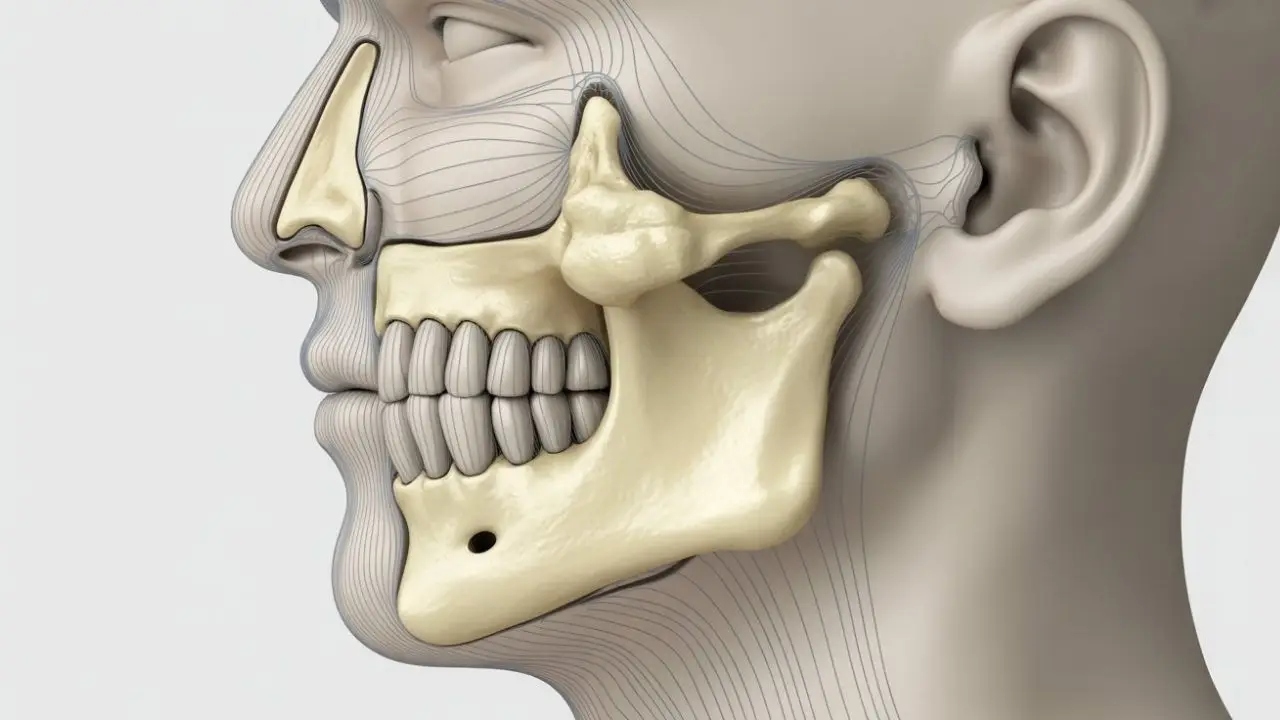
Three-dimensional imaging allows detailed visualization of the jaw structures. 3D planning helps simulate surgical movements and predict soft tissue changes. This technology supports precise customization of the treatment approach for each individual.
General Guidelines Before the Procedure
Patients may receive instructions regarding diet, medications, and lifestyle adjustments in the weeks leading up to surgery. Orthodontic treatment often precedes the operation to align teeth properly. Coordination between the orthodontist and surgeon remains essential throughout jaw surgery prep.
| Preparation Aspect | General Description |
|---|---|
| Medical Assessment | Blood tests and health screening can be performed to evaluate fitness for surgery. |
| Imaging and 3D Planning | Advanced scans support accurate surgical simulation and movement planning. |
| Orthodontic Phase | Braces or aligners may be used beforehand to optimize tooth positioning. |
| Lifestyle Adjustments | Smoking cessation and medication review can be recommended by the care team. |
Potential Considerations and Risks
Like any surgical intervention, orthognathic surgery carries certain risks such as swelling, nerve sensitivity, or bite changes. Individual healing responses vary, and outcomes depend on many personal factors. Open discussion with the surgical team helps clarify these points.
Frequently Asked Questions
How long does pre-surgical preparation for orthognathic surgery usually take?
The timeline varies but often spans several months, including orthodontic work and imaging studies. Exact duration depends on individual dental conditions.
Is 3D planning always used in jaw correction surgery?
Many modern approaches incorporate 3D planning to enhance precision, though the final decision rests with the treating specialists after reviewing all data.
What tests are commonly included in surgical preparation?
Typical assessments involve dental models, CT scans, blood work, and sometimes airway evaluations. These steps help determine overall readiness.
Can orthognathic surgery proceed without prior orthodontic treatment?
In most cases, orthodontic preparation is considered necessary to achieve proper alignment before and after surgery. Suitability is assessed individually.
Are there lifestyle changes recommended during jaw surgery prep?
Patients may be advised to avoid smoking, adjust certain medications, and follow nutritional guidance. Specific recommendations come from the healthcare providers involved.
Does everyone qualify for orthognathic surgery after initial evaluation?
Not every candidate proceeds directly to surgery. Factors such as bone quality, medical history, and treatment goals influence final decisions made after thorough review.
Conclusion
Pre-surgical preparation for orthognathic surgery involves multiple coordinated steps that support informed decision-making. Each patient’s situation differs, underscoring the need for personalized assessment by qualified professionals. Understanding the general process helps reduce uncertainty while emphasizing that final plans require direct clinical evaluation.
Expert Information
This content has been prepared for general informational purposes in the field of oral, dental, and maxillofacial surgery. Prof. Dr. Celal Çandırlı’s more than 20 years of professional experience and training at England’s NHS Poole Hospital and Newcastle Freeman Hospital contribute to presenting the topic within a scientific and clinical framework.
This content is for general informational purposes only and does not replace diagnosis or treatment. For concerns regarding oral, dental, or jaw health, consult your dentist or a qualified healthcare professional.




