Titanium vs PEEK Facial Implants: Material Comparison
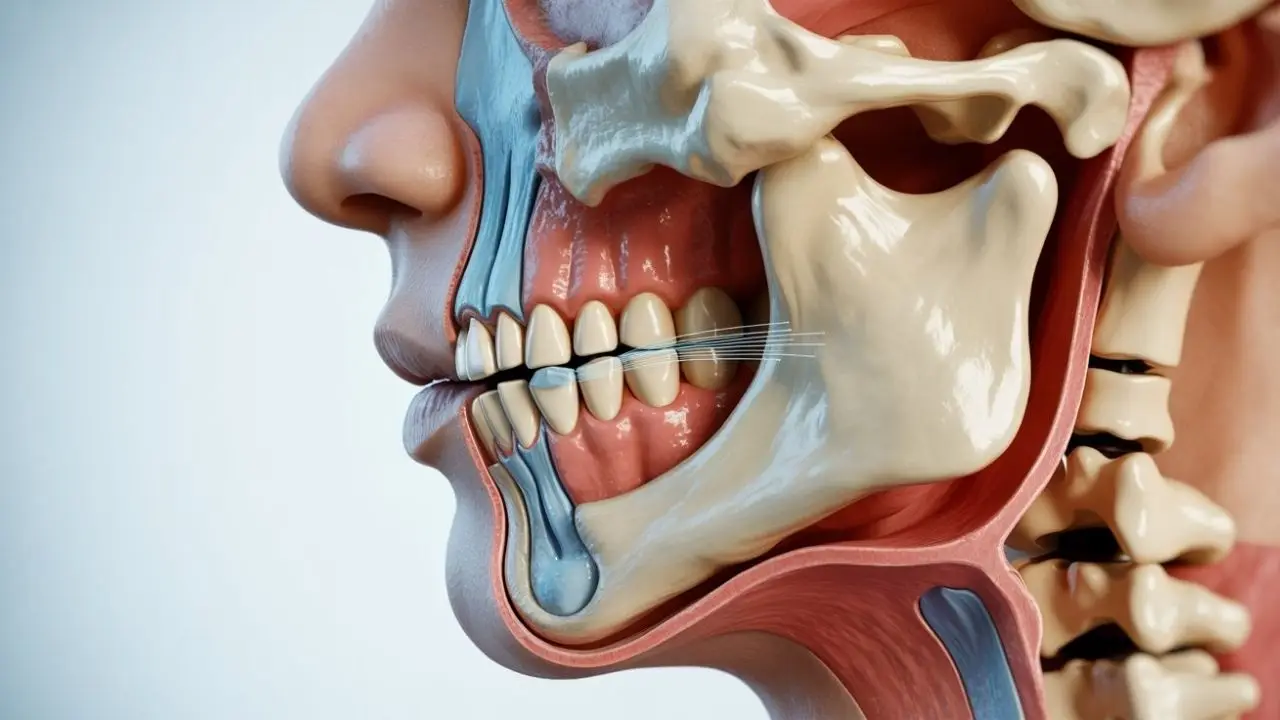
Titanium implant and peek implant options represent two widely discussed facial implant materials in reconstructive procedures. These materials can support facial structure restoration when bone or soft tissue loss occurs due to trauma, congenital conditions or tumor resection. The following sections provide general information on their characteristics, potential uses and key differences.
Facial reconstruction often requires materials that integrate with existing bone while maintaining shape and stability over time. Both titanium and PEEK can be considered depending on individual anatomy and clinical findings. Personal evaluation with imaging remains essential before any decision.
What Is a Titanium Implant?
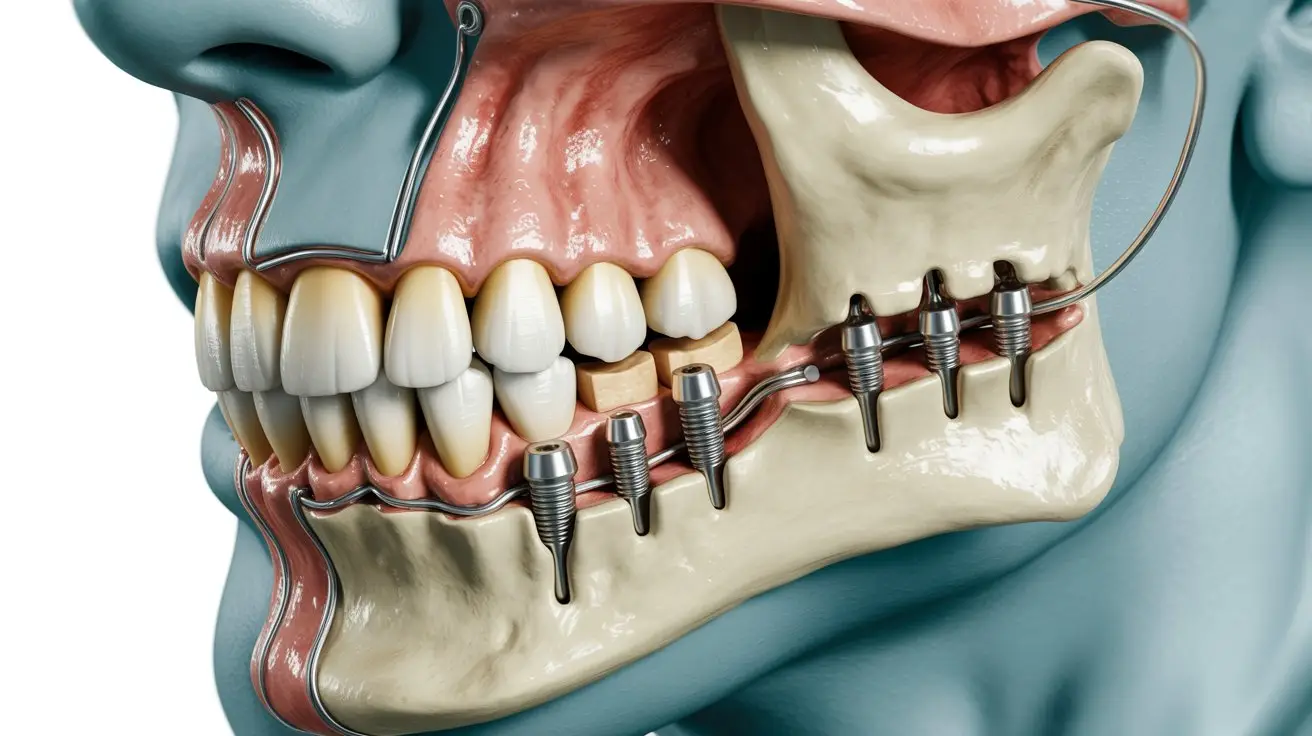
A titanium implant is a metallic device used in facial reconstruction to replace missing bone or provide structural support. Titanium offers high strength, biocompatibility and the ability to osseointegrate with surrounding bone. It has been employed in maxillofacial applications for decades.
Surgeons may select titanium when rigid fixation and long-term mechanical stability are priorities. The material resists corrosion in bodily fluids and can be shaped or customized during planning.
What Is a PEEK Implant?
A peek implant is a high-performance polymer device used for facial contouring and reconstruction. PEEK provides a modulus of elasticity closer to natural bone than metals, which may reduce stress shielding. It is radiolucent, allowing clearer postoperative imaging.
PEEK can be milled or 3D-printed to patient-specific designs. Its lightweight nature and lack of thermal conductivity are sometimes noted as practical advantages in certain facial regions.
Key Differences in Facial Implant Materials
| Feature | Titanium Implant | PEEK Implant |
|---|---|---|
| Strength | High mechanical strength | Moderate strength, bone-like stiffness |
| Imaging | May cause artifacts on CT/MRI | Radiolucent, clearer scans |
| Osseointegration | Strong bone integration possible | Limited direct integration |
| Weight | Heavier | Lighter |
| Customization | Requires bending or additive manufacturing | Easily 3D-printed to shape |
| Thermal conductivity | Conducts temperature changes | Low thermal conductivity |
Considerations for Reconstruction Procedures
Selection between titanium implant and peek implant depends on defect location, required mechanical load, soft tissue coverage and planned imaging follow-up. Both materials can be used in orthognathic or trauma cases, yet suitability varies. General health status and prior radiation history may also influence material choice.
Preoperative planning typically includes three-dimensional imaging and possibly virtual surgical simulation. Postoperative care focuses on infection prevention, wound healing and regular monitoring regardless of material.
Potential Limitations and Risks
- Infection risk exists with any implanted material and may require removal in rare cases.
- Titanium can produce imaging artifacts that complicate future assessments.
- PEEK may need additional fixation methods because it does not osseointegrate as readily.
- Long-term data continue to evolve for both options in maxillofacial reconstruction.
Sık Sorulan Sorular
Can titanium implant and peek implant be used interchangeably in facial reconstruction?
They cannot always be used interchangeably. Suitability depends on defect size, location, mechanical requirements and imaging needs. A detailed clinical assessment helps determine the more appropriate option.
Which material offers better long-term stability?
Both materials can provide stability when properly selected and placed. Titanium tends to osseointegrate more readily, while PEEK offers different biomechanical properties. Individual factors guide the final choice.
Does PEEK implant require special postoperative care?
Postoperative instructions focus on wound care, infection prevention and follow-up visits. Material-specific care differences are generally minimal and determined during surgical planning.
Are there imaging advantages with one material over the other?
PEEK is radiolucent and produces fewer artifacts on CT or MRI scans. Titanium may interfere with image clarity in some regions, which can be relevant for ongoing monitoring.
Who decides between titanium implant and peek implant?
The decision is made after clinical examination, imaging review and discussion of goals with the treating surgeon. No single material suits every patient or reconstruction scenario.
Can either material be removed later if needed?
Removal is possible if complications arise, though the decision involves weighing benefits and risks. Further evaluation by a qualified specialist is required in such situations.
Conclusion
Titanium implant and peek implant each present distinct properties for facial reconstruction. Understanding general differences supports informed discussions with healthcare providers. Final material selection always requires individualized assessment through clinical examination and imaging.
Expert Information
This content is prepared for general informational purposes in oral, maxillofacial and facial reconstructive surgery. Prof. Dr. Celal Çandırlı’s more than 20 years of experience and training at England NHS Poole Hospital and Newcastle Freeman Hospital contribute to the scientific context of the topic.
This content is for general informational purposes only and does not replace professional medical advice, diagnosis or treatment. Consult a qualified healthcare professional for any concerns regarding facial reconstruction or implant materials.