All-on-4 vs Zygomatic Implants: Key Differences Explained
All-on-4 offers a fixed full mouth implants solution that uses four strategically placed implants to support a complete arch prosthesis. This approach can be considered in cases where moderate bone loss exists in the jaw. Patients exploring implant comparison options often want to understand how all-on-4 differs from alternatives such as the zygomatic implant.
A zygomatic implant is a longer implant anchored in the cheekbone rather than the upper jaw. It may be evaluated when severe bone loss prevents standard implant placement. Both methods aim to restore function for individuals with significant tooth loss, yet they follow different surgical principles.
What Is the All-on-4 Technique?
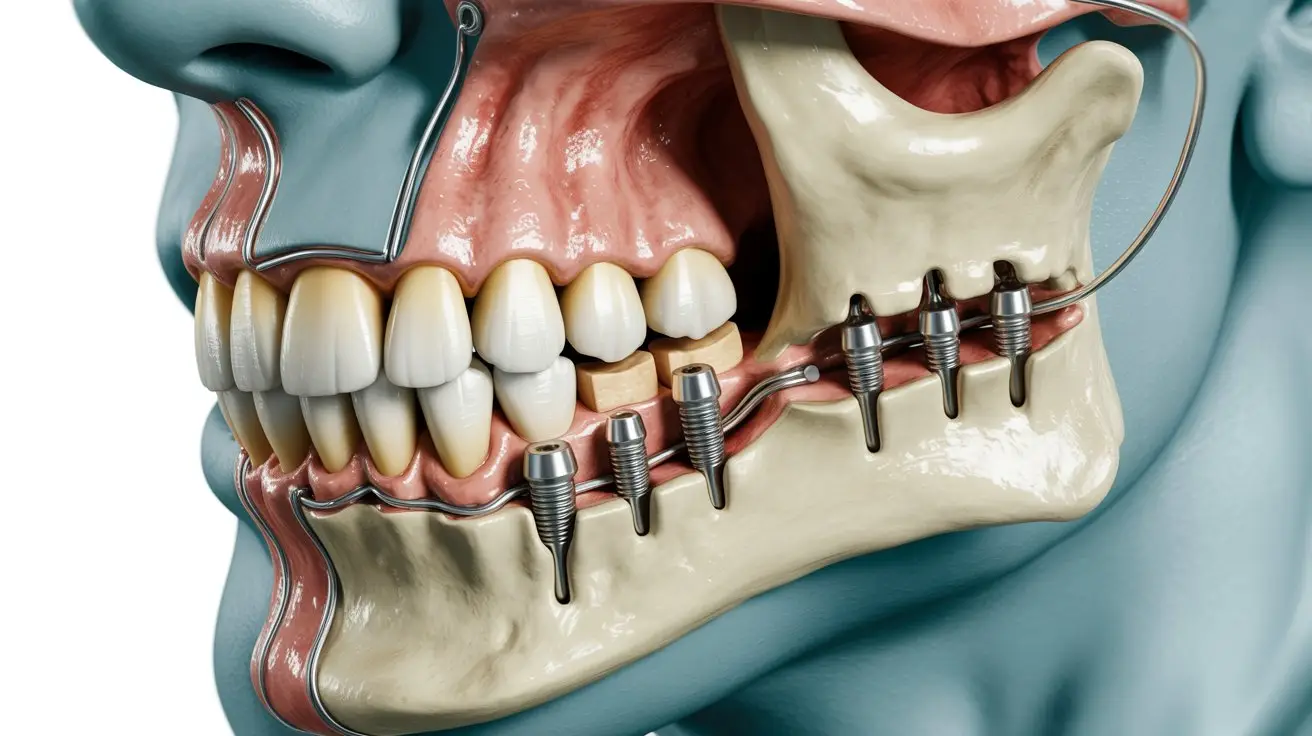
The all-on-4 method involves placing two straight and two angled implants in the jaw. These implants support a full arch bridge on the same day in many situations. The technique reduces the need for extensive bone grafting in patients with moderate bone loss.
- Typically performed under local anesthesia or sedation.
- Requires sufficient bone volume in the front of the jaw.
- Healing time varies but often allows immediate loading of the prosthesis.
What Is a Zygomatic Implant?
A zygomatic implant bypasses the resorbed upper jaw by anchoring into the zygomatic bone. One or two such implants per side can be combined with regular implants when partial bone remains. This option is generally reserved for advanced bone loss cases where all-on-4 alone may not provide enough support.
Implant Comparison: Main Differences
| Aspect | All-on-4 | Zygomatic Implant |
|---|---|---|
| Bone Requirement | Moderate bone in the anterior jaw | Severe upper jaw bone loss acceptable |
| Surgical Site | Upper or lower jawbone only | Cheekbone (zygoma) involvement |
| Procedure Complexity | Usually less invasive | More advanced planning required |
| Healing Considerations | Immediate loading often possible | Longer integration period may apply |
Who Might Be Evaluated for Each Option?
Individuals with moderate bone loss and good overall health may be suitable for all-on-4. Those with advanced maxillary atrophy often require a zygomatic implant assessment. General health status, sinus anatomy, and remaining bone volume all influence the final decision.
General Process and Aftercare Points
Both procedures begin with clinical examination and three-dimensional imaging. After placement, patients receive specific instructions on diet, oral hygiene, and follow-up visits. Swelling and discomfort are common initially and usually managed with standard medications.
Possible Considerations and Limitations
Every surgical approach carries risks such as infection, implant failure, or sinus complications. Outcomes depend on individual anatomy and healing capacity. No single method guarantees success for every patient.
Sık Sorulan Sorular
Can all-on-4 work with severe bone loss?
All-on-4 may not be sufficient when bone volume is extremely limited. A detailed scan helps determine whether additional techniques or a zygomatic implant would be more appropriate.
How long does recovery take after zygomatic implant surgery?
Initial healing usually spans several weeks, with full integration requiring several months. Follow-up appointments monitor progress and guide prosthetic loading.
Is bone grafting always avoided with these methods?
All-on-4 often reduces grafting needs, while zygomatic implants frequently eliminate it entirely in the upper jaw. Individual bone quality still dictates the exact plan.
Which option lasts longer?
Longevity depends on oral hygiene, bite forces, and regular professional care rather than the implant type alone. Both can function for many years with proper maintenance.
Are these procedures painful?
Discomfort levels vary but are typically managed with prescribed or over-the-counter pain relief. Most patients report tolerable symptoms during the first week.
Does insurance cover full mouth implants?
Coverage differs by policy and country. Patients should verify benefits directly with their provider before proceeding.
Conclusion
All-on-4 and zygomatic implant techniques represent two distinct pathways for restoring full mouth implants in the presence of bone loss. The most suitable choice emerges only after thorough clinical and radiographic evaluation by a qualified professional. Patients are encouraged to discuss personal circumstances with their dentist to explore available options.
Uzman Bilgisi
This content is prepared for general informational purposes in the field of oral, dental and maxillofacial surgery. Prof. Dr. Celal Çandırlı’s more than 20 years of professional experience and training at England NHS Poole Hospital and Newcastle Freeman Hospital contribute to the scientific and clinical framing of the topic.
This content is for general informational purposes only and does not replace diagnosis or treatment. Please consult your dentist or relevant specialist healthcare professional for any oral, dental or jaw health concerns.