How to Apply Chin Implant in 6 Steps, the answer of this question helps patients clearly see what happens before, during, and after surgery — from consultation to final healing. Chin implant surgery is a carefully planned procedure designed to strengthen the profile, improve jawline definition, and restore facial balance in a natural-looking way. When performed by an experienced maxillofacial surgeon, each step is guided by precision, safety, and aesthetics, ensuring that the implant integrates harmoniously with the existing bone structure. Below, you’ll find a simple, patient-friendly breakdown of the entire process so you know exactly what to expect on your treatment journey.
A well-defined chin plays a powerful role in shaping the balance and harmony of the face. When the chin is weak, recessed, or lacking projection, the profile can appear unbalanced — sometimes making the nose or neck look more prominent than they really are. Chin implant surgery is a proven, long-term solution that gently enhances the structure of the lower face. In this guide, we explain how to apply a chin implant in 6 steps, helping you understand what happens before, during, and after surgery so you can feel confident and prepared.
At Prof. Dr. Celal Çandırlı’s clinic, chin implant procedures are planned with precision, safety, and aesthetics in mind. Every face is unique — so each treatment is carefully personalized to achieve natural, harmonious results.
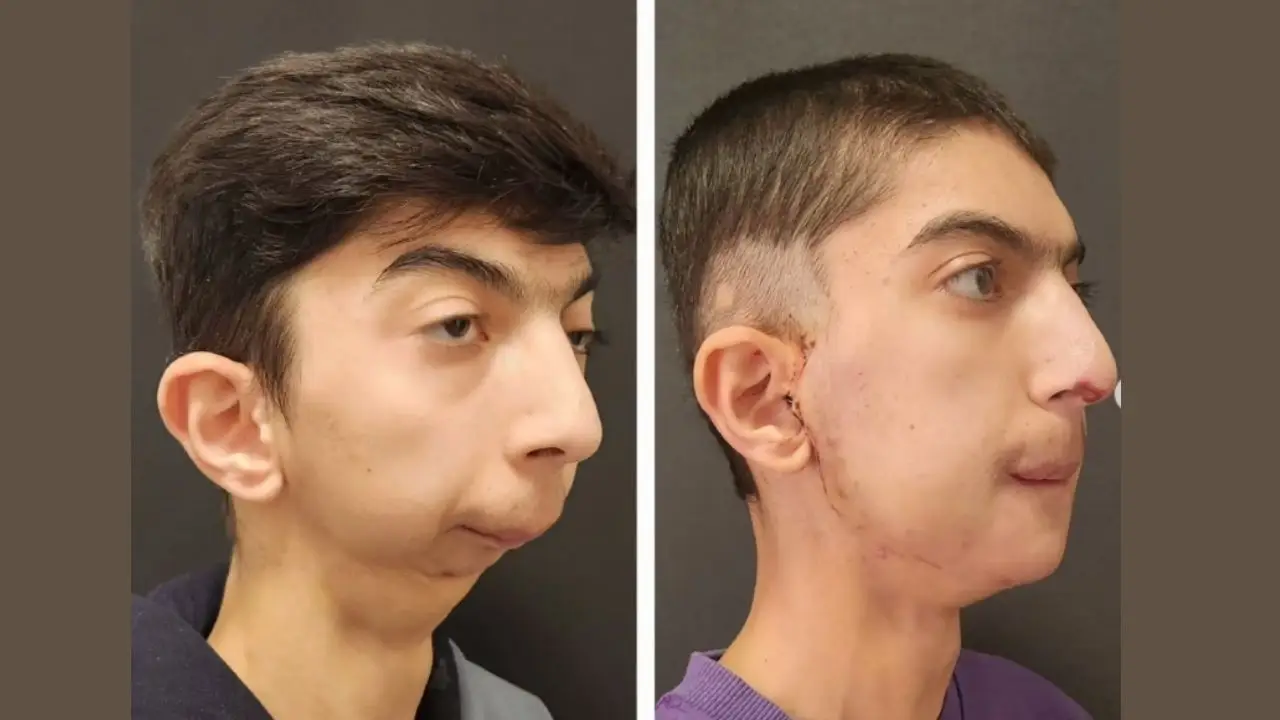
What Is a Chin Implant?
A chin implant is a biocompatible medical device placed over the chin bone to improve projection, contour, and definition. Unlike fillers, which temporarily add volume to soft tissue, chin implants reshape the facial structure at the bone level — creating balanced, long-lasting results. The implant material is specially designed to feel natural and move with your facial expressions.
This surgery is suitable for people who have:
- A weak or recessed chin
- Lack of jawline definition
- Disproportion between chin and other facial features
- Facial asymmetry affecting the chin
Now let’s walk through the process step by step.
How to Apply Chin Implant in 6 Steps
Not everyone seeking chin enhancement is automatically the right match for surgery. Understanding who is a good candidate helps ensure that the results are safe, natural, and long-lasting. Chin implant surgery is ideally suited for individuals whose concerns are structural rather than purely related to soft-tissue aging. These are patients who want to improve facial harmony by strengthening the chin and balancing the profile — not dramatically changing their identity. During consultation, your surgeon will carefully evaluate your health, anatomy, goals, and expectations to determine whether a chin implant is the right solution for you.
Step 1 — Consultation and Facial Assessment
The journey begins with a comprehensive consultation. During this stage, your surgeon evaluates your facial proportions from every angle — front view, profile, and even ¾-view. Your bite alignment, chin position, skin quality, and soft-tissue support are carefully examined. Digital imaging and profile simulations are often used to help visualize how different chin projections will look on your face.
This step is also your opportunity to openly discuss your concerns and expectations. A successful chin implant procedure is based on realistic goals and clear communication. Your surgeon will recommend the ideal implant size and shape based on your anatomy — never a one-size-fits-all approach.
Step 2 — Pre-Surgery Planning and Preparation
Once you and your surgeon agree on the treatment plan, preparation begins. You may be asked to stop smoking, avoid alcohol, pause blood-thinning medications (under medical guidance), and follow a healthy routine to support healing. Pre-operative tests may also be completed to ensure you are medically fit for surgery.
At this stage, detailed planning includes:
- Selecting implant size and shape
- Deciding the best incision approach (inside the mouth or under the chin)
- Reviewing anesthesia options
- Explaining aftercare and recovery expectations
Good planning is the foundation of safe and aesthetic results — and one of the reasons experienced surgical care makes such a difference.
Step 3 — Anesthesia and Surgical Preparation
On the day of surgery, you will be prepared in a sterile operating environment. Chin implant surgery is typically performed under general anesthesia or sedation, meaning you remain comfortable and feel no pain during the procedure.
The skin is carefully disinfected to minimize infection risk, and surgical markings are drawn to guide precise implant positioning. Every detail matters — millimeters can change the balance of the face — which is why this stage is handled with careful attention.
Step 4 — Creating the Pocket for the Chin Implant
To place the implant, the surgeon makes a small incision:
- Either inside the mouth (no visible scar)
- Or under the chin in a natural crease (a very small scar that fades over time)
Through this incision, a “pocket” is gently created over the chin bone. This pocket must be perfectly positioned — centered, symmetrical, and aligned — so that the implant sits securely without movement. The implant is then placed against the bone, shaping the lower face and improving projection.
In some cases, the implant may be fixed with sutures or small anchors to further stabilize it. The incision is carefully closed afterward.
Step 5 — Securing the Implant and Completing the Procedure
Once the implant is in position, your surgeon confirms alignment from multiple angles. This ensures the chin is balanced with the rest of your facial features. The incision is then closed using fine sutures to support quick and aesthetic healing.
A light compression bandage may be applied to help minimize swelling and stabilize the implant during the initial healing phase. The entire procedure typically takes about 45–90 minutes — depending on individual anatomy and whether other procedures are being performed at the same time.
Step 6 — Recovery, Healing, and Final Results
Recovery is usually straightforward. Some swelling, tightness, or mild discomfort is expected — especially during the first few days. Pain is typically minimal and easily controlled with prescribed medication. Most patients return to normal daily routines within 5–7 days and resume full activities in 2–3 weeks.
A general healing timeline looks like this:
| Recovery Stage | What to Expect |
|---|---|
| Days 1–3 | Swelling and tightness are most noticeable. |
| Days 4–7 | Swelling begins to reduce and comfort gradually improves. |
| Week 2 | Jaw and chin movement feel more natural. |
| Weeks 4–6 | The new chin shape becomes more stable. |
| 3 Months | Final results are typically fully visible. |
Follow-up appointments ensure the implant remains stable and healing progresses safely.
Benefits of Chin Implant Surgery
Benefits of chin implant surgery extend far beyond simple aesthetic enhancement. By strengthening the lower face and improving chin projection, this procedure helps create a more balanced facial profile, enhances jawline definition, and restores overall facial harmony. Many patients also experience a significant boost in self-confidence, as their appearance begins to better reflect how they feel about themselves. When performed by an experienced maxillofacial surgeon, chin implant surgery delivers natural-looking, long-term results that integrate smoothly with your own bone structure — offering both visual improvement and lasting satisfaction.
Chin implant surgery offers both aesthetic and psychological benefits. These include:
- Improved profile balance
- A stronger, more defined chin
- Enhanced jawline contour
- A more proportional facial structure
- Natural-looking, permanent results
Patients often report increased self-confidence — especially in photos and professional or social situations.
Who Is a Good Candidate?
Not everyone seeking chin enhancement is automatically the right match for surgery. Understanding who is a good candidate helps ensure that the results are safe, natural, and long-lasting. Chin implant surgery is ideally suited for individuals whose concerns are structural rather than purely related to soft-tissue aging. These are patients who want to improve facial harmony by strengthening the chin and balancing the profile — not dramatically changing their identity. During consultation, your surgeon will carefully evaluate your health, anatomy, goals, and expectations to determine whether a chin implant is the right solution for you.
You may be a suitable candidate if you:
- Have a weak or recessed chin
- Desire permanent structural enhancement
- Are in good general health
- Have realistic expectations
- Have stable bone maturity
Some patients choose chin implant surgery alone, while others combine it with rhinoplasty, cheek implants, or jawline enhancement to achieve full facial balance.
Is Chin Implant Surgery Safe?
When performed by a highly qualified maxillofacial surgeon, chin implant surgery is considered safe and predictable. Risks exist with any surgery — such as infection, asymmetry, or implant shifting — but careful planning and expert technique significantly minimize these possibilities.
At Prof. Dr. Celal Çandırlı’s clinic, patient safety, sterilization, and precision surgery are always top priorities.
Chin Implant vs Fillers — Which Is Better?
While fillers offer temporary improvement, they cannot match the structural support of an implant. Fillers dissolve over time and require maintenance, while chin implants provide permanent skeletal enhancement. Patients seeking a long-lasting and predictable result often choose implant-based treatment.
Frequently Asked Questions About Chin Implant
Understanding how to apply a chin implant in 6 steps helps you feel informed and confident as you explore your treatment options. From consultation and planning to precise placement and recovery, every detail matters — and expert surgical care ensures results that look natural, balanced, and uniquely tailored to your face. If you are considering chin implant surgery, you can schedule a consultation with Prof. Dr. Celal Çandırlı to receive a personalized assessment and treatment plan based on your goals and anatomy.
How long will a chin implant last?
A chin implant is designed to be a long-term or permanent solution. Because it is placed against the bone and made from durable, biocompatible materials, it does not normally degrade or dissolve over time. As long as there are no complications and the patient’s anatomy remains stable, most chin implants can last a lifetime.
What are the cons of a chin implant?
Possible disadvantages include swelling, bruising, temporary numbness, infection risk, implant shifting, or dissatisfaction with size or shape. Like any surgery, there is also recovery time and cost to consider. Choosing an experienced maxillofacial or facial plastic surgeon greatly reduces complication risk.
What celebrities have a chin implant?
It is not appropriate to claim or assume that specific celebrities have had chin implants unless they have publicly confirmed it themselves. Many well-known people choose cosmetic surgery, but personal medical decisions are private. What matters most is that chin implant surgery can safely and naturally enhance facial harmony when performed by a qualified specialist.
Is getting a chin implant worth it?
Many patients feel a chin implant is worth it because it permanently improves balance, profile, and jawline definition. Satisfaction rates are high when expectations are realistic and surgery is performed by an expert. It is especially beneficial for people with a recessed chin where fillers cannot provide enough structure.
What are the top 3 riskiest surgeries?
In general medicine, the riskiest surgeries are major operations such as heart bypass surgery, organ transplant, and complex brain or trauma surgery. Cosmetic procedures like chin implants are considered lower risk when performed correctly — but they still require proper surgical planning and expertise.
What age is best for a chin lift?
There is no single “best” age. A chin implant or chin lift is usually considered after facial bone growth is complete — typically after age 18. Younger adults often seek structural enhancement, while older patients may combine chin surgery with skin-tightening procedures to address aging changes.
Which country is best for chin implants?
The best country is the one where you can find a highly trained, board-certified facial surgeon with strong experience in implant surgery. Many patients travel to countries with advanced maxillofacial centers and internationally recognized surgeons — what matters most is safety, expertise, and proper follow-up care.
How expensive is a chin implant?
The cost varies widely depending on the surgeon’s expertise, clinic standards, implant type, anesthesia, and whether other procedures are done at the same time. In many countries, chin implant surgery typically ranges from moderate to premium pricing compared to other cosmetic surgeries. A consultation is the best way to receive an accurate quote.
Can people tell you have a chin implant by touching it?
In most cases, no. When placed correctly against the bone, a chin implant should feel like a natural extension of the chin. It should not shift or feel artificial to touch. Only in rare cases — such as poorly positioned or oversized implants — might the edges be slightly noticeable.