You may notice that your face appears vertically longer than average, you struggle to keep your lips closed while resting, or you show an excessive amount of gum tissue when smiling. Known in medical literature as “Long Face Syndrome,” this condition is rarely a soft tissue issue; rather, it is a skeletal anomaly caused by the excessive vertical growth of the jawbones. While camouflage procedures like dermal fillers fail to alter the skeletal length, Orthognathic Surgery (Corrective Jaw Surgery) permanently shortens the lower and mid-face to achieve the ideal golden ratio.
Causes and Symptoms of Long Face Syndrome
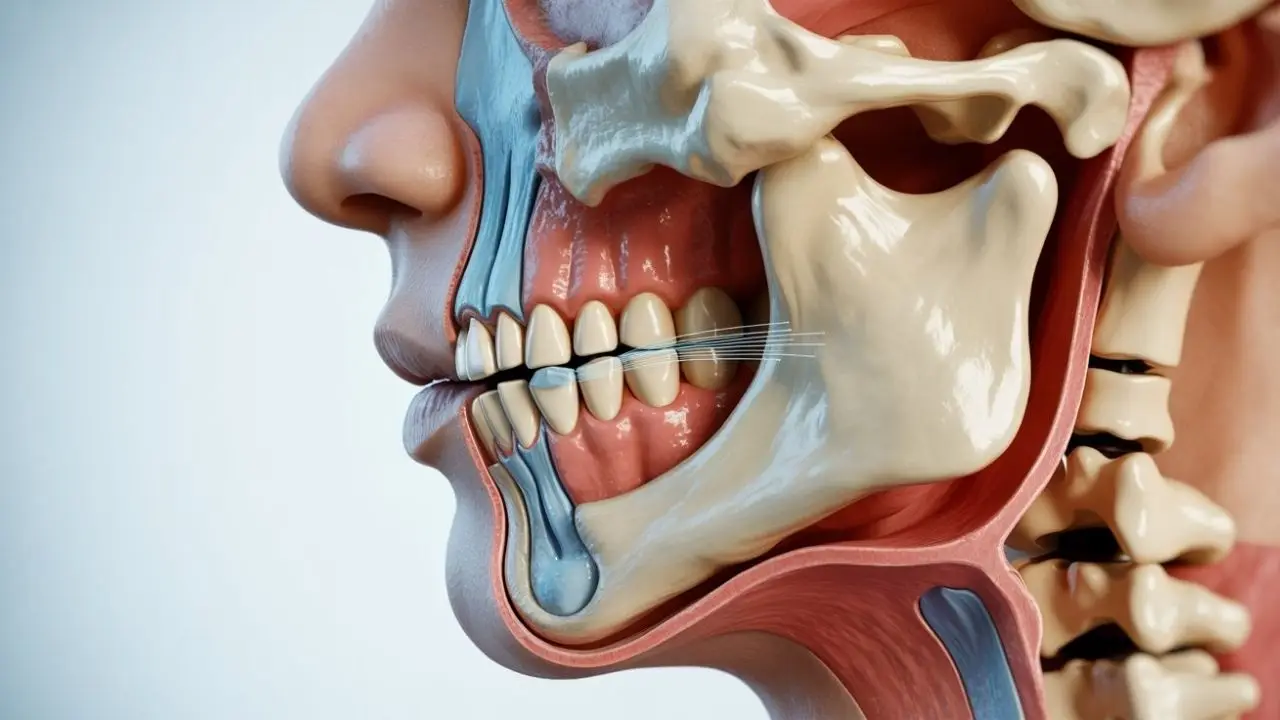
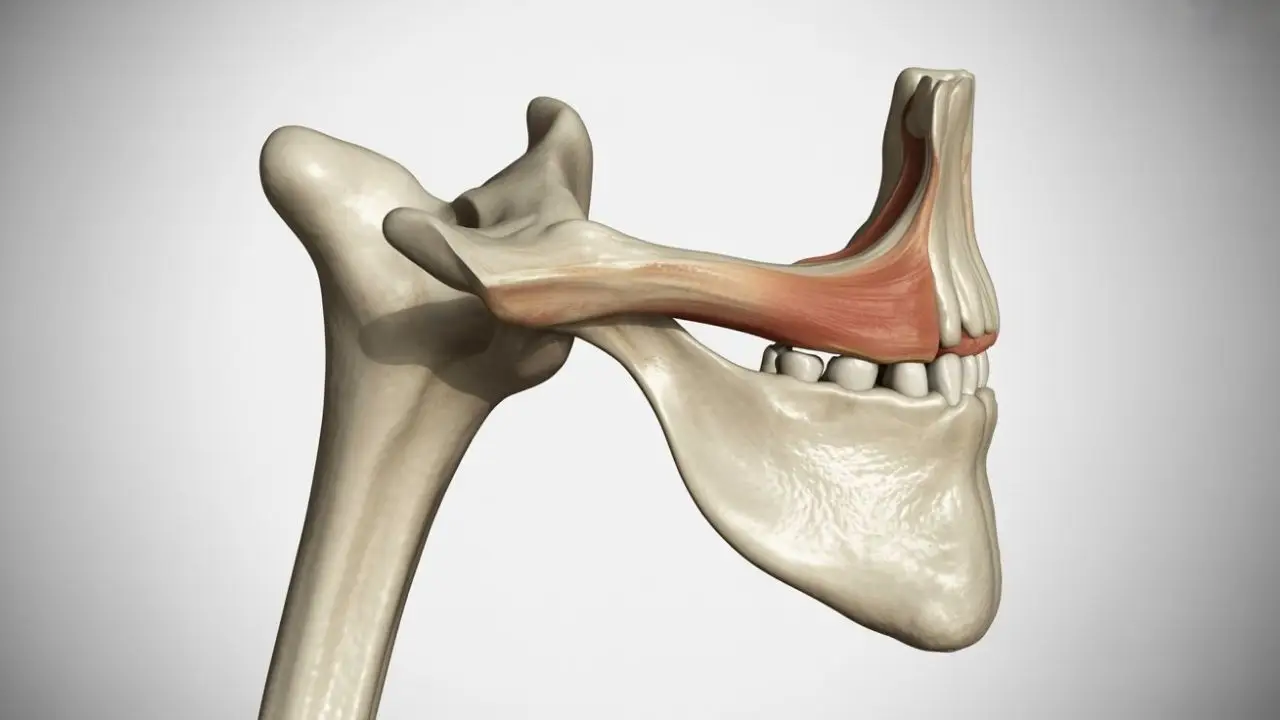
A skeletal long face appearance typically occurs when the upper jawbone (maxilla) grows excessively in a downward vertical direction during the developmental years. In this condition, termed Vertical Maxillary Excess (VME), as the upper jaw elongates downwards, the lower jaw is forced to rotate backward and downward (clockwise rotation). This specific growth pattern leads to a severe elongation of the lower third of the face.
Individuals with this skeletal anatomy often exhibit the following characteristic symptoms:
Lip Incompetence: The upper and lower lips do not meet naturally while resting. Bringing the lips together requires straining the chin muscle (mentalis).
Gummy Smile: Due to the vertically elongated bone, an excessive amount of gum tissue is exposed during a natural smile.
Narrow Facial Profile & Weak Chin: As the face elongates vertically, it often narrows horizontally. The backward rotation of the lower jaw leads to a weak or undefined jawline.
Adenoid Face Appearance: Chronic mouth breathing and enlarged adenoids during childhood are among the primary functional triggers for this type of skeletal development.
The Intersection of Aesthetic and Functional Issues
Long face syndrome creates more than just an aesthetic disproportion. The vertical elongation and backward rotation of the jawbones disrupt the natural alignment of the upper and lower teeth, often resulting in an Anterior Open Bite.
The inability to bite and tear food properly forces the chewing pressure entirely onto the back teeth, causing severe damage to the Temporomandibular Joint (TMJ). Furthermore, chronic mouth breathing paves the way for dry mouth, receding gums, poor sleep quality, and even Obstructive Sleep Apnea (OSA).
Why Camouflage Treatments (Fillers/Braces) May Fall Short
Medical aesthetic procedures like cheek or lip fillers are frequently chosen to mask vertical facial length. While these applications add volume, they cannot shorten the vertical length of the bone (the skeleton). In fact, adding excess volume to a long skeleton can make the face appear heavier and disproportionately large.
Similarly, it is impossible to shorten the skeleton using only dental braces. Orthodontics is excellent for aligning teeth, but when dealing with vertical maxillary excess, the root of the problem is the bone itself. Permanent structural transformation can only be achieved through surgical intervention.
The Definitive Solution: Orthognathic Surgery
The scientifically proven method to shorten an elongated facial skeleton and restore healthy function is Orthognathic Surgery (Double Jaw Surgery).
Using 3D Virtual Surgical Planning (VSP) technology, Prof. Dr. Celal Çandırlı digitally calculates the exact millimeter movements required for the upper jaw to achieve the facial golden ratio.
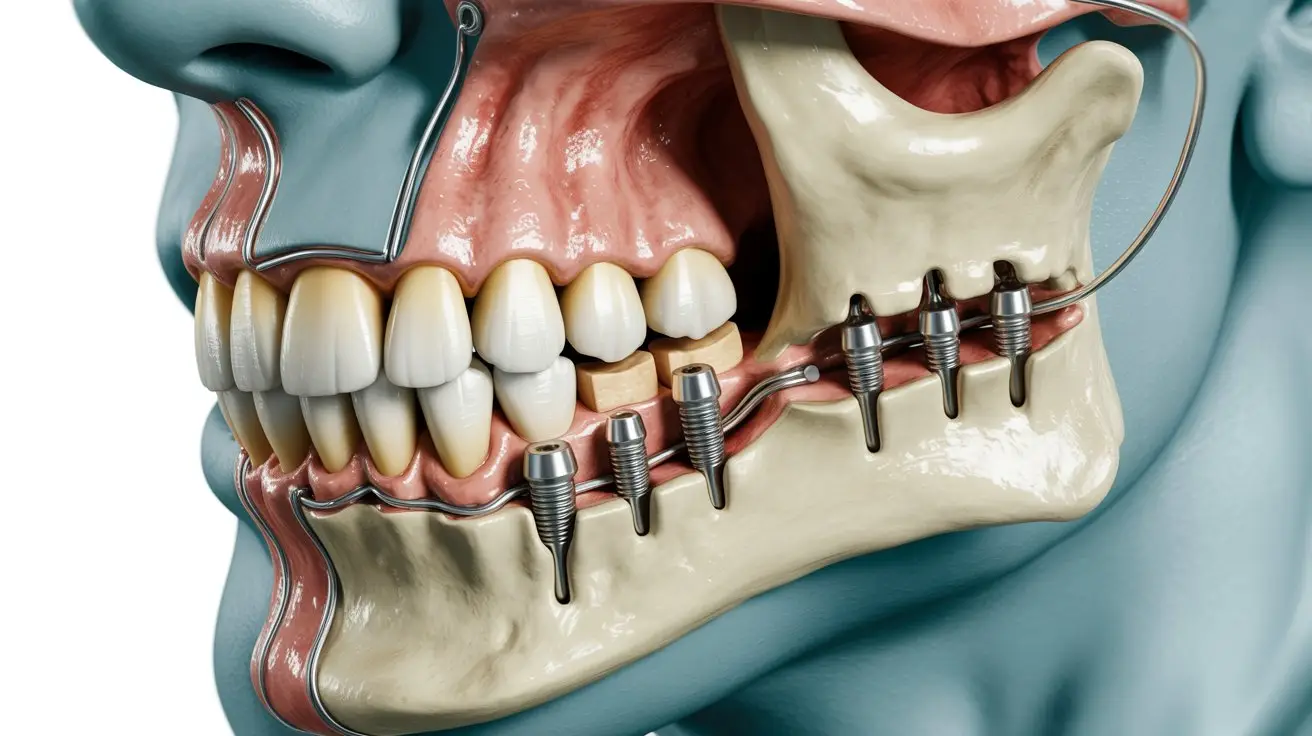
During the procedure, the excessively elongated upper jaw is freed (via Le Fort I osteotomy) and repositioned upwards to its ideal height (impaction). As the upper jaw is lifted, the lower jaw naturally auto-rotates upward and forward, anatomically shortening the lower face. Because all bone movements are performed intraorally (inside the mouth), there are no visible external scars. Post-surgery, the lips close effortlessly, the gummy smile disappears, and the face achieves a natural, balanced harmony.
Comparison of Treatment Methods
| Feature | Medical Camouflage (Fillers, etc.) | Orthognathic Surgery |
| Vertical Facial Length | Cannot shorten bone; only adds visual width. | Anatomically shortens the face by impacting the upper jaw. |
| Lip Competence | Trying to close the gap with lip fillers looks unnatural. | Shortening the bone allows the lips to close naturally and effortlessly. |
| Dental Bite & TMJ | Has no effect on skeletal bite issues or joint stress. | Creates a flawless bite, relieving stress on the TMJ. |
| Longevity of Results | Dissolves within 8-12 months. | Skeletal restoration provides lifelong, permanent results. |
Frequently Asked Questions (FAQ)
Can Long Face Syndrome be fixed with orthodontics (braces) alone?
No. Braces can align crooked teeth, but they cannot shorten the skeletal vertical length of your jawbones. Corrective jaw surgery is required to fix skeletal size discrepancies. Typically, orthodontic treatment is applied before and after surgery to ensure the teeth align perfectly with the new jaw position.
Can I know in advance how much my face will be shortened?
Yes. Before the surgery, your skull is transferred into a digital environment using 3D Volumetric Tomography (CBCT). Millimetric calculations are made to virtually plan exactly how much your face will be shortened and where your chin and lip positions will end up.
Will I have visible scars after jaw surgery?
Absolutely not. All surgical interventions on the upper and lower jawbones (orthognathic surgery) are performed entirely inside the mouth (through the gums). There will be no visible surgical incisions or scars on your face, cheeks, or neck.
Will my speech or voice change after surgery?
Your vocal cords are not affected by jaw surgery; therefore, your fundamental voice tone remains the same. However, as your oral cavity (palate) volume and jaw bite achieve ideal anatomy, your airway expands. It is a highly positive and expected outcome that your speech resonance becomes clearer.
To analyze the source of your facial elongation with 3D tomography and create your personalized, permanent skeletal treatment plan, you can schedule a specialist consultation at the Prof. Dr. Celal Çandırlı clinic.