Table of Contents
- How Does the Jaw Bone Work?
- Anatomical Features of the Jaw Bones
- Key Considerations in Jaw Surgery (Orthognathic Surgery)
- Pre-Surgical Evaluation Process
- Precautions Taken During Surgery
- Post-Surgery Care and Risks
- Frequently Asked Questions
- Conclusion
Important Disclaimer: This article is for general informational purposes only. Jaw surgery (orthognathic surgery) is a complex procedure that must be planned individually for each patient. Any decision should be made only after a detailed examination by an experienced maxillofacial surgeon.
1. How Does the Jaw Bone Work?
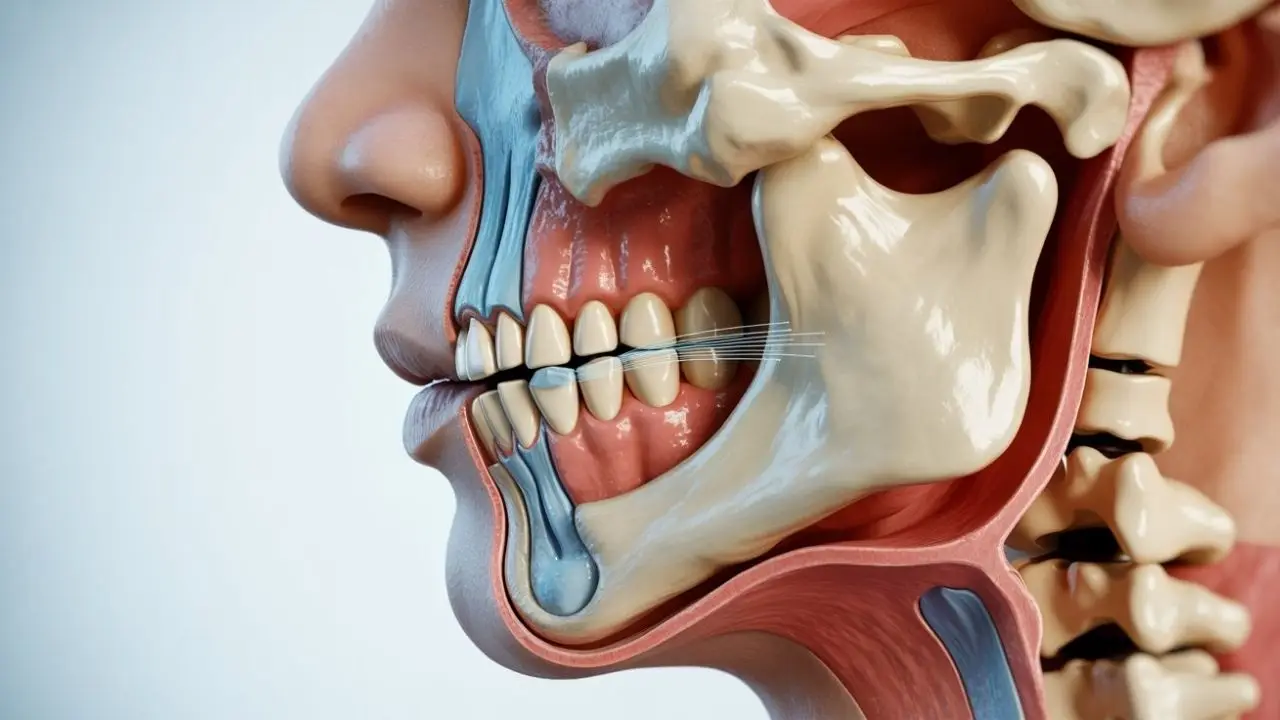
The jaw bones (mandible and maxilla) form the structural foundation of the face. They play a critical role not only in facial aesthetics but also in essential functions such as chewing, speaking, breathing, and facial expression.
The lower jaw (mandible) is a single mobile bone that moves via the temporomandibular joint (TMJ). The upper jaw (maxilla) is connected to the skull. When the harmony between these two bones is disrupted, both functional and aesthetic problems arise.
2. Anatomical Features of the Jaw Bones
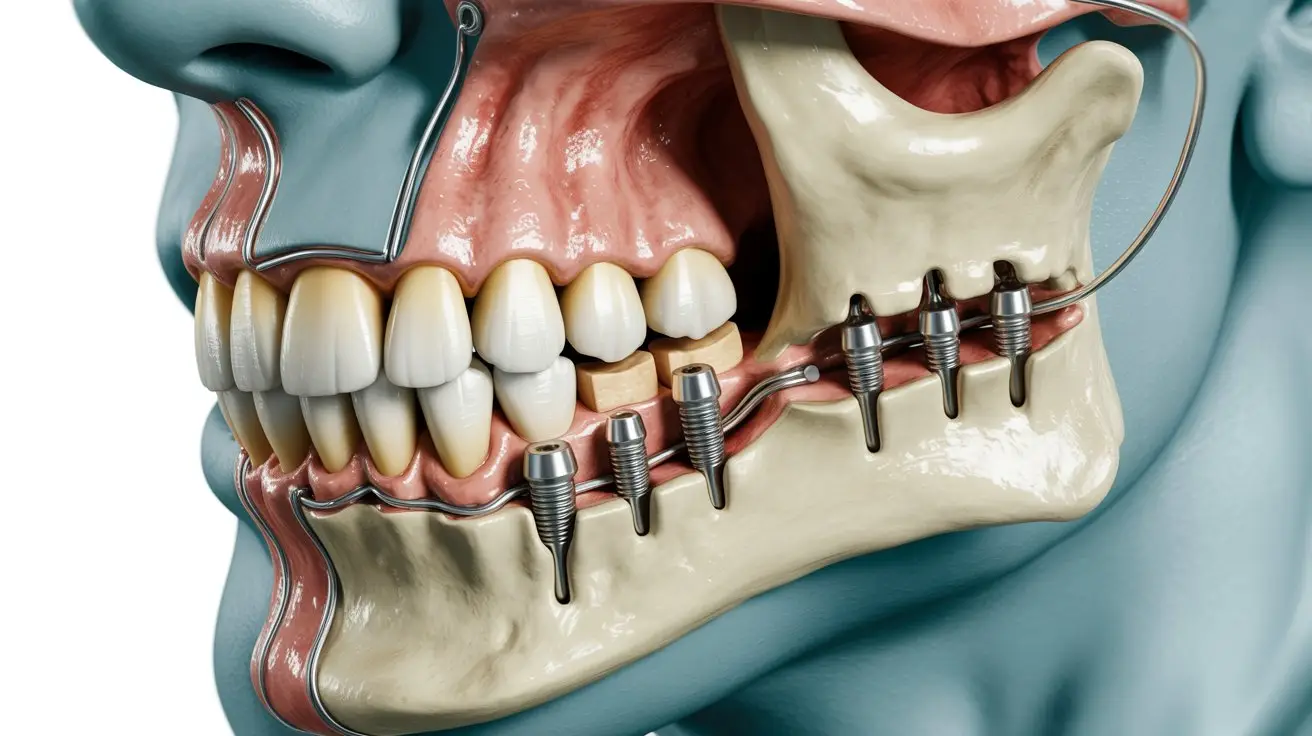
– **Mandible (Lower Jaw):** One of the strongest bones in the body. The alveolar part that holds the teeth can resorb significantly after tooth loss.
– **Maxilla (Upper Jaw):** Closely related to the sinus cavities. Bone resorption tends to progress faster here.
– **Zygomatic Bone (Cheekbone):** Very dense and strong — commonly used as an anchor for zygomatic implants.
– **Chin Area (Mental Region):** The most noticeable part from an aesthetic perspective.
The thickness, density, and quality of the jaw bone directly affect the type and success of the surgery.
3. Key Considerations in Jaw Surgery (Orthognathic Surgery)
During orthognathic surgery planning, the following factors are carefully evaluated:
- Detailed analysis with 3D CT and cephalometric radiographs
- Occlusion (bite relationship) and orthodontic status
- Soft tissue balance (lips, nose, and cheek harmony)
- Airway assessment (breathing space)
- Temporomandibular Joint (TMJ) health
- Patient’s age, bone development stage, and overall health
4. Pre-Surgical Evaluation Process
Prof. Dr. Celal Çandırlı follows a comprehensive protocol that includes:
1. Detailed clinical examination and photographic analysis
2. 3D Cone Beam Computed Tomography (CBCT)
3. Cephalometric analysis and digital surgical simulation
4. Collaborative planning with the orthodontist
5. 3D preview of expected post-surgical results for the patient
5. Precautions Taken During Surgery
– Protection of facial nerves (especially the inferior alveolar nerve)
– Precise bleeding control and sterile conditions
– Use of 3D surgical guides for high accuracy
– Careful positioning of the jaws
– Simultaneous achievement of aesthetic and functional balance
6. Post-Surgery Care and Risks
**First 2 Weeks:**
– Swelling and bruising are normal
– Soft diet is essential
– Excellent oral hygiene is required
**Possible Risks:**
– Temporary numbness
– Infection
– Delayed bone healing
– Asymmetry (rare when performed by experienced surgeons)
These risks are significantly minimized with an experienced surgeon and advanced planning.
7. Frequently Asked Questions
Will there be visible scars after jaw surgery?
Most incisions are made inside the mouth, so external scarring is usually invisible.
How long does the surgery take?
It typically lasts between 2 to 4 hours depending on the complexity.
When can I return to normal life?
Most patients return to social and work life within 3–4 weeks.
Is jaw surgery very painful?
Thanks to modern anesthesia and pain management protocols, most patients experience less pain than expected.
8. Conclusion
Understanding the structure of the jaw bone is the foundation of successful jaw surgery. With proper planning, advanced technology, and an experienced surgeon, it is possible to achieve excellent functional and aesthetic outcomes.
Prof. Dr. Celal Çandırlı, with over 20 years of clinical experience and advanced training at NHS Poole and Newcastle Freeman Hospital in the UK, is one of Turkey’s leading experts in orthognathic and jaw surgery.
If you have concerns about your jaw structure or bite, we invite you to schedule a detailed consultation.
Prof. Dr. Celal Çandırlı
Oral, Maxillofacial & Jaw Surgeon • UK NHS Trained • 20+ Years Experience • 50+ International Publications
This article is for informational purposes only. Treatment decisions should be made only after a thorough clinical examination and consultation.