Table of Contents
- What is Jaw Cancer and Why is it Important?
- Types of Jaw Cancer
- Most Common Jaw Cancer Symptoms (8 Key Signs)
- When Should You Take Symptoms Seriously?
- Diagnostic Process
- Treatment Approaches
- Risk Factors and Prevention
- Frequently Asked Questions
- Conclusion
Important Disclaimer: This article is for general informational purposes only. Jaw cancer symptoms can indicate a serious condition. If you notice any of these signs, seek immediate evaluation by a maxillofacial surgeon or oncologist. Early detection saves lives.
1. What is Jaw Cancer and Why is it Important?
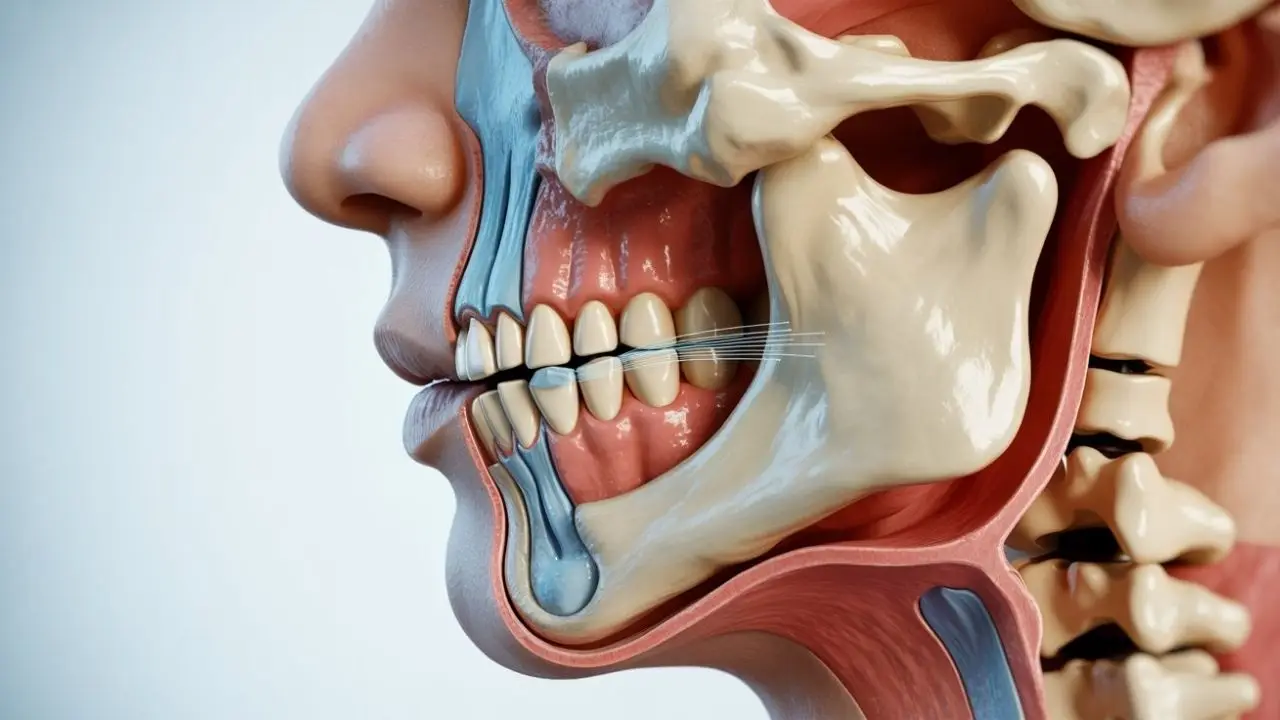
Jaw cancer refers to malignant (cancerous) tumors originating in the jawbone (mandible or maxilla) or surrounding soft tissues. The most common type is squamous cell carcinoma, often considered part of oral cavity cancers. Rarely, primary bone cancers like osteosarcoma can also affect the jaw.
When diagnosed early, treatment success rates are very high. Delays increase the risk of spread (metastasis) and make treatment more complex.
2. Types of Jaw Cancer
- Odontogenic cancers (tooth-origin, rare)
- Squamous cell carcinoma (most common, arising from oral mucosa)
- Osteosarcoma or other primary bone cancers in the jaw
3. Most Common Jaw Cancer Symptoms (8 Key Signs)
Jaw cancer symptoms often start subtly and are frequently discovered during routine dental check-ups. Contact a specialist immediately if any of these last longer than 2 weeks:
- Jaw Pain – Persistent pain, especially worsening during chewing (most common early symptom).
- Swelling in the Lower/Upper Jaw – Painful or painless swelling causing facial asymmetry.
- Lump or Mass in the Jaw – Small, hard lump or mass (in bone or soft tissue).
- Loose Teeth / Tooth Mobility – Unexplained tooth loosening, shifting, or loss.
- Oral Ulcers / Bleeding – Non-healing mouth sores (>2 weeks), gum bleeding, or foul-smelling ulcers.
- Difficulty Swallowing or Chewing – Trouble swallowing food, feeling of food stuck in throat.
- Numbness in Lower Lip / Face – Nerve-related numbness (common in lower jaw cancers).
- Neck Swelling / Enlarged Lymph Nodes – Sign of possible metastasis in neck lymph nodes.
4. When Should You Take Symptoms Seriously?
- Any symptom lasting longer than 2 weeks
- Non-healing oral ulcer
- Suspicious lump/swelling noticed during dental exam
- Combination of pain + swelling + numbness
Early detection offers over 90% success rate in treatment.
5. Diagnostic Process
- Clinical examination + panoramic X-ray
- 3D CT / Cone-Beam Computed Tomography → Differentiates fracture from tumor clearly
- Biopsy → Gold standard (definitive diagnosis via pathology)
- MR or PET-CT (to assess spread)
6. Treatment Approaches
- Surgery – Main treatment: Wide resection of tumor + neck lymph node dissection
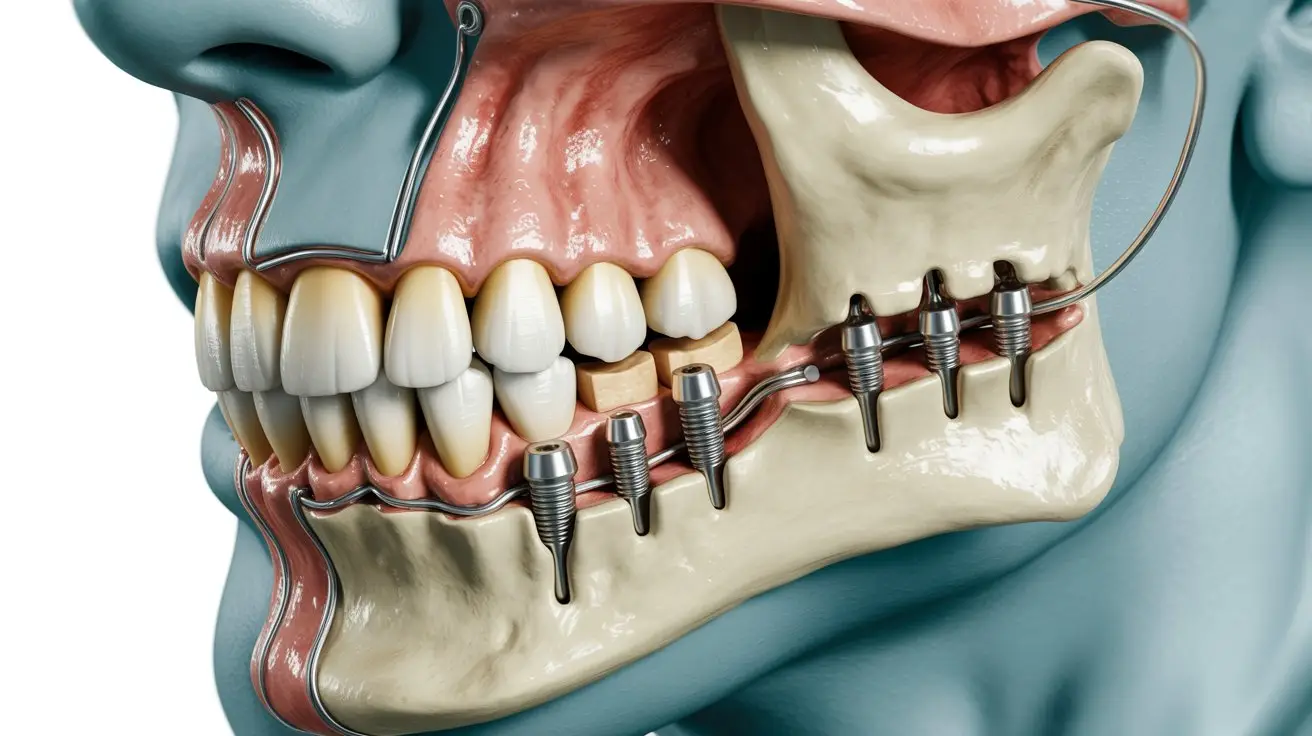
- Reconstruction – Jaw bone repair (fibula free flap, titanium plate, etc.)
- Radiotherapy / Chemotherapy – Adjuvant or in advanced stages
- Multidisciplinary team (maxillofacial surgeon, oncologist, radiation oncologist) is essential
7. Risk Factors and Prevention
- Smoking and alcohol use
- HPV infection
- Chronic irritation (poor dentures, constant cheek biting)
- Genetic predisposition
Prevention: Quit smoking, regular dental check-ups, good oral hygiene.
8. Frequently Asked Questions (FAQ)
Does jaw cancer start without pain? Yes, early stages are often painless. Swelling or loose teeth may be the first noticed signs.
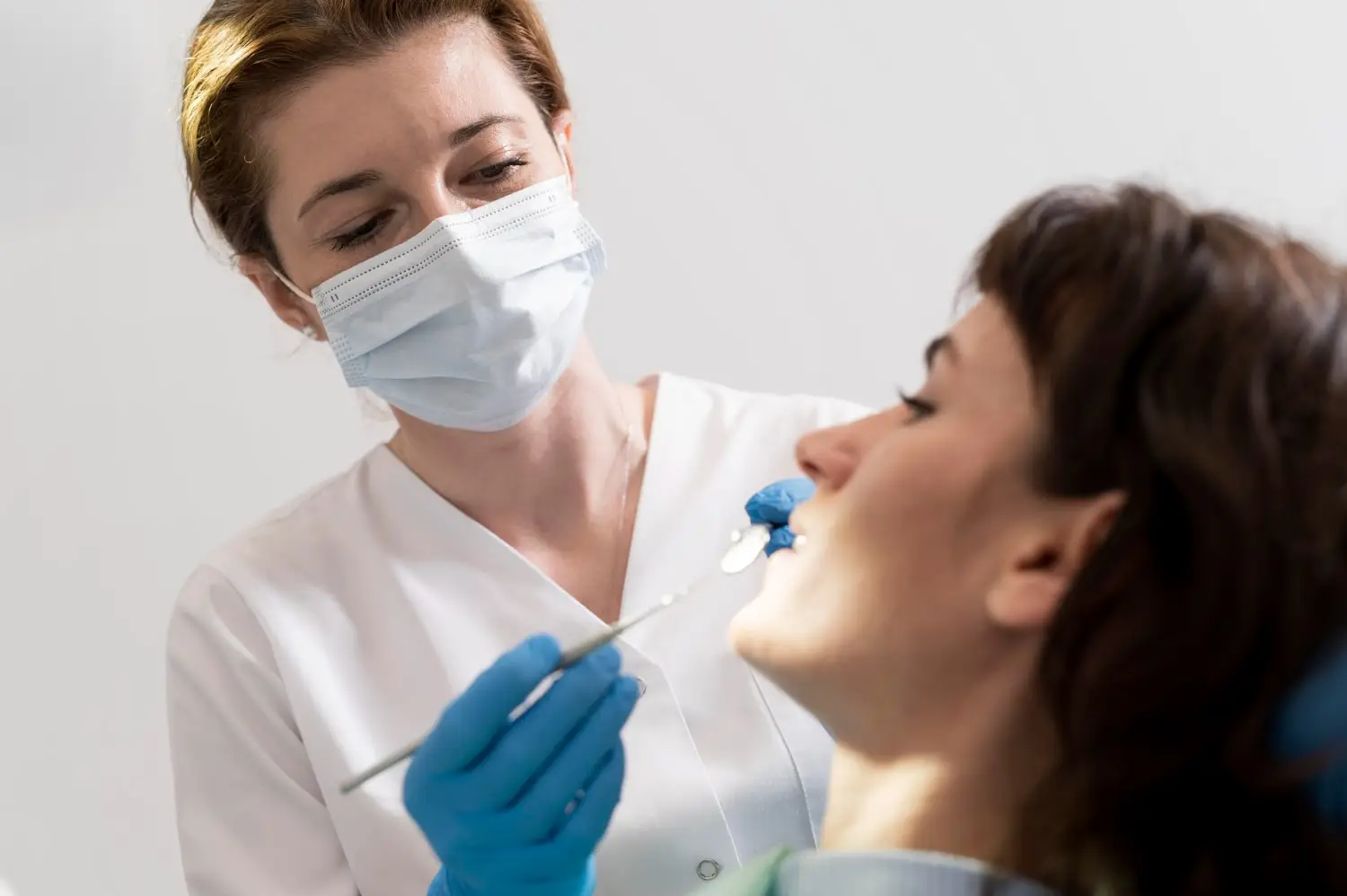
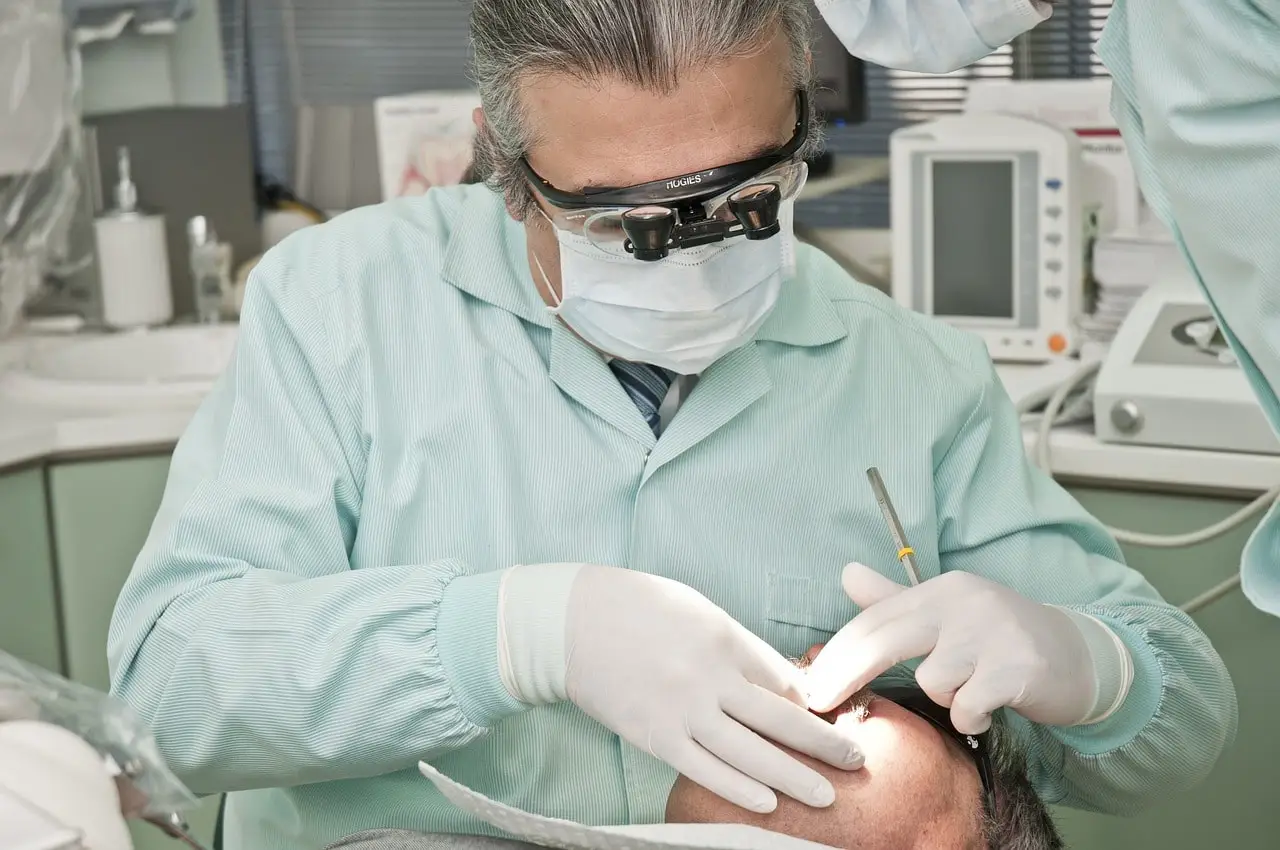
Can a dentist detect jaw cancer? Yes, routine dental exams are one of the best ways for early detection.
Does jaw cancer occur in young people? Rarely; it is much more common after age 50.
What is the cost? Varies by stage and treatment. Please contact us for detailed information.
9. Conclusion
Jaw cancer symptoms often begin subtly, but early recognition leads to highly successful treatment. If you have jaw pain, swelling, loose teeth, or non-healing sores, do not delay seeking care.
Prof. Dr. Celal Çandırlı is a specialized oral and maxillofacial surgeon with over 20 years of clinical experience and advanced training at NHS Poole Hospital and NHS Newcastle Freeman Hospital in the UK. He specializes in jaw tumors and cancers.
Please contact us for detailed information and appointments.
Prof. Dr. Celal Çandırlı Oral, Maxillofacial and Jaw Surgery Specialist
Graduate of NHS Poole & Newcastle Freeman Hospital, UK
20+ years of experience • 50+ international publications
This article is for informational purposes only. Treatment decisions should be made only after a doctor’s examination.