Lower Jaw Deviation Symptoms: What Patients Should Know
Lower jaw deviation refers to an abnormal shift of the mandible to one side, which may develop gradually or appear suddenly. This condition can affect chewing, speech, and facial symmetry in different degrees.
Many people notice the change when they see asymmetry in the mirror or experience discomfort while eating. Understanding the possible signs helps individuals decide when to consult a specialist for proper evaluation.
This article explains common symptoms, contributing factors, and general information about assessment methods without offering personal diagnosis or treatment advice.
What Is Lower Jaw Deviation?
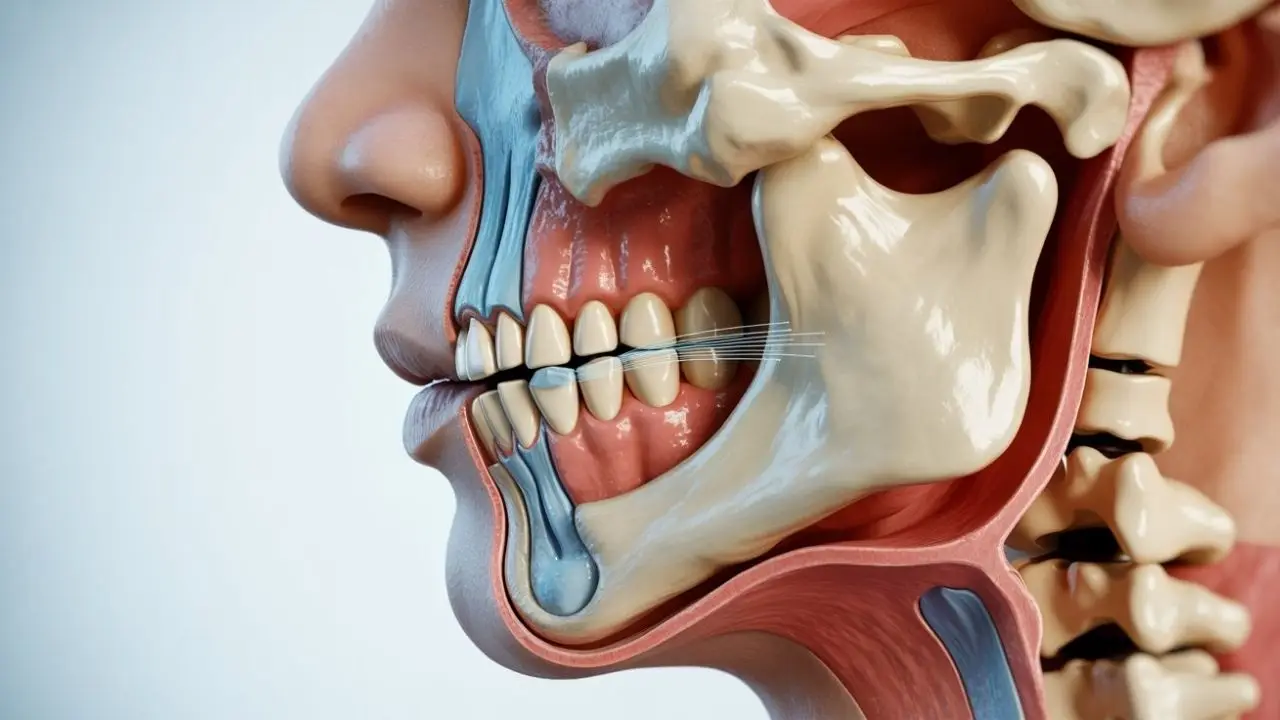
Lower jaw deviation occurs when the mandible moves away from its centered position relative to the upper jaw. It may result from muscle imbalance, joint disorders, trauma, or developmental differences.
The condition is sometimes called mandibular shift or lateral mandibular displacement. Each case varies, and only a clinical examination with imaging can clarify the underlying reason.
Common Lower Jaw Deviation Symptoms
Patients often report several noticeable signs that may appear together or separately. These include visible facial asymmetry, difficulty opening the mouth evenly, and clicking or popping sounds from the jaw joint.
Some individuals experience pain around the temporomandibular joint (jaw joint) or muscle fatigue after prolonged chewing. Headaches and ear discomfort are also mentioned in certain cases.
- One-sided facial fullness or flattening
- Uneven bite when teeth come together
- Clicking or grating noises during jaw movement
- Limited mouth opening or locking sensation
- Muscle tenderness on one side of the face or neck
Factors That May Contribute to Jaw Shift
Several elements can influence the development of lower jaw deviation. These range from congenital variations to acquired conditions such as arthritis or previous injury.
| Factor | General Description |
|---|---|
| Trauma | Fractures or impacts to the jaw may alter bone alignment. |
| Joint disorders | Temporomandibular joint issues can pull the mandible sideways. |
| Muscle imbalance | Uneven muscle activity may gradually displace the jaw. |
| Dental changes | Tooth loss or uneven wear can affect jaw position over time. |
Assessment and General Considerations
Evaluation usually begins with a detailed history and physical examination of jaw movement. Three-dimensional imaging may be recommended to observe bone and joint structures.
Because every patient’s anatomy and health background differ, suitability for any intervention can only be determined after thorough professional review. Early assessment often helps clarify whether the deviation is progressive.
Frequently Asked Questions
Can lower jaw deviation cause pain?
Yes, many people experience discomfort in the jaw muscles or joint area, especially during chewing or wide mouth opening. Pain levels vary between individuals.
Is lower jaw deviation always visible?
In mild cases the shift may not be obvious at rest but becomes noticeable when the mouth opens or during certain facial expressions.
Does lower jaw deviation affect speech?
Some patients report changes in pronunciation or difficulty with certain sounds when the mandible is significantly displaced.
Can lower jaw deviation develop suddenly?
Sudden onset is possible after trauma or acute joint inflammation, while other cases progress slowly over months or years.
Are there non-surgical approaches for lower jaw deviation?
Conservative options such as physical therapy, splints, or medication may be discussed depending on the cause. Final decisions require individual assessment.
When should someone see a specialist about lower jaw deviation symptoms?
Persistent pain, increasing asymmetry, or functional limitations are common reasons to seek evaluation. Only a qualified professional can determine the appropriate next steps.
Conclusion
Lower jaw deviation can present with various symptoms that affect daily function and appearance. Recognizing these signs allows individuals to seek timely professional advice tailored to their specific situation.
Expert Information
This content has been prepared for general informational purposes in the field of oral, dental, and maxillofacial surgery. Prof. Dr. Celal Çandırlı’s more than 20 years of clinical experience and training at England NHS Poole Hospital and Newcastle Freeman Hospital support the scientific framing of the topic.
This content is for general informational purposes only and does not replace professional medical advice, diagnosis, or treatment. Individuals experiencing jaw-related concerns should consult a qualified healthcare professional.