Maxilla Fracture: Symptoms, Causes and Diagnosis Guide
A maxilla fracture, commonly referred to as an upper jaw fracture, happens when the maxillary bone sustains damage from significant force. This type of injury often occurs alongside other facial trauma and requires careful evaluation by a specialist in oral and maxillofacial surgery.
Understanding the nature of a maxilla fracture helps patients recognize warning signs early. The condition can affect chewing, speech, and facial appearance, making timely assessment important. This article explains the main causes, typical symptoms, and general diagnostic approaches in simple terms.
What Is a Maxilla Fracture?
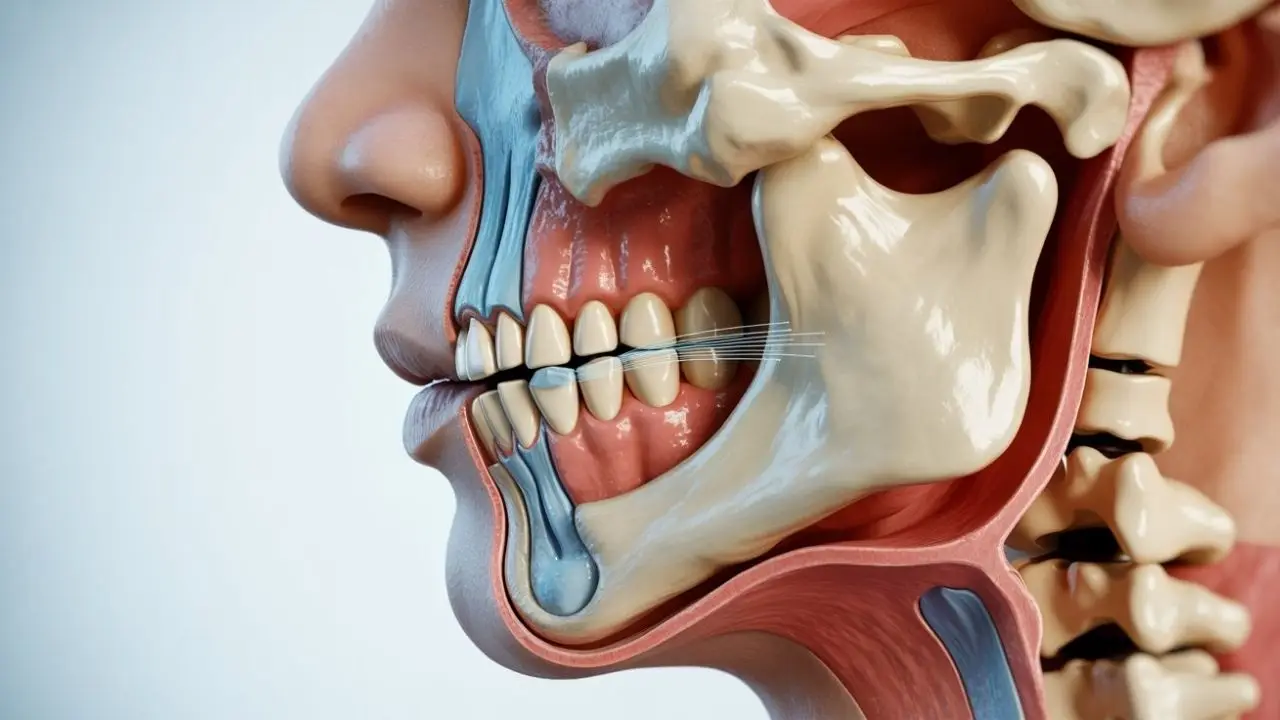
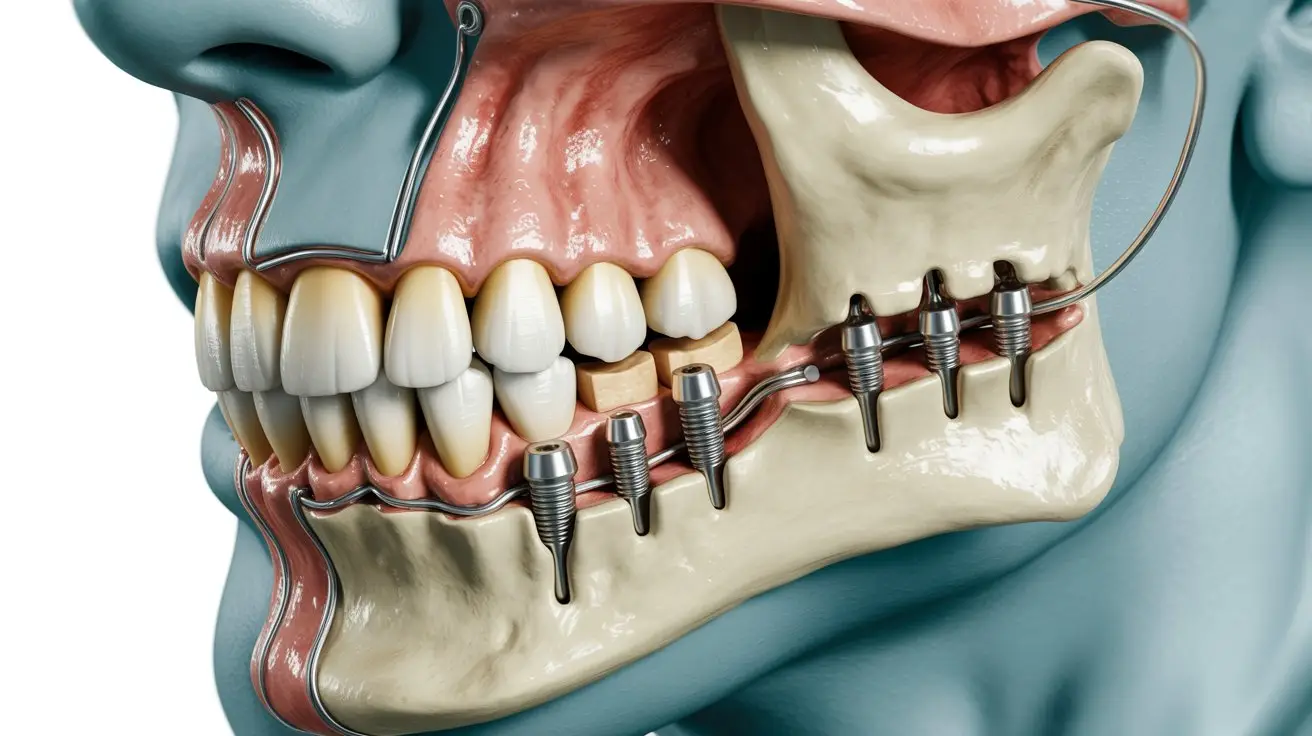
The maxilla forms the central part of the upper jaw and supports the teeth, nasal cavity, and eye sockets. A maxilla fracture disrupts this structure and may involve one or both sides of the bone. Because the maxilla connects to many other facial bones, injury here frequently overlaps with cheekbone or orbital fractures.
Maxilla fractures range from simple cracks to complex breaks that displace bone segments. Treatment decisions depend on the fracture pattern, patient age, and overall health. Each case differs, so individual evaluation remains essential.
Common Causes of Maxilla Fracture
High-impact events are the leading triggers for a maxilla fracture. Motor vehicle accidents, falls from height, sports collisions, and physical assaults account for most cases. Workplace accidents involving heavy machinery can also produce these injuries.
Less common causes include gunshot wounds or severe dental infections that weaken bone over time. Osteoporosis and certain medications that reduce bone density may increase vulnerability, though trauma remains the primary factor. Patients should remember that no two accidents produce identical fracture patterns.
Maxilla Fracture Symptoms to Watch For
Recognizing maxilla fracture symptoms early supports faster medical attention. Typical signs include facial swelling, bruising around the eyes or cheeks, and difficulty opening the mouth. Numbness in the upper lip or teeth often signals nerve involvement.
Other frequent complaints involve loose teeth, changes in bite alignment, and bleeding from the nose or mouth. Double vision or sunken eye appearance may appear when the fracture extends upward. Pain when chewing or speaking usually intensifies over the first few days.
| Symptom Category | General Description |
|---|---|
| Visible Changes | Swelling, bruising, or facial asymmetry that develops within hours |
| Sensory Issues | Numbness in upper lip, gums, or side of nose |
| Functional Problems | Difficulty chewing, speaking, or closing the mouth fully |
| Associated Signs | Nosebleeds, loose teeth, or altered bite relationship |
How Maxilla Fracture Differs From Other Jaw Injuries
A maxilla fracture affects the upper jaw, whereas mandibular fractures involve the lower jaw. Both can occur together in severe trauma, yet each requires distinct surgical planning. Upper jaw fractures often influence sinus function and eye positioning more directly than lower jaw breaks.
Diagnosis usually begins with a clinical examination followed by three-dimensional imaging. CT scans provide the clearest view of bone displacement and help surgeons map fracture lines. X-rays alone may miss subtle cracks in complex areas.
General Considerations After Injury
Anyone experiencing facial trauma should avoid manipulating the jaw or attempting to realign teeth. Soft foods, cold compresses, and head elevation can reduce swelling in the short term. These steps do not replace professional care and serve only as temporary measures.
Recovery timelines vary widely. Some patients regain normal function within weeks, while others need months of rehabilitation. Follow-up visits allow monitoring of bone healing and bite correction. Personal factors such as smoking or chronic illnesses can slow progress.
Sık Sorulan Sorular
Can a maxilla fracture heal without surgery?
Minor, non-displaced fractures may stabilize with conservative care, yet most maxilla fractures require surgical fixation for proper alignment. Imaging and clinical findings determine the best approach for each patient.
How long does swelling last after a maxilla fracture?
Initial swelling often peaks within 48 hours and gradually decreases over two to three weeks. Severe cases involving multiple facial bones may show prolonged edema that needs ongoing management.
Is numbness in the upper lip permanent after maxilla fracture?
Numbness may resolve as nerves recover, though some patients experience lasting changes. The extent of nerve damage and surgical technique influence long-term sensation outcomes.
What imaging is used to confirm a maxilla fracture?
Three-dimensional CT scans provide the most accurate assessment. These images reveal fracture lines, displacement, and involvement of adjacent structures such as sinuses or eye sockets.
Can children sustain maxilla fractures?
Yes, though patterns differ because growing bones are more flexible. Pediatric cases require special attention to avoid interfering with future facial development and tooth eruption.
Does every maxilla fracture cause changes in bite?
Many do, yet small fractures may leave bite relationships intact. Any perceived shift in how teeth meet warrants prompt evaluation by a qualified professional.
Sonuç
A maxilla fracture represents a serious facial injury that can influence appearance, function, and comfort. Early recognition of symptoms and understanding of common causes support informed decisions about care. Because every patient’s anatomy and injury pattern differ, only a thorough clinical examination and imaging can determine the most suitable management plan.
Uzman Bilgisi
This content has been prepared for general informational purposes in the field of oral and maxillofacial surgery. Prof. Dr. Celal Çandırlı’s more than 20 years of clinical experience and training at England’s NHS Poole Hospital and Newcastle Freeman Hospital contribute to the scientific and clinical perspective presented here.
This content is for general informational purposes only and does not replace professional medical advice. Consult a qualified healthcare professional for any concerns about facial or jaw injuries.