Although orthodontic treatment benefits vary from person to person, they generally provide relief from anxiety in many ways. For example, it is possible to eliminate the patient’s aesthetic concerns thanks to orthodontic treatments. Of course, in addition to this, the main goal is to transform the patient’s mouth and jaw structure into a healthier one.
If you want, let’s take a closer look at what you need to know about orthodontic treatment benefits. Let’s take a look at the benefits that orthodontic treatments offer to the patient one by one.
Orthodontic Treatment Benefits and Advantages
Physical and aesthetic concerns come first among the advantages of orthodontic treatment. The long-term benefits of these treatments are recorded in the medical literature as follows:
Orthodontic Treatment Benefits
Explanations
Elimination of Defects in Jaw Structure
Congenital or acquired disorders in the jaw structure are treated with orthodontics.
Development of Chewing Functions
It is possible to apply orthodontic treatment when the patient has difficulty chewing.
Eliminates Aesthetic Concerns
These treatments may be preferred to gain a more aesthetic smile.
Elimination of Speech Disorders
Some speech disorders can be eliminated with orthodontic treatment.
Elimination of Defects in Tooth Structure
Some defects in the structure of the tooth are eliminated by orthodontics.
These criteria, which are among the orthodontic treatment benefits, play a factor in patients choosing such treatments. Orthodontic treatments, especially applied at an early age, are critical for the patient to live a healthier life.
Orthodontic Treatment Benefits
Orthodontic treatment offers far more than cosmetic improvement; it plays a crucial role in oral function, long-term dental health, and overall well-being. By correcting misaligned teeth and improperly positioned jaws, orthodontics enhances chewing efficiency, protects enamel, and supports healthier gums. Modern orthodontic options—ranging from traditional braces to clear aligners—allow patients of all ages to achieve a healthier, more functional smile with minimal discomfort. As awareness grows, more people recognize that orthodontics is not just an aesthetic choice but a preventive investment in lifelong oral health.
Improved Oral Function and Bite Alignment
One of the most significant benefits of orthodontic treatment is the improvement of bite function. When teeth do not come together properly, chewing becomes inefficient and can strain the jaw joints. Orthodontic appliances gently guide teeth into ideal positions, ensuring that upper and lower teeth align harmoniously. This alignment helps distribute chewing forces evenly, reducing enamel wear and minimizing the risk of fractures. A stable bite also supports clearer speech and reduces the likelihood of temporomandibular joint (TMJ) discomfort caused by an unbalanced occlusion.
Enhanced Oral Hygiene and Lower Risk of Dental Problems
Straight teeth are considerably easier to clean than crowded or overlapping ones. When teeth sit too closely together, plaque accumulates in hard-to-reach areas, increasing the risk of gum disease, cavities, and chronic inflammation. Orthodontic treatment eliminates these tight spaces and improves access for brushing and flossing. As a result, patients typically see stronger gum health, fewer cavities, and a reduced likelihood of future periodontal complications. Long-term studies also show that aligned teeth help maintain healthier bone levels and fewer dental restorations over time.
Prevention of Abnormal Wear and Structural Damage
Misaligned teeth often experience uneven pressure, which leads to premature enamel wear, chipped edges, and even cracks that may require restorative treatment. Orthodontic correction resolves these issues by creating a balanced bite that protects every tooth. Children and teens particularly benefit, as early intervention can prevent lifelong dental damage. Adults also gain protection from grinding, clenching, and bite-related sensitivity that frequently arise when teeth are not positioned correctly.
Boosted Confidence and Aesthetics
Beyond functional improvements, orthodontic treatment significantly boosts confidence by creating a more symmetrical and attractive smile. Individuals often report improved self-esteem once teeth are straightened, which positively influences social, academic, and professional interactions. This psychological benefit is one of the reasons orthodontic treatment has become popular among adults seeking a subtle, effective way to enhance their appearance without invasive procedures.
Long-Term Health and Lifestyle Advantages
Orthodontic treatment also helps maintain overall oral health by preventing complications that could require costly interventions later. Proper alignment reduces the risk of chronic jaw pain, excessive tooth wear, and difficulty chewing fibrous foods. A healthy bite supports digestion, clearer speech, and balanced facial growth in children. With advancements like digital planning and discreet aligners, patients today enjoy efficient, comfortable treatment with predictable results that last a lifetime.
A Preventive Approach to Lifelong Oral Health
Ultimately, orthodontic treatment is a proactive step toward lifelong dental stability and comfort. By addressing misalignment early—or correcting it in adulthood—patients protect their teeth, gums, and jaw joints from long-term strain. Whether the goal is improved function, enhanced aesthetics, or preventive care, orthodontics offers transformative, evidence-based solutions that benefit both oral health and overall quality of life.
Why Is Orthodontic Treatment Important?
We have shared the highlights of orthodontic treatment benefits with you in our table above. In addition, we would like to emphasize the importance of orthodontic treatment under this heading.
Orthodontic treatment is an essential step as it offers permanent solutions.
Today, thanks to the development of medical science, high efficiency can be achieved through orthodontic treatments.
These treatments for teeth and jawbone are also important for the patient’s oral and dental health.
These treatments can also be used to eliminate aesthetic concerns permanently.
Benefits of Early Orthodontic Treatment – Orthodontic Treatment Benefits
Orthodontic treatment at an early age is important for the development of the patient. For example, if a primary school-aged child has a deformity in his or her teeth or jaw structure, treatment is required. Otherwise, bigger problems may arise during the growth phase. Therefore, if we evaluate it in terms of orthodontic treatment benefits, we recommend that such treatments be performed at an early age.
Of course, these treatments applied in adulthood are also effective. What is important is the specialist’s experience in applying the treatment.
Advantages and Disadvantages of Orthodontic Treatment
While talking about the orthodontic treatment benefits, it may be necessary to mention the advantages and disadvantages of the treatment. In this case, we have already discussed the advantages extensively at the beginning of our article. If you want, let’s look at the disadvantages of the treatment together:
In some cases, orthodontic treatment insurance may not be valid.
Orthodontic treatment costs may seem expensive to some patients.
Orthodontic treatment for adults can sometimes give unsuccessful results.
Frequently Asked Questions about Orthodontic Treatment Benefits
In this section, we would like to answer frequently asked questions about orthodontic treatment benefits.
What are the Main Goals of Orthodontic Treatment?
The main aims of the treatment include eliminating deformations in the tooth and jaw structure. In addition, the treatment can relieve the patient’s aesthetic concerns.
Is Orthodontic Treatment Good?
The clinic and specialist physician you prefer are critical to the success of the treatment.
What are the Benefits of Early Orthodontic Intervention?
The benefits of orthodontic treatment applied at an early age include the treatment providing a permanent solution. In addition, treatment applied at an early age positively affects tooth and jaw development.
Why do we need orthodontic treatment?
We need orthodontic treatment to correct misaligned teeth and jaws that can affect chewing, speech, oral hygiene, and facial balance. Proper alignment makes it easier to clean teeth and reduces the risk of cavities, gum disease, and abnormal tooth wear. It also helps create a more harmonious smile, which can improve confidence and overall quality of life.
Orthodontic insurance benefits
Orthodontic insurance benefits are designed to reduce out-of-pocket costs for braces or clear aligners. Depending on the plan, insurance may cover a portion of diagnostic records, active treatment, and retainers, usually up to a lifetime maximum. Understanding your coverage before starting treatment helps you plan payments and avoid unexpected expenses.
Benefits of dental braces
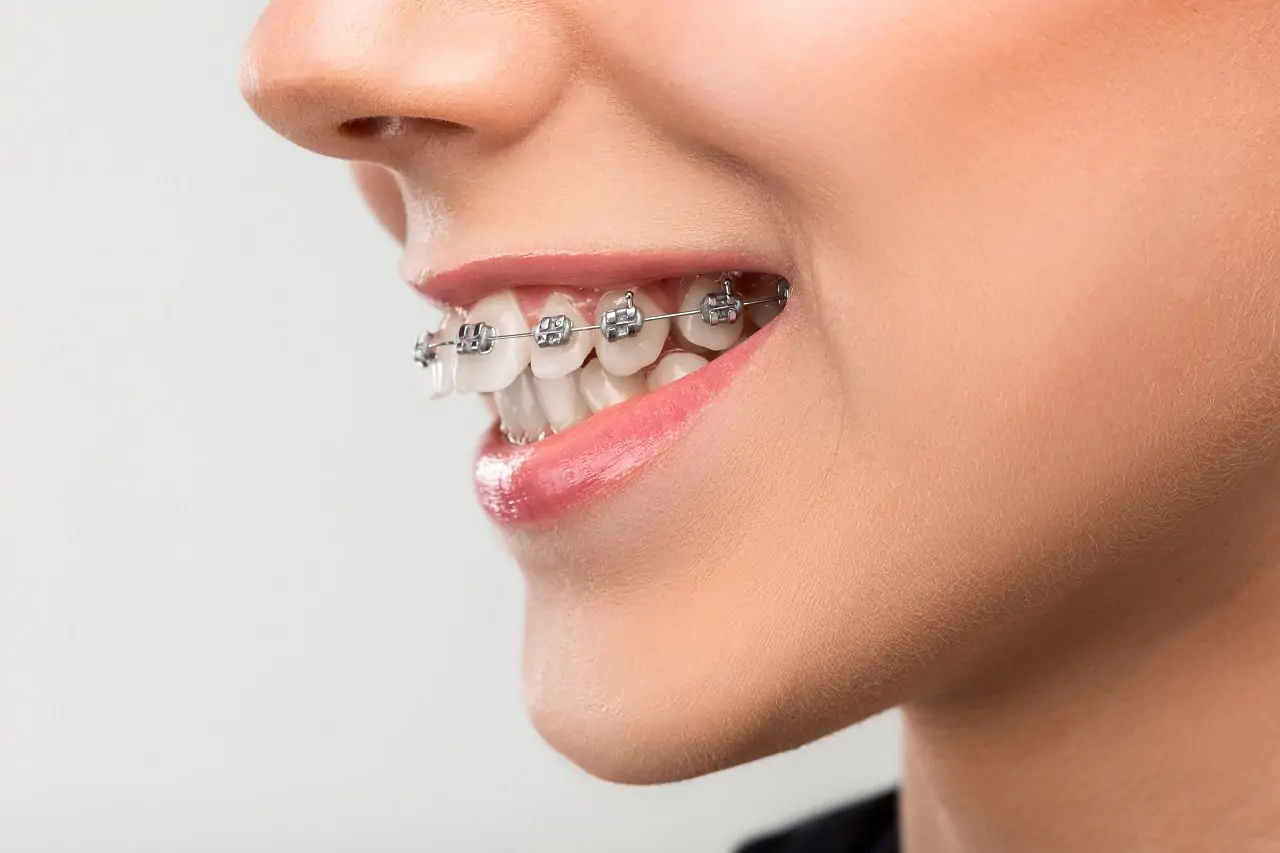
Dental braces gradually move teeth into better positions, improving the way your teeth fit together and how your smile looks. They can correct crowding, gaps, overbites, underbites, and crossbites that might otherwise lead to long-term dental problems. By creating a stable bite, braces also help protect teeth from excessive wear and make daily cleaning more effective.
Benefits of being an orthodontist
Being an orthodontist offers the satisfaction of transforming patients’ smiles and helping them gain confidence. The specialty combines science, problem solving, and artistry, allowing orthodontists to design personalized treatment plans using advanced technology. It also provides opportunities for long-term patient relationships, professional growth, and work settings ranging from private practice to academic or hospital-based roles.
What is orthodontic treatment?
Orthodontic treatment is a branch of dentistry focused on diagnosing, preventing, and correcting misaligned teeth and jaws. It uses tools such as braces, clear aligners, expanders, and retainers to gently guide teeth into healthier positions over time. The goal is to achieve a functional bite, easier oral hygiene, and an attractive smile.
Orthodontic procedures
Orthodontic procedures include taking digital scans or impressions, X-rays, and photos to plan treatment, followed by placing braces or fitting clear aligners. Throughout treatment, patients attend regular adjustment visits where wires, elastics, or aligner sets are changed to keep teeth moving. After active treatment, retainers are provided to maintain the new tooth positions and prevent relapse.
Need for orthodontic treatment
The need for orthodontic treatment arises when teeth are crowded, spaced, or bite together in a way that strains the jaw or damages enamel. Signs include difficulty chewing, mouth breathing, thumb-sucking habits, or teeth that visually appear crooked or protruding. An orthodontic evaluation helps determine whether treatment is necessary for better function, health, or aesthetics.
Why are braces important?
Braces are important because they address problems that simple fillings or cleanings cannot fix—namely, how your teeth and jaws fit together. By guiding teeth into proper alignment, braces help prevent uneven wear, jaw pain, and excessive stress on certain teeth. They also create a strong foundation for future dental work and contribute to a confident, stable smile.
What are the benefits of orthodontic treatment?
Orthodontic treatment improves both function and appearance by aligning teeth and balancing the bite. Patients often notice easier chewing, clearer speech, and more efficient oral hygiene once teeth are straight. Long term, treatment can lower the risk of cavities, gum problems, and abnormal tooth wear while enhancing facial aesthetics and self-esteem.
Does orthodontic treatment truly make a difference?
Yes, orthodontic treatment can make a significant difference in daily life. Correcting misalignment can relieve jaw strain, reduce headaches linked to bite problems, and improve the ability to chew a wide range of foods. Many patients also experience a strong boost in confidence after treatment, which can positively affect social and professional interactions.
What are the pros and cons of orthodontic treatment?
The pros of orthodontic treatment include better oral health, improved bite function, enhanced facial appearance, and increased confidence. On the other hand, treatment requires time, consistent appointments, and strict oral hygiene, and some patients experience temporary discomfort or dietary restrictions. When weighed together, most people find that the long-term benefits far outweigh the short-term inconveniences.
Do braces have health benefits?
Braces provide important health benefits by making teeth easier to clean and reducing areas where plaque can accumulate. A well-aligned bite distributes chewing forces more evenly, lowering the risk of chipped teeth, gum recession, and temporomandibular joint (TMJ) problems. By supporting healthier gums and enamel, braces contribute to better overall oral and systemic health.
What is the best age to start orthodontics?
Orthodontists often recommend an initial evaluation around age seven, when permanent teeth begin to appear and jaw growth can still be guided. Some children benefit from early or “interceptive” treatment, while others can safely wait until most adult teeth are present in the early teen years. Adults can also start orthodontics at any age, as long as their gums and bone are healthy.
Why do people quit Invisalign?
People sometimes quit Invisalign because the aligners must be worn 20–22 hours a day, which requires strong commitment and routine. Others may struggle with removing them for every meal, losing trays, or not seeing progress as quickly as expected if they do not wear them consistently. Clear communication with the orthodontist and realistic expectations can help patients stay motivated and complete treatment.
What is the 2 2 2 rule for teeth?
The 2 2 2 rule is a simple guideline for better oral hygiene: brush for at least two minutes, two times a day, and visit the dentist two times a year. Some versions add “no eating or drinking (except water) for two hours after fluoride” to maximize its effect. Following this rule becomes especially important during orthodontic treatment, when braces or aligners can trap more plaque around the teeth.
Are there negative effects of braces?
Braces can have temporary side effects such as soreness, mouth irritation, and a slightly higher risk of cavities or gum inflammation if oral hygiene is poor. In rare cases, roots of teeth may shorten slightly or the bite may need fine-tuning at the end of treatment. With careful planning, regular check-ups, and good home care, these risks are usually minimal and are outweighed by the long-term benefits of a healthy, aligned smile.