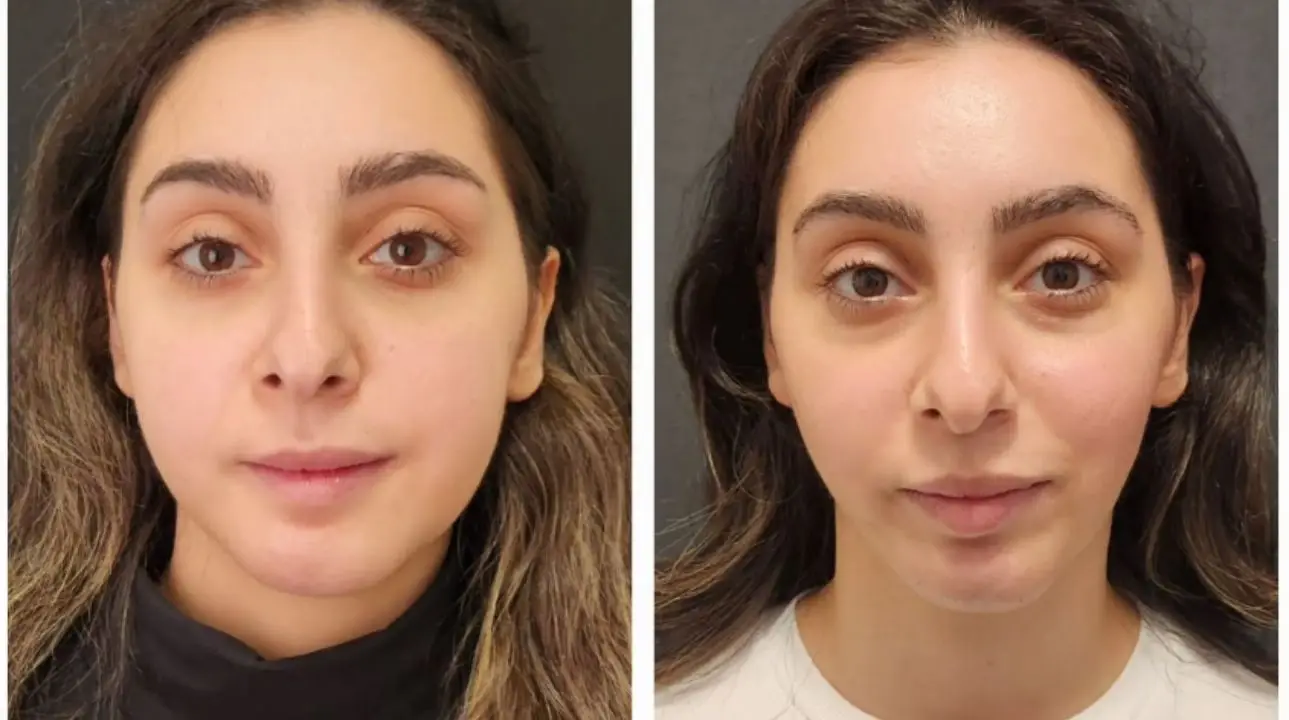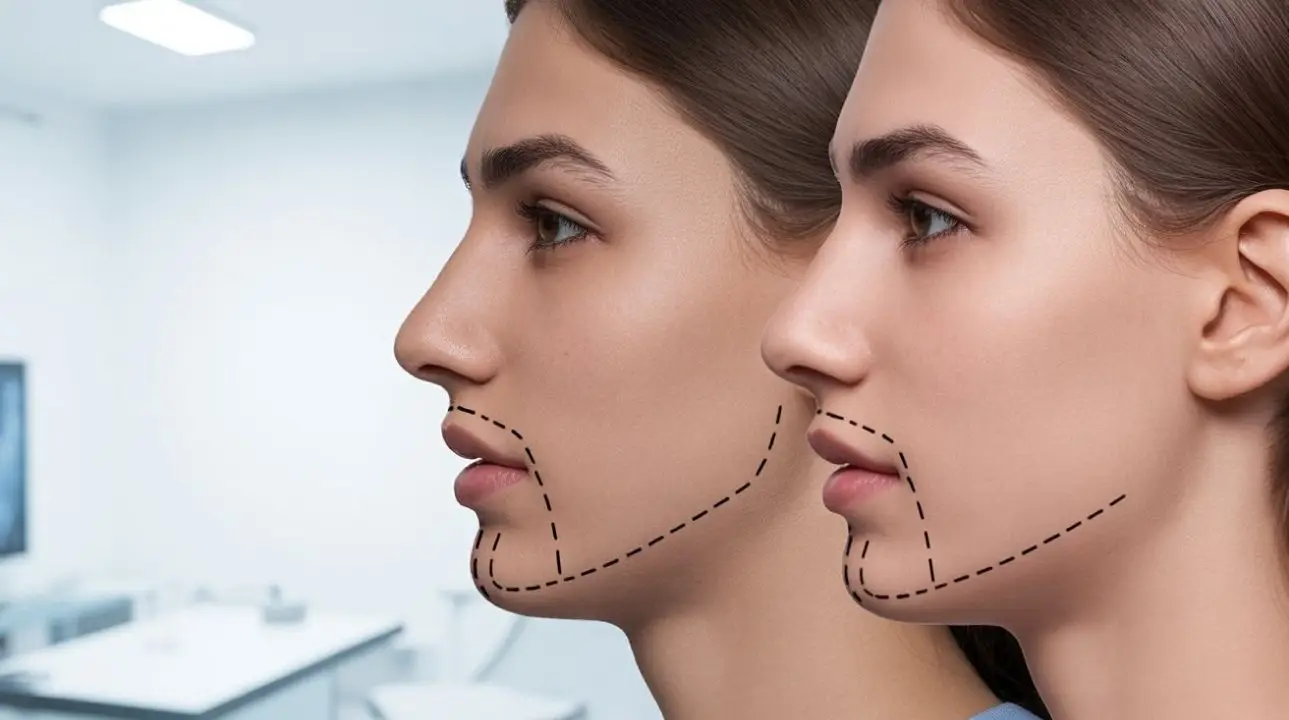
If you’re considering redefining your facial profile through jawline surgery, understanding what happens before and after jawline surgery is essential. From initial consultation to final results, this guide will walk you through the entire transformation journey.
Renowned Istanbul-based facial surgeon Prof. Dr. Celal Çandırlı shares expert insights into the latest approaches for 2025 and what patients can expect during recovery and beyond.
What to Expect Before and After Jawline Surgery
Preparing for jawline surgery involves more than just scheduling a date—it’s a comprehensive process that ensures both safety and optimal results. From your first meeting with a skilled facial surgeon to pre-operative planning and lifestyle adjustments, each step is designed to align the procedure with your unique features and goals.
In Istanbul, Prof. Dr. Celal Çandırlı provides a thorough, patient-focused approach that begins long before the surgery itself, helping you feel confident and informed every step of the way.
1. Personalized Consultation with Your Surgeon
Before undergoing jawline surgery, patients typically meet with a board-certified surgeon such as Prof. Dr. Celal Çandırlı in Istanbul. During this phase, facial symmetry, bone structure, and aesthetic goals are carefully analyzed.
2. Digital Imaging and Surgical Planning (Before and After Jawline Surgery )
Thanks to advancements in 3D imaging, you can preview your potential results even before the procedure. Dr. Çandırlı uses these tools to design a tailored approach based on your facial anatomy.
3. Pre-Surgery Preparation
You’ll be advised to avoid smoking, alcohol, and certain medications to optimize healing. Lab tests and facial measurements may also be part of the preparation phase.

Immediate Results After Jawline Surgery
The first few days following jawline surgery are a crucial part of the recovery process, offering both immediate visible changes and temporary post-surgical effects. While some swelling and discomfort are expected, many patients begin to notice improvements in facial definition shortly after the procedure.
Under the expert care of Prof. Dr. Celal Çandırlı in Istanbul, you’ll receive detailed post-operative guidance to ensure a smooth and comfortable healing experience, allowing you to witness the early stages of your aesthetic transformation with confidence.
1. Initial Swelling and Bruising
Right after the operation, it’s normal to experience swelling, tightness, and mild discomfort. These are temporary and usually peak within the first 72 hours.
2. Visible Structural Changes
Despite the swelling, many patients report seeing the contour and definition of their jawline almost immediately, which is especially evident in implant-based procedures.
3. Post-Operative Care
Dr. Çandırlı typically recommends cold compresses, prescribed pain relievers, and sleeping with the head elevated to ease discomfort and reduce swelling.
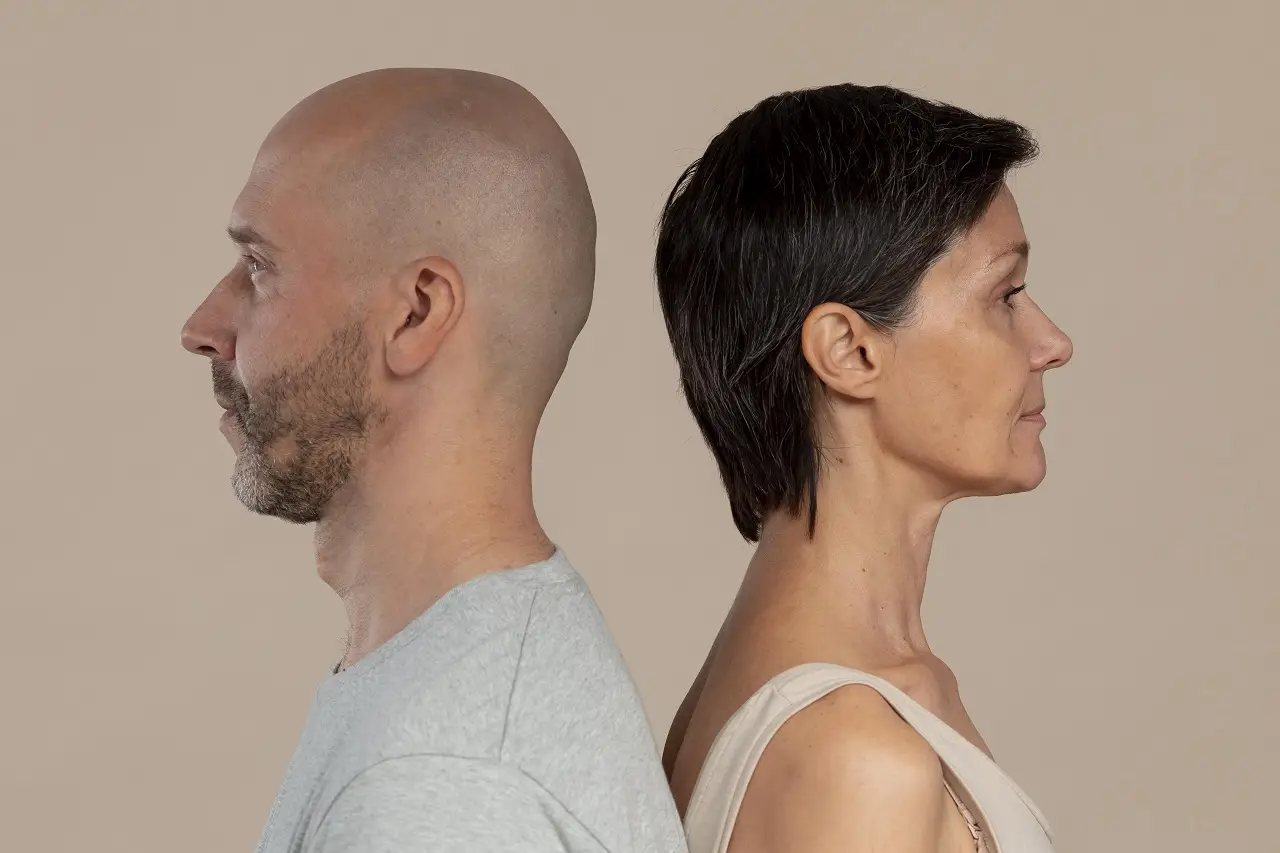
Long-Term Transformation: 1–6 Months Later (Before and After Jawline Surgery )
In this process, you can see what has been done on your face. You will have a balanced and beautiful face and jaw in this time.
1. Healing and Settling of Results
By the 4th to 6th week, most visible swelling subsides, revealing the refined shape of the jaw. Your before and after jawline surgery comparison will show clearer definition and improved facial harmony.
2. Natural-Looking Outcome
Dr. Çandırlı emphasizes a natural, balanced aesthetic. Whether through jaw contouring or implants, the outcome is designed to blend seamlessly with your unique features.
3. Boost in Confidence
Many patients report increased confidence and satisfaction after jawline enhancement. Photos and mirror reflections often reflect a more youthful, sculpted appearance.
Why Choose Prof. Dr. Celal Çandırlı?
Located in Turkey, a global hub for aesthetic surgery, Prof. Dr. Celal Çandırlı is recognized for his precise surgical techniques and natural-looking outcomes. With years of experience and hundreds of satisfied patients, he offers:
- Advanced 3D imaging for customized treatment
- Minimal scarring techniques
- A patient-first approach with international standards
Frequently Asked Question (Before and After Jawline Surgery )
Understanding what to expect before and after jawline surgery helps reduce anxiety and improve satisfaction. If you’re planning your own facial transformation in 2025, consult with an expert like Prof. Dr. Celal Çandırlı in Istanbul to ensure a safe and stunning result.
How long does it take to see the final results after jawline surgery?
While initial results are visible within the first few weeks, the final outcome typically settles between 3 to 6 months post-surgery, as swelling fully subsides and tissues heal.
Is jawline surgery painful?
Most patients report only mild discomfort during the first few days. Dr. Çandırlı provides effective pain management and post-operative care instructions to minimize any discomfort.
Will there be visible scars?
In most cases, incisions are made inside the mouth or in discreet locations, resulting in minimal to no visible scarring. Prof. Dr. Celal Çandırlı specializes in scar-minimizing techniques.
Can jawline surgery be combined with other procedures?
Yes. Many patients combine jawline surgery with procedures like chin implants, neck liposuction, or rhinoplasty for more comprehensive facial enhancement.
How do I know if I’m a good candidate for jawline surgery?
Ideal candidates are healthy adults with realistic expectations, seeking to improve jawline definition or correct asymmetry. A detailed consultation with Dr. Çandırlı in Istanbul will help determine suitability.
Are the results of jawline surgery permanent?
Yes, jawline surgery typically provides long-lasting results, especially in bone contouring and implant procedures. However, natural aging may subtly affect the facial structure over time.
How soon can I return to work after jawline surgery?
Most patients can resume non-strenuous activities within 7–10 days. However, full recovery and return to physically demanding tasks may take a few weeks.
Is jawline surgery safe?
When performed by a qualified and experienced surgeon like Prof. Dr. Celal Çandırlı, jawline surgery is considered safe. All surgical risks are discussed during the consultation phase.
How risky is jawline surgery?
Jawline surgery is generally considered safe when performed by an experienced maxillofacial or plastic surgeon, but as with any major operation, there are risks. These may include infection, nerve injury, numbness, bleeding, scarring, asymmetry, delayed healing, or complications related to anesthesia. Careful pre-operative planning and proper post-operative care help minimize these risks.
Is 25 too old for jaw surgery?
No. Age 25 is not too old for jaw surgery. In fact, many patients undergo corrective jaw surgery in their 20s and 30s. As long as the jaw has fully developed and the patient is medically fit, the procedure can be safely and effectively performed.
Is jawline surgery worth it?
For many patients, jawline surgery is worth it because it improves facial balance, function, bite alignment, and self-confidence. However, it is still major surgery that requires careful consideration, a recovery period, and realistic expectations. A consultation with a specialist is the best way to determine if the benefits outweigh the risks for an individual patient.
Do people look better after jaw surgery?
Many people do experience a noticeable improvement in facial harmony and definition after jaw surgery. By correcting asymmetry, misalignment, or structural imbalance, the face can appear more proportionate and aesthetically pleasing. The final result depends on the surgical plan, healing process, and individual anatomy.
How painful is jaw surgery?
Jaw surgery is performed under anesthesia, so patients do not feel pain during the procedure. Some discomfort and swelling are expected during the recovery phase, especially in the first 1–2 weeks. Pain is usually manageable with prescribed medication and improves steadily as healing progresses.
Does jaw surgery last a lifetime?
In most cases, the results of jaw surgery are long-lasting or permanent. Once the bones heal in their new position, the structural changes remain stable. Good oral care, healthy lifestyle habits, and regular follow-up with your surgeon and dentist help maintain the results.
Is jawline 100% genetic?
Genetics play a major role in determining jaw shape and structure, but they are not the only factor. Habits, developmental conditions, trauma, and teeth alignment can also affect jaw appearance. That means your jawline is strongly influenced by genetics, but not entirely determined by it.
What are the top 3 riskiest surgeries?
The surgeries most commonly associated with higher risk levels include complex cardiac surgery, organ transplantation, and major brain or neurological surgery. These procedures carry greater risk due to their complexity and the critical organs involved. However, advances in modern medicine continue to improve safety outcomes.
What are the negatives of jaw surgery?
Potential downsides of jaw surgery include swelling, bruising, temporary numbness, difficulty eating during recovery, speech changes, infection risk, scarring, and possible asymmetry. Recovery can take several weeks to months. Emotional and physical adjustment may also be needed as the face changes shape.