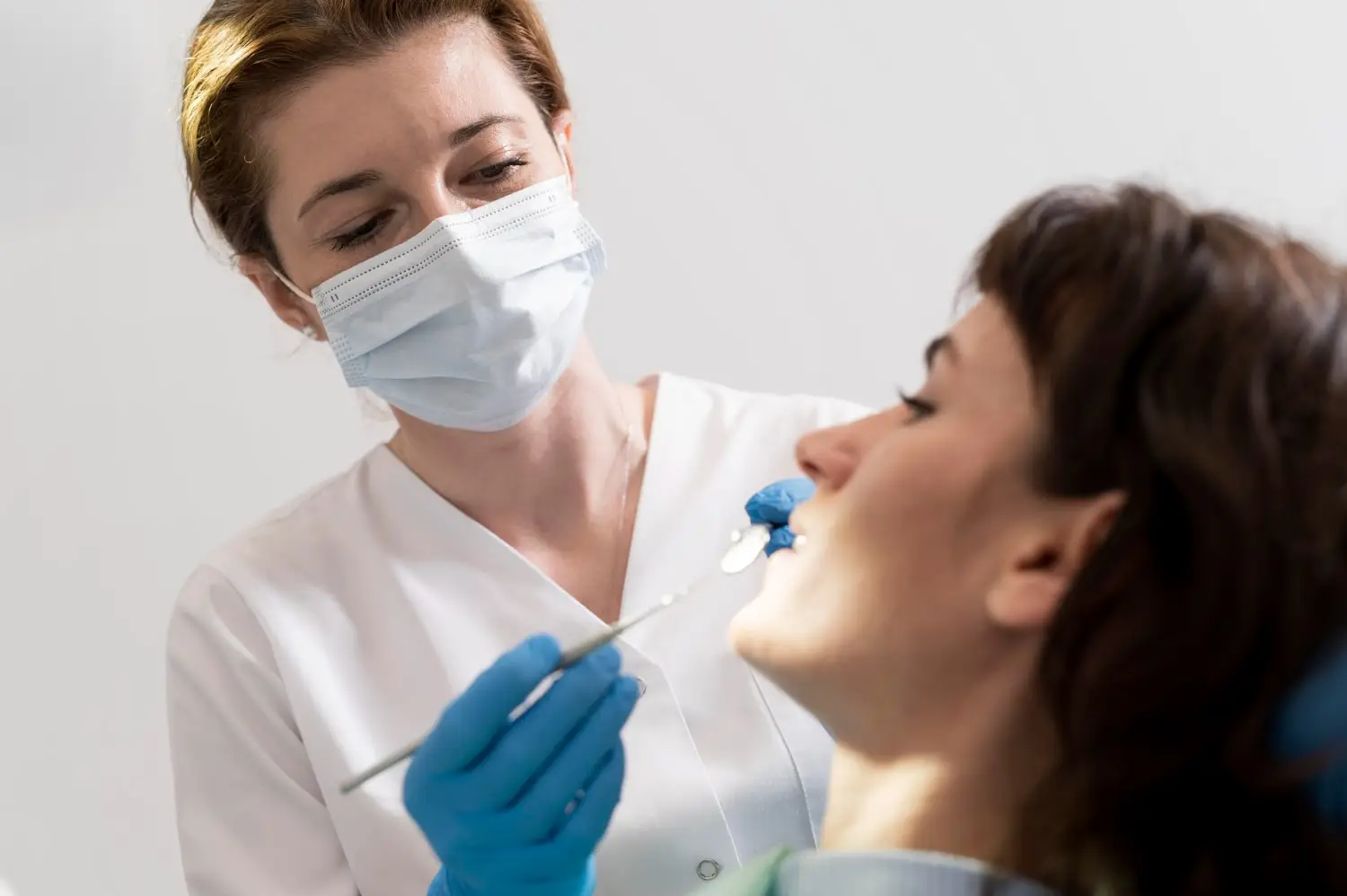
What Does the Pre-Surgical Evaluation for TMJ Surgery Involve?
The pre-surgical evaluation for tmj surgery focuses on understanding the condition of the temporomandibular joint and surrounding structures. This process helps determine whether surgery is a suitable option based on individual findings.
During the evaluation, detailed information is gathered about symptoms, medical history, and previous treatments. The goal is to create a clear picture of the jaw joint’s function and any related issues before planning any procedure.
Readers should remember that every case differs, and final decisions always require a personal consultation with a qualified specialist.
Medical History and Symptom Review
A thorough review of medical history forms the foundation of the evaluation. Patients are asked about the duration and nature of jaw pain, clicking sounds, limited mouth opening, and any history of trauma or arthritis.
Previous treatments such as physical therapy, medications, or bite splints are also discussed. This information helps identify patterns and rule out conditions that may not benefit from surgery.
Physical Examination of the Jaw Joint
The physical exam includes measuring jaw movement range and checking for tenderness around the temporomandibular joint. Muscle function and bite alignment are assessed to detect imbalances.
Special attention is given to sounds during jaw motion and any signs of inflammation. These observations provide essential clues about joint stability and tissue health.
Imaging and Diagnostic Tests
Advanced imaging plays a central role in the evaluation process. Cone-beam computed tomography (CBCT) or magnetic resonance imaging (MRI) can reveal bone structure, disc position, and soft tissue changes.
Additional tests may include panoramic radiographs or ultrasound in selected cases. These tools allow specialists to visualize internal joint anatomy without invasive measures.
| Evaluation Step | General Purpose |
|---|---|
| Medical history | Identify symptom timeline and prior treatments |
| Physical exam | Assess jaw movement and muscle function |
| Imaging studies | Visualize bone and soft tissue details |
| Functional tests | Evaluate bite and joint loading |
Functional and Psychological Assessment
Functional tests measure how the jaw performs during chewing and speaking. Bite force analysis and jaw tracking technology may be used to quantify movement limitations.
Some evaluations also consider psychological factors such as stress-related clenching, which can influence recovery expectations. These aspects help create a balanced view of the overall situation.
Frequently Asked Questions
How long does the pre-surgical evaluation for tmj surgery usually take?
The evaluation process can span several visits over a few weeks. Each appointment focuses on different aspects such as history, imaging, and functional testing.
Is imaging always required before tmj surgery?
Imaging is commonly included to assess joint structures. The specific type depends on individual symptoms and previous diagnostic results.
Can previous dental work affect the evaluation?
Yes, existing dental restorations or orthodontic appliances are reviewed because they may influence jaw alignment and surgical planning.
Are blood tests part of the tmj surgery evaluation?
Blood tests may be requested to check general health markers or rule out inflammatory conditions. Not every patient requires the same set of tests.
What happens if the evaluation shows surgery is not suitable?
Alternative non-surgical approaches are discussed when findings indicate limited benefit from surgery. The decision remains based on personal clinical data.
Does the evaluation process involve any risks?
Most evaluation steps are non-invasive. Imaging procedures carry minimal radiation exposure when clinically indicated, and this is explained during the visit.
Conclusion
The pre-surgical evaluation for tmj surgery gathers multiple layers of information to support informed decisions. Clinical examination, imaging, and functional testing together help clarify whether surgery aligns with the patient’s specific needs. Personal assessment by a healthcare professional remains essential for any treatment pathway.
Expert Information
This content is prepared for general informational purposes in the field of oral, dental, and maxillofacial surgery. Prof. Dr. Celal Çandırlı’s more than 20 years of professional experience and training at England NHS Poole Hospital and Newcastle Freeman Hospital contribute to presenting the topic within a scientific and clinical framework.
This content is for general informational purposes only and does not replace diagnosis or treatment. For complaints related to oral, dental, and jaw health, consult your dentist or relevant specialist healthcare professional.