Heavy snoring, sudden pauses in breathing during the night, waking up exhausted, and battling unexplained daytime fatigue… If you are experiencing these symptoms, you might be dealing with Obstructive Sleep Apnea Syndrome (OSAS). Often casually dismissed as a weight issue or a simple nasal blockage, one of the most critical and frequently overlooked anatomical root causes of severe sleep apnea is actually a receding jaw (retrognathia).
Sleep apnea is not merely an annoyance that ruins your sleep quality; it is a life-threatening medical condition that, when left untreated, significantly increases the risk of heart attacks, hypertension, and strokes. So, what is the hidden connection between your jaw structure and this dangerous condition, and is there a permanent surgical cure that frees you from a lifetime of wearing a CPAP mask?

The Hidden Link Between Your Jaw Structure and Airway
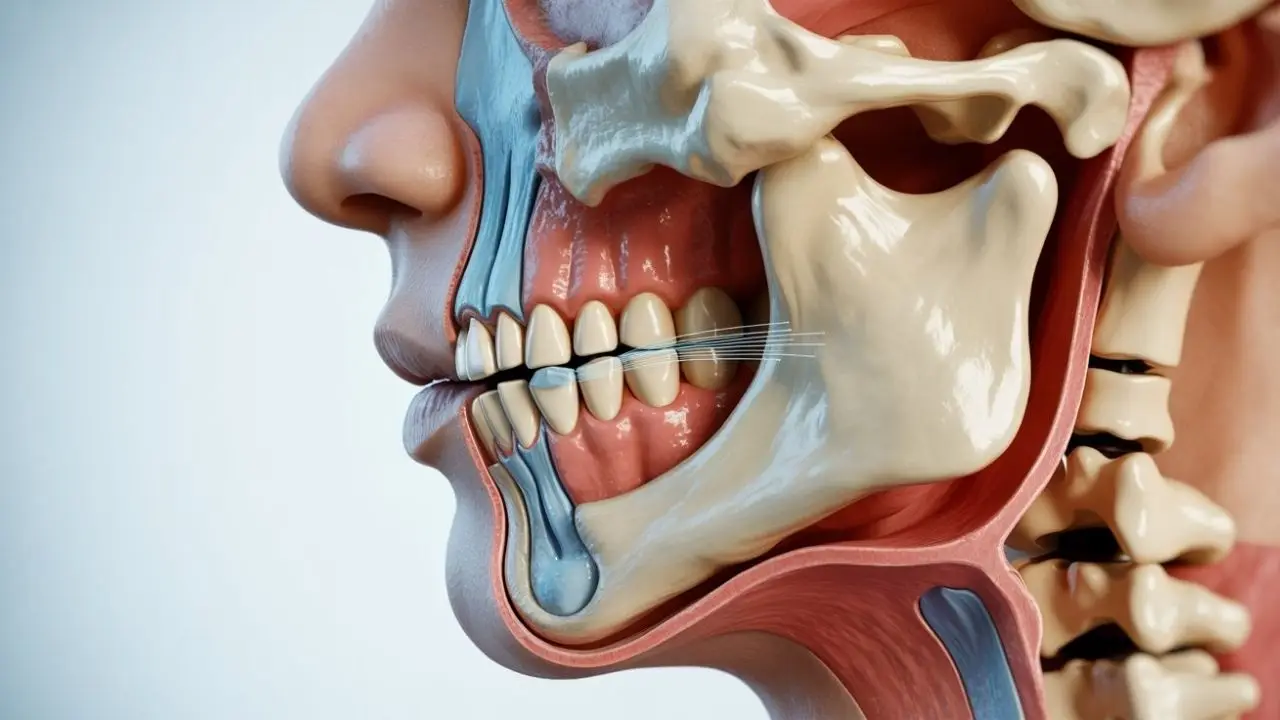
For healthy, unobstructed breathing, the upper airway must remain wide open during sleep. However, in individuals with a skeletal discrepancy where the lower jaw is smaller or set further back than normal (retrognathia), the base of the tongue and the attached soft tissues are also pushed backward.
When you fall asleep—especially on your back—your muscles naturally relax. The backward-positioned tongue base collapses against the back of the throat, completely sealing off the already narrow airway. During this blockage, the brain is deprived of oxygen, causing the patient to abruptly wake up gasping for air (often subconsciously), which destroys the deep sleep cycle. A narrow or recessed upper jaw can also severely compromise nasal breathing and airway volume.
Trapped by a CPAP Machine? The Permanent Orthognathic Solution
Currently, the first line of defense for diagnosed sleep apnea patients is prescribing a CPAP (Continuous Positive Airway Pressure) machine. The CPAP works by blowing pressurized air down the throat to force the airway open, effectively masking the symptoms. However, CPAP is a lifelong management tool, not a cure. Sleeping with a hose and mask is highly claustrophobic, uncomfortable, and unsustainable for a vast number of patients.
If the root cause of your sleep apnea is a narrow or receding jaw skeleton, the most definitive, permanent medical cure is a form of orthognathic surgery known as Maxillomandibular Advancement (MMA).
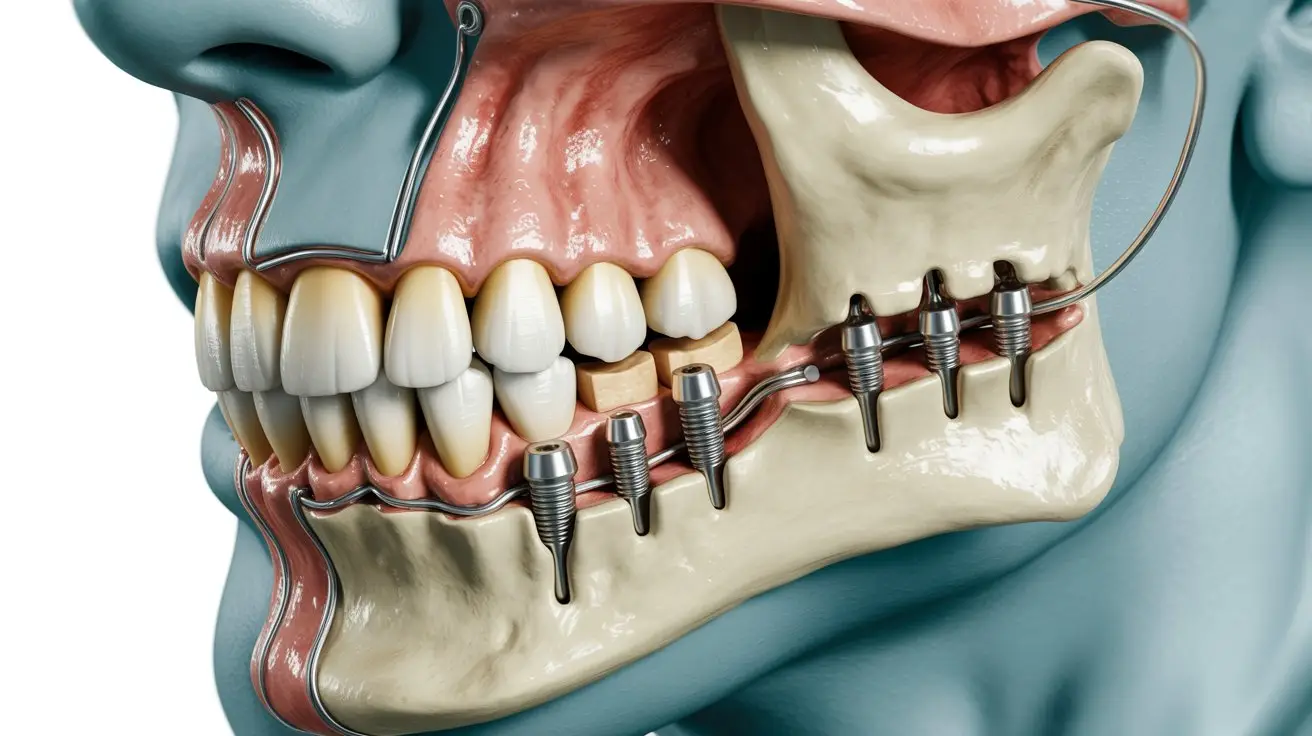
Prof. Dr. Celal Çandırlı utilizes highly advanced maxillofacial surgical protocols to physically and permanently expand the airway. During this procedure, both the upper and lower jawbones are surgically advanced (moved forward) by precisely calculated millimeters. As the jaws move forward, the base of the tongue and the soft tissues of the pharynx are pulled forward with them. The airway volume increases dramatically, the physical obstruction is eliminated, and the patient is finally liberated from the CPAP machine.
Safe Surgery Through 3D Virtual Planning
Jaw advancement surgery requires profound anatomical expertise and flawless medical engineering. The process is guided by cutting-edge digital technology:
Radiological Analysis: Using 3D CT scans (CBCT), the patient’s exact airway volume is calculated in cubic millimeters, pinpointing the precise location of the collapse.
Virtual Surgery: Prof. Dr. Celal Çandırlı simulates the entire surgery in a 3D digital environment. The exact amount of forward movement required to maximize airway expansion while simultaneously optimizing facial aesthetics is carefully determined.
The Procedure: Performed entirely with intraoral incisions (meaning absolutely no visible scars on the face), the jaws are mobilized and secured into their new, healthy positions using biocompatible titanium plates.
Following recovery, patients not only experience the life-changing benefits of deep, uninterrupted, and healthy sleep, but they also gain a significantly stronger, more defined, and highly aesthetic jawline, as the receding profile is permanently corrected.
Frequently Asked Questions (FAQ)
(Webmaster: Please insert FAQ Schema here)
What is the success rate of jaw surgery for sleep apnea?
Orthognathic surgery (Maxillomandibular Advancement) boasts the highest success rate (frequently exceeding 90%) of all surgical treatments for severe obstructive sleep apnea. Because it physically eliminates the anatomical bottleneck caused by the skeletal structure, the vast majority of patients are cured and can permanently stop using their CPAP machines.
Will advancing my lower jaw ruin my facial aesthetics?
Quite the opposite. A receding lower jaw often creates a “weak chin” or a “double chin” appearance, even in fit individuals. Advancing the jaw to its correct anatomical position via 3D planning beautifully defines the neck angle, eliminates the double-chin effect, and provides the face with a much stronger, balanced, and highly attractive profile.