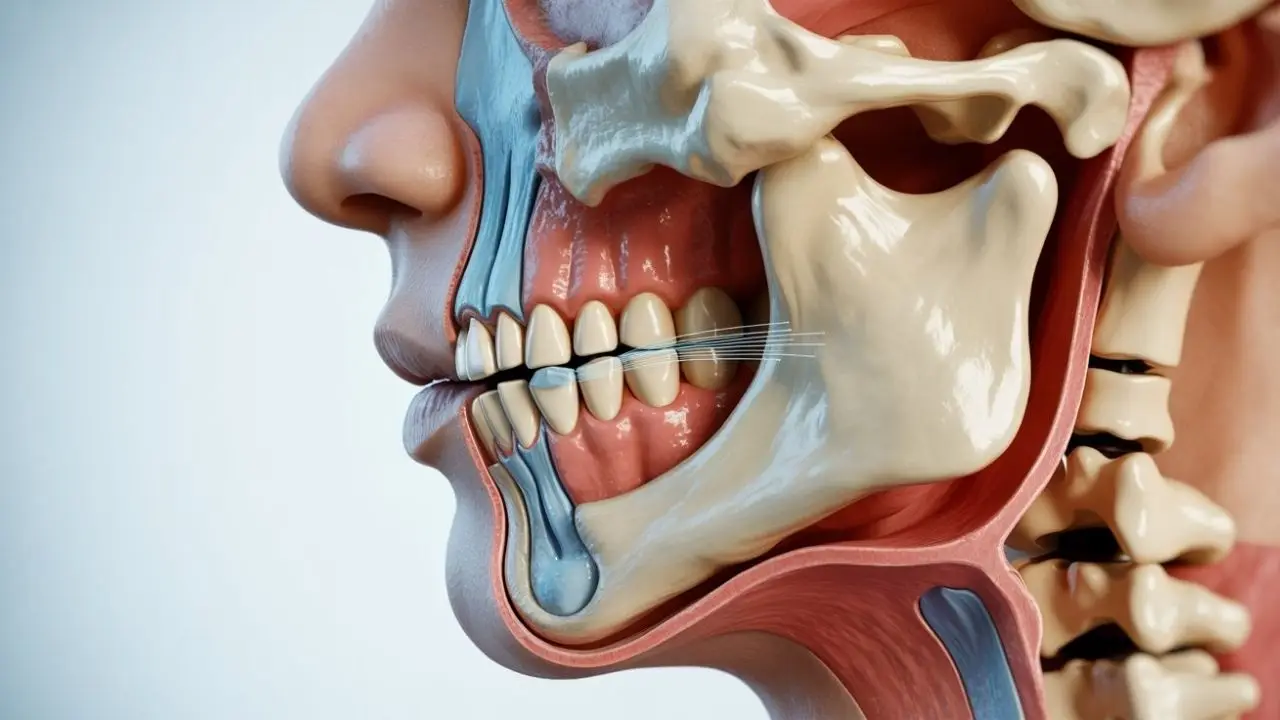
When you wish to reflect your internal identity or aesthetic ideals in your outward appearance, you may seek to accentuate the gender characteristics of your face. To achieve a more angular, broad, and strong jawline (Masculine) or a softer, narrower, and delicate facial structure (Feminine), the aesthetic world offers two fundamental approaches: Soft tissue fillers and Maxillofacial Skeletal Surgery. While dermal fillers are effective for subtle touches, the true element that permanently alters the fundamental character of a face is the surgical reconstruction of its bone architecture (the skeleton).
What Determines Gender Characteristics in the Face?
The primary factor that causes a face to be perceived as masculine or feminine is not the skin or fat tissue, but the width, angles, and forward projection of the underlying bones.
Masculine (Male-Type) Face: Characterized by a prominent and wide jaw angle (gonial angle), a flat and broad chin, strong cheekbones, and a pronounced brow bone structure. The face is dominated by sharp angles and distinct shadows.
Feminine (Female-Type) Face: Features soft transitions, a V-shaped (heart-shaped) narrow jawline, a smooth forehead contour, and delicate cheekbones.
The Limitations of Liquid Fillers in Skeletal Contouring
Procedures like hyaluronic acid or fat injections are excellent medical aesthetic tools for restoring lost facial volume. However, when the goal is to alter the structural character of the face, “soft tissue augmentations” have certain physical limitations:
The Limits of Fillers in Masculinization: Attempting to create a broad jawline using fluid gels—which lack the hard, sharp nature of bone—often results in a heavy lower face rather than a sharpened jawline. Over time, the dense filler materials used tend to migrate downward under gravity, causing widening and sagging in the submental (double chin) area.
The Limits of Fillers in Feminization: Injecting excessive filler into the cheeks to hide a wide, male-type jawbone or to make the face appear more feminine does not narrow the face; on the contrary, by retaining water, it can cause the face to look rounder, wider, and overly voluminous.
Facial Masculinization Surgery
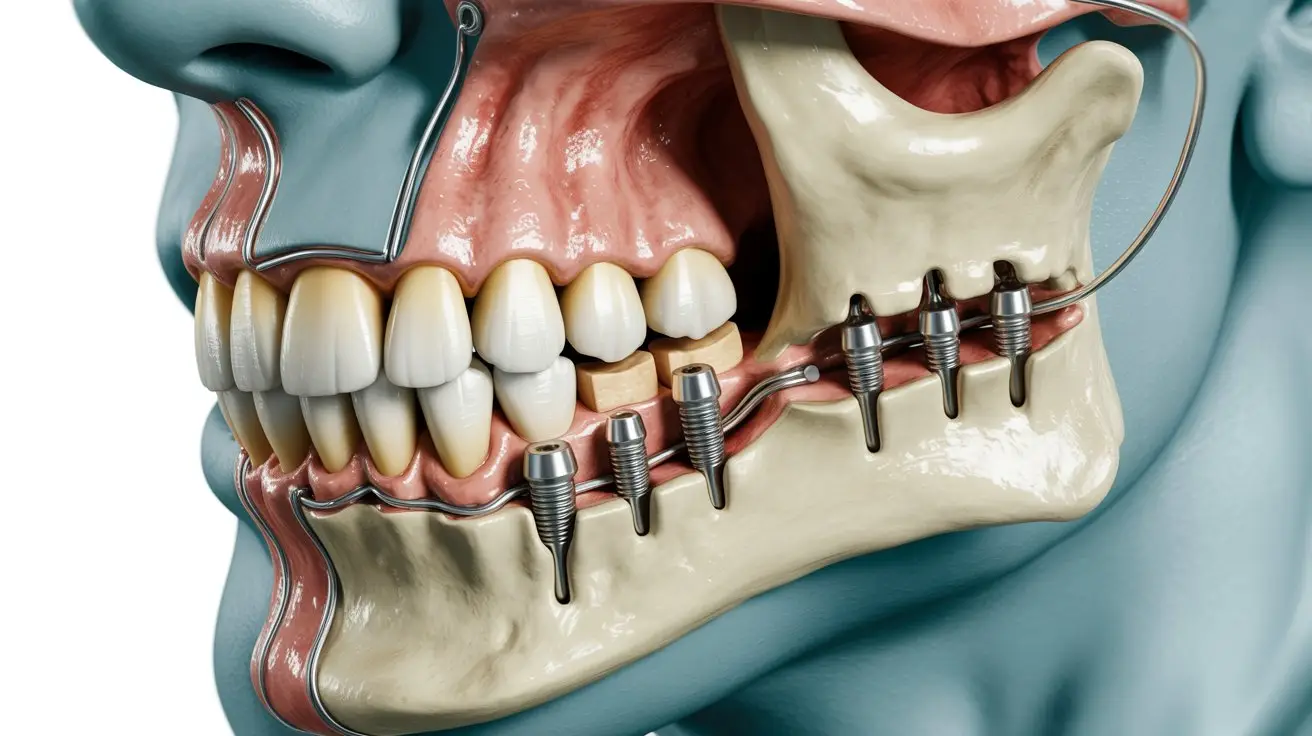
True and permanent masculinization is achieved by expanding the facial bones outward using 100% biocompatible, hard materials. To construct a strong and dominant facial skeleton, Prof. Dr. Celal Çandırlı utilizes Custom 3D PEEK or Titanium implants guided by 3D Virtual Surgical Planning (VSP).
In this advanced craniomaxillofacial operation, custom-designed implants that perfectly fit the patient’s own bone are placed on the jaw angles and the chin, expanding the jawline and giving it a sharp, angular form. When necessary, structural support is also provided to the cheekbone and forehead regions, creating a permanent, dominant masculine profile at the skeletal level.
Facial Feminization Surgery (FFS)
For patients desiring a more feminine and delicate facial structure, the process requires the exact opposite skeletal engineering of masculinization: reducing broad, angular bones and softening the contours.
Facial Feminization Surgery (FFS) aims directly at narrowing the skeletal volume. In this complex surgery performed by Prof. Dr. Celal Çandırlı:
Broad jaw angles are surgically shaved and narrowed (V-Line Surgery).
A wide and long chin (mentum) is moved backward and upward to make it more delicate (Orthognathic Surgery / Genioplasty).
If necessary, a masculine brow bone is contoured and smoothed.
As the skeleton becomes thinner and more elegant, the overlying skin drapes flawlessly over this new, soft (heart-shaped) anatomy, providing a permanent feminization.
Comparison of Treatment Approaches
| Feature | Medical Aesthetics (Soft Tissue Fillers) | Facial Skeletal Surgery (Masculinization & Feminization) |
| Material Used | Hyaluronic acid (which retains water) or fat tissue. | Bone contouring/cutting or Custom 3D hard implants. |
| Masculine Effect | Creates a temporary illusion of width by adding liquid volume. | Provides the jaw angles and chin with a permanent, sharp, and bony structure. |
| Feminine Effect | Adds roundness but cannot narrow a broad (male-type) skeleton. | Physically shaves and reduces the skeleton, making the face delicate and narrow. |
| Longevity | Dissolves in an average of 8-12 months; requires continuous repetition. | Results are lifelong as anatomical changes are made at the bone level. |
Frequently Asked Questions (FAQ)
I previously had fillers injected into my jaw, but I am not satisfied with the result. Can I still have surgery?
Yes. If you are unsatisfied with the round and soft appearance created by fillers, these fillers can be dissolved using a specific enzyme (hyaluronidase) prior to the surgical procedure. Once your face returns to its natural bone borders, permanent 3D implant surgery or skeletal reduction procedures can be safely planned.
Will Facial Feminization or Masculinization surgeries leave scars on my face?
No. Jaw narrowing (V-line), jaw advancement, and 3D jawline implant placement procedures are all performed entirely intraorally (inside the mouth, alongside the gums). Therefore, there will be no visible surgical incisions or scars on your face, cheeks, or neck from the outside.
Will custom 3D implants feel artificial when touched from the outside?
Absolutely not. Unlike fillers, these implants are not injected into the skin or muscle; they are placed and secured in the deepest anatomical layer (directly on top of the bone). Because they are covered by your natural muscle and skin tissue, touching them from the outside feels exactly like your own hard, smooth bone.
To integrate your internal identity or aesthetic goals with your facial profile, and to establish your permanent skeletal treatment plan through 3D analysis, you can contact the Prof. Dr. Celal Çandırlı clinic.