Zygomatic and Facial Implant Swelling: Is It Normal and When Does It Go Away?
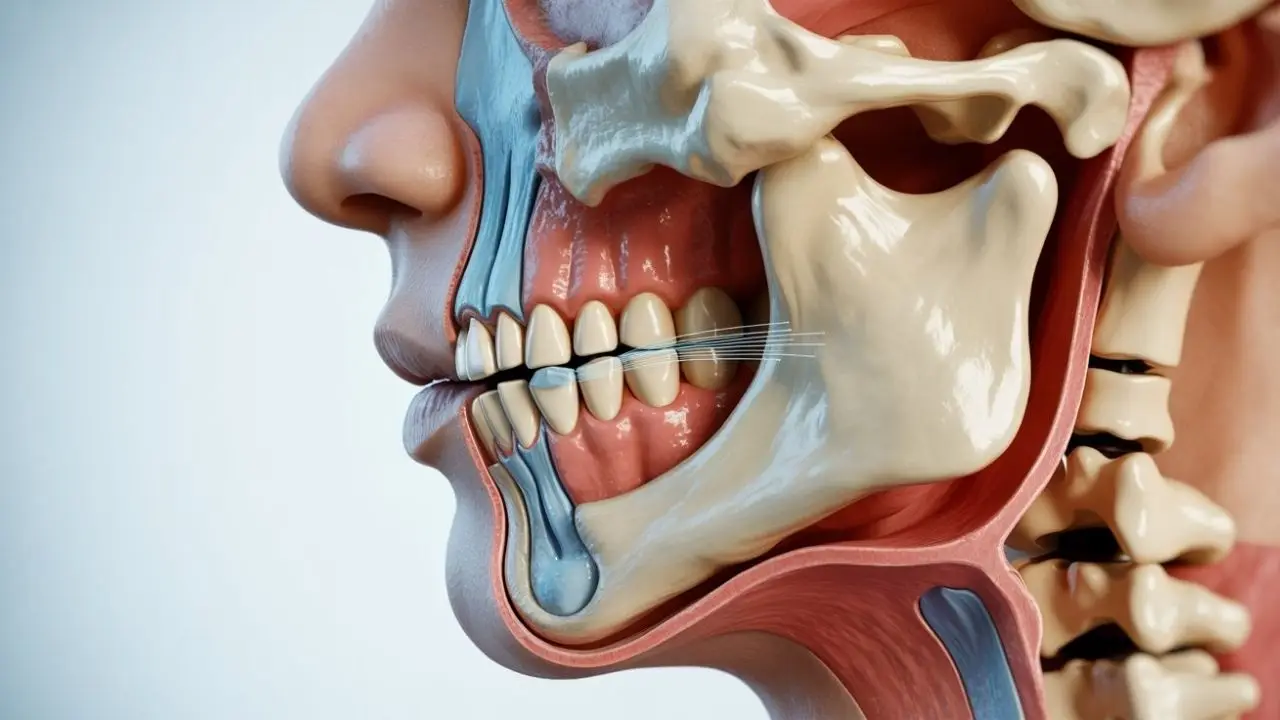
Zygomatic and facial implant swelling is a common occurrence after surgery. Patients often notice puffiness around the cheeks, eyes, and upper jaw in the first few days. This reaction forms part of the body’s natural healing response following procedures that involve the zygomatic bone and surrounding facial structures.
Understanding the typical timeline and what influences swelling helps set realistic expectations. Every individual heals differently, so personal assessment by a qualified healthcare professional remains essential throughout recovery.
What Causes Swelling After Zygomatic and Facial Implants?
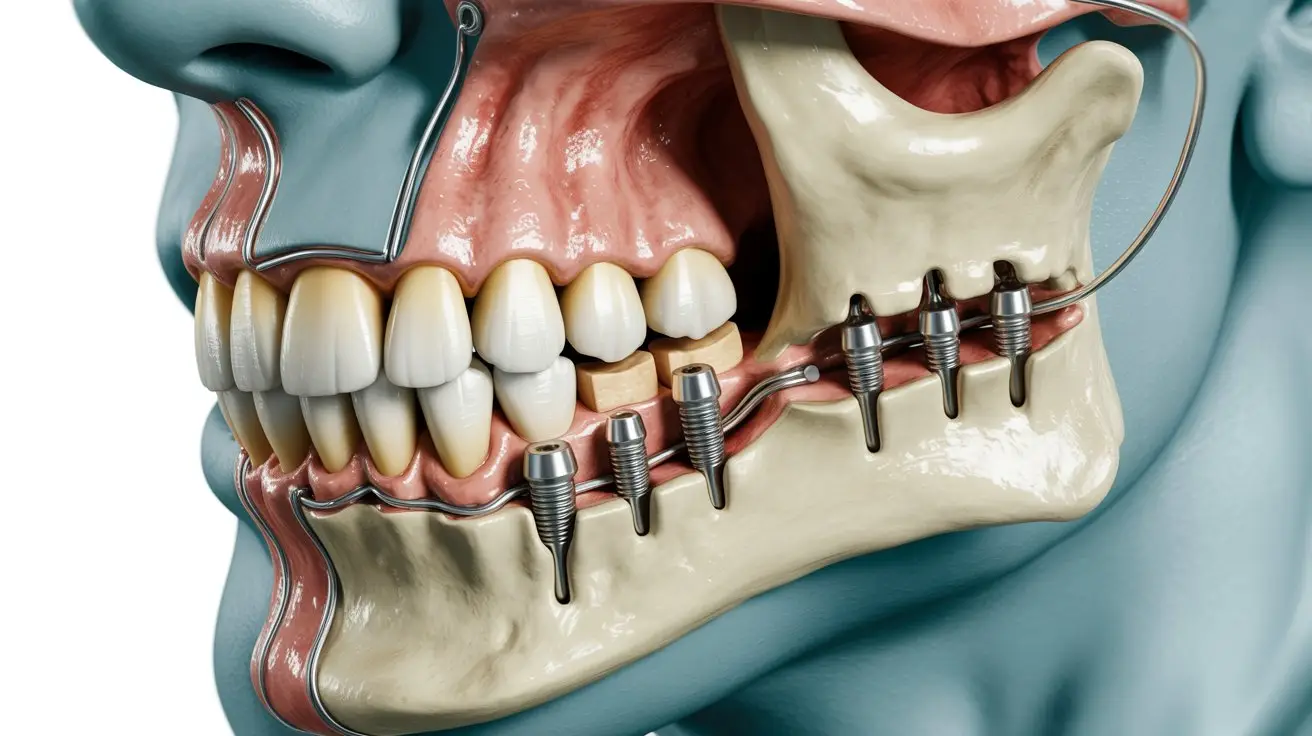
Swelling develops because the surgical site experiences tissue trauma during implant placement. The body sends extra fluid and immune cells to the area, which leads to visible puffiness. Factors such as the extent of bone preparation and soft-tissue manipulation can affect how much swelling appears.
- Length of the operation
- Number of implants placed
- Individual inflammatory response
- Use of bone graft materials
Is Swelling Normal After These Procedures?
Moderate swelling is considered a normal part of recovery after zygomatic and facial implant surgery. It usually peaks within 48 to 72 hours and then gradually decreases. Severe or one-sided swelling, however, should be evaluated promptly by a medical professional.
Typical Swelling Timeline
| Time Period | Expected Changes |
|---|---|
| First 48 hours | Swelling increases and reaches maximum level |
| Days 3–7 | Gradual reduction begins; bruising may appear |
| Weeks 2–4 | Majority of visible swelling subsides |
| Months 1–3 | Residual internal swelling continues to resolve |
How Can Patients Manage Swelling at Home?
Simple measures may help keep swelling under control during the early recovery phase. Cold compresses applied in short intervals, keeping the head elevated while resting, and avoiding strenuous activity are commonly recommended steps. Following all post-operative instructions provided by the surgical team supports smoother healing.
- Apply ice packs wrapped in cloth for 10–15 minutes
- Sleep with the head raised on extra pillows
- Stay hydrated and eat soft, nutritious foods
- Avoid smoking and alcohol
When Should Swelling Raise Concern?
While most swelling follows a predictable pattern, certain signs warrant immediate medical attention. Increasing pain, fever, or swelling that suddenly worsens after initial improvement may indicate complications. Timely evaluation helps protect overall health and implant success.
Factors That Influence Healing Speed
Age, general health status, and adherence to aftercare guidelines all play roles in how quickly swelling resolves. Patients with conditions such as diabetes or those taking certain medications may experience prolonged recovery. Regular follow-up visits allow the care team to monitor progress and adjust recommendations as needed.
Sık Sorulan Sorular
How long does zygomatic implant swelling usually last?
Most visible swelling improves within two to four weeks, though subtle internal changes may continue for several months. Exact duration varies between patients and depends on individual healing factors.
Is facial implant swelling different from zygomatic implant swelling?
Swelling patterns can overlap because both procedures affect mid-face tissues. Facial implants placed in the cheeks may cause more localized puffiness, while zygomatic implants often involve broader upper-jaw and cheek areas.
Can medication reduce swelling after surgery?
Prescribed anti-inflammatory medications and steroids may help limit swelling when taken according to instructions. Patients should never start or stop any medication without consulting their surgeon.
Does ice help zygomatic and facial implant swelling?
Cold therapy applied correctly in the first 48 hours can reduce discomfort and limit fluid buildup. Direct ice contact with skin should be avoided to prevent tissue injury.
When is it safe to resume normal activities?
Light daily tasks are often possible after one week, but intense exercise and heavy lifting are usually delayed for at least three to four weeks. The surgical team provides personalized guidance based on healing progress.
Should I contact my doctor if swelling persists beyond a month?
Persistent or asymmetric swelling after four weeks merits a professional review. Imaging or clinical examination may be needed to confirm that healing is proceeding normally.
Conclusion
Zygomatic and facial implant swelling is typically a temporary and expected part of recovery. Most patients see steady improvement over several weeks when they follow recommended aftercare. Individual results differ, and only a qualified healthcare provider can assess personal healing through examination and imaging.
Uzman Bilgisi
This content is prepared for general informational purposes in the field of oral and maxillofacial surgery. Prof. Dr. Celal Çandırlı’s more than 20 years of professional experience and training at England NHS Poole Hospital and Newcastle Freeman Hospital contribute to presenting the topic within a scientific and clinical framework.
This content is for general information purposes only and does not replace diagnosis or treatment. Please consult your dentist or relevant specialist healthcare professional for any concerns regarding oral, dental, and maxillofacial health.