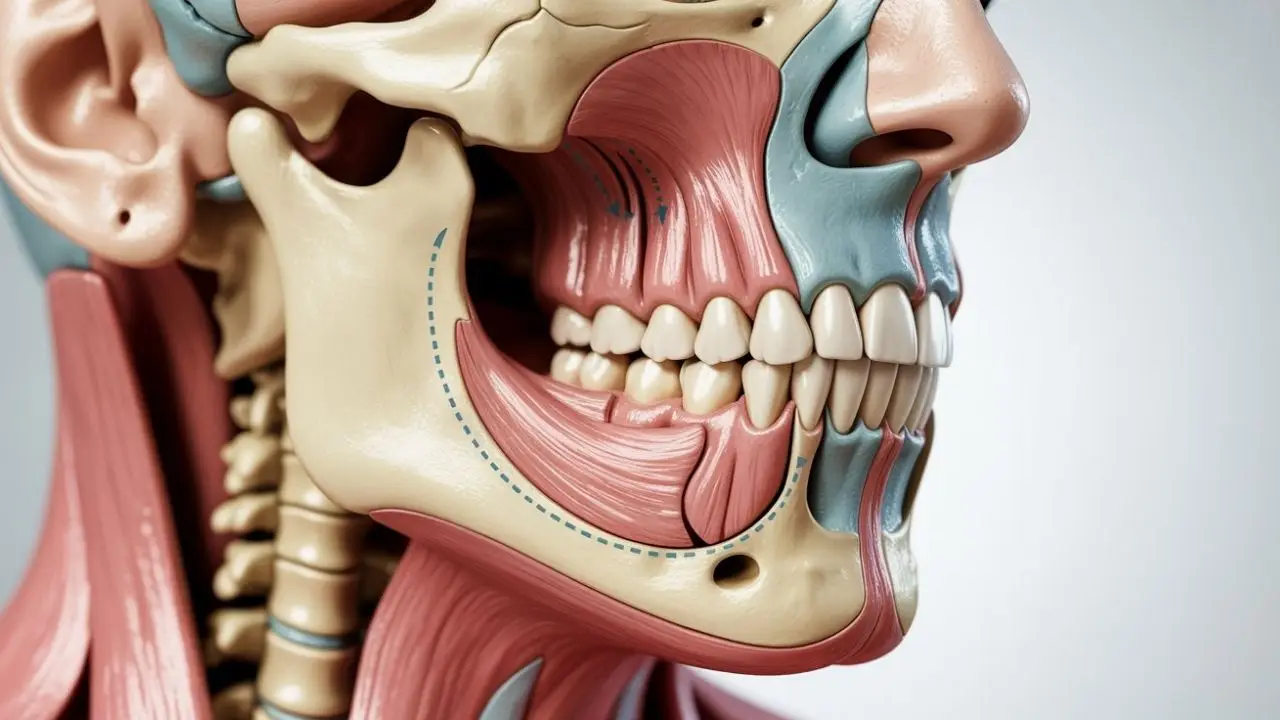
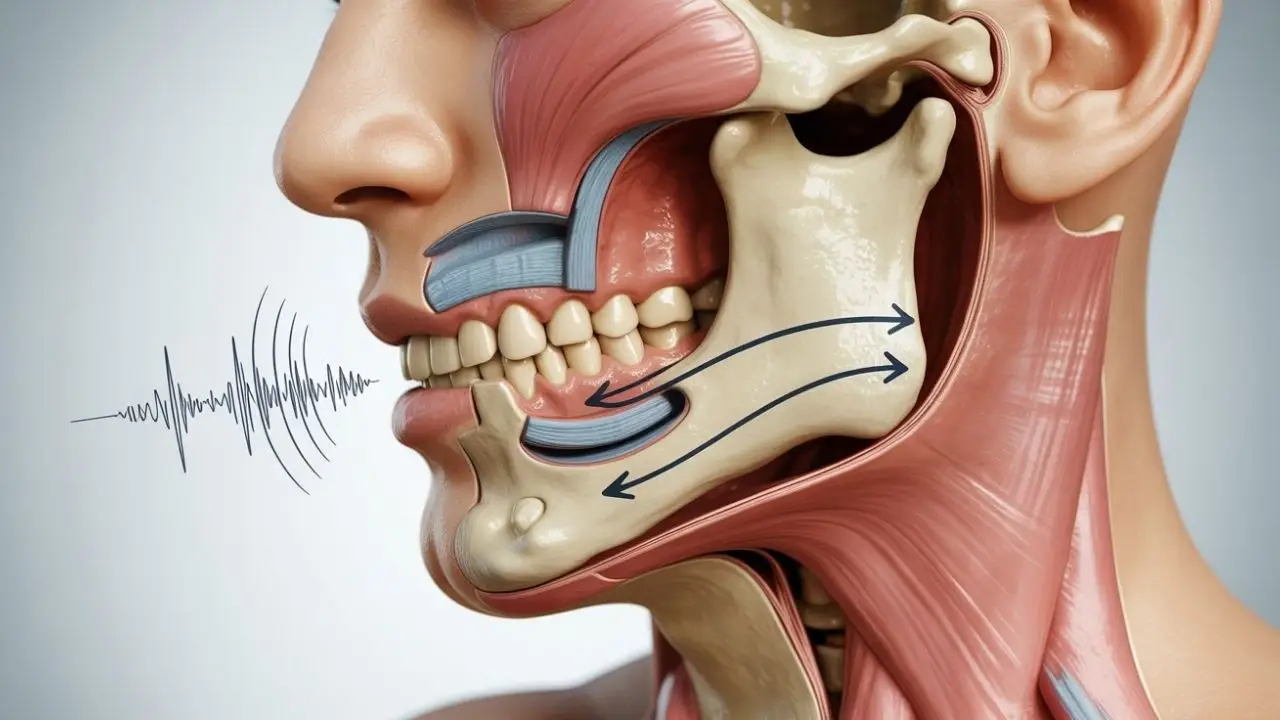
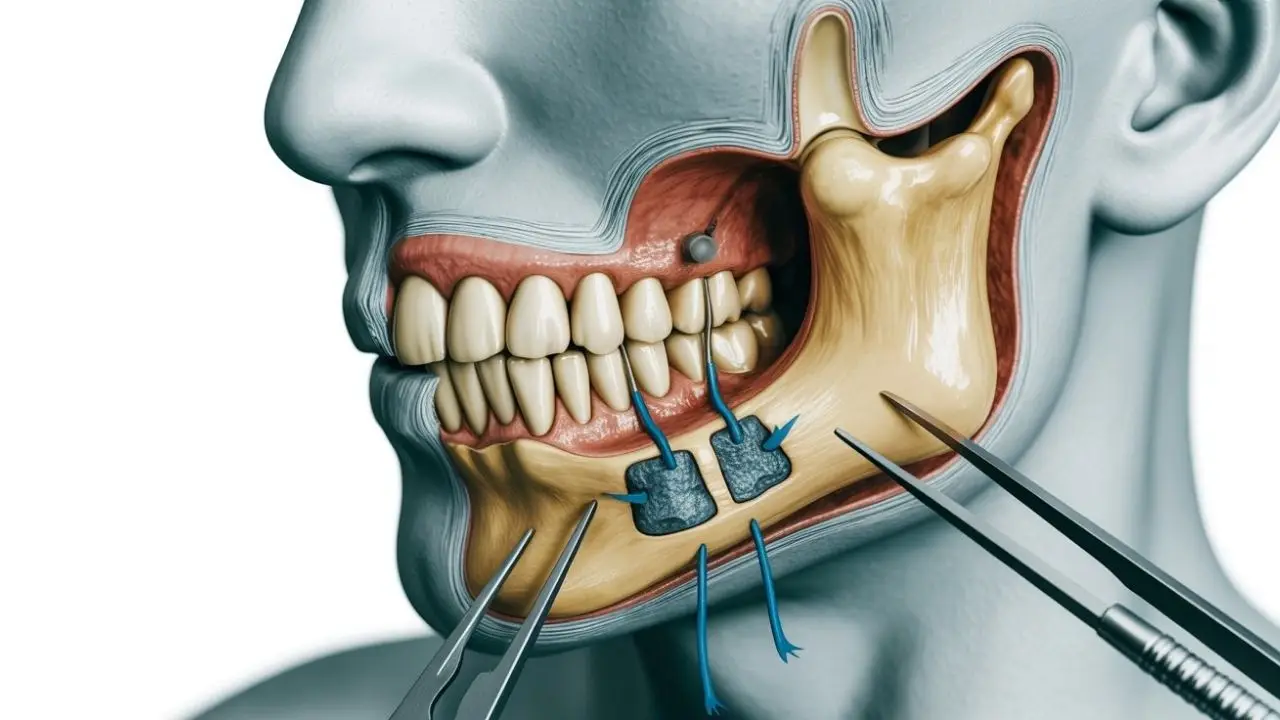
CT scans for jaw surgery play a critical role in modern maxillofacial diagnosis and treatment planning. By providing highly detailed, three-dimensional images of the jawbone, teeth, nerves, and surrounding structures, CT imaging allows surgeons to perform safer, more precise, and more predictable procedures.
What Is a CT Scan in Jaw Surgery?
A CT (Computed Tomography) scan is an advanced imaging technique that uses X-rays and computer processing to create cross-sectional and 3D images of the jaw and facial structures. Unlike standard dental X-rays, CT scans for jaw surgery offer a comprehensive view of bone density, anatomical variations, and critical nerve pathways.
How CT Scans Differ from Traditional Dental X-Rays
Traditional X-rays provide two-dimensional images, which can limit diagnostic accuracy. CT scans for jaw surgery, on the other hand, deliver detailed three-dimensional data that helps clinicians evaluate bone volume, joint structures, and complex anatomical relationships with much greater precision.
Why CT Scans Are Critical Before Jaw Surgery
Accurate preoperative assessment is essential for successful jaw surgery. CT scans for jaw surgery allow surgeons to identify potential risks, anticipate anatomical challenges, and design a customized surgical approach for each patient.
Precise Evaluation of Jawbone Anatomy
CT imaging enables detailed assessment of jawbone thickness, height, and density. This information is crucial when planning procedures such as orthognathic surgery, implant placement, or reconstructive jaw surgery.
Identification of Nerves and Vital Structures
One of the most important benefits of CT scans for jaw surgery is the clear visualization of nerves, blood vessels, and sinus cavities. Identifying these structures helps minimize the risk of nerve injury, sensory disturbances, or surgical complications.
CT Scans in Different Jaw Surgery
Role of CT Scans in Different Jaw Surgery Procedures
CT scans are widely used across various maxillofacial treatments, supporting both diagnostic accuracy and surgical precision.
CT Scans for Orthognathic (Corrective Jaw) Surgery
In corrective jaw surgery, CT scans allow surgeons to analyze jaw alignment, facial symmetry, and skeletal relationships. The data supports digital surgical planning, enabling precise repositioning of the jaws and improved functional and aesthetic outcomes.
CT Scans for Dental Implants and Bone Grafting
Before implant placement, CT scans for jaw surgery help determine bone availability and quality. They also guide the need for bone grafting and ensure optimal implant positioning while avoiding nerves and sinus structures.
CT Scans for TMJ and Pathological Conditions
CT imaging is valuable for evaluating temporomandibular joint disorders, cysts, tumors, fractures, and other jaw pathologies. Detailed visualization supports early diagnosis and appropriate surgical intervention.
Benefits of CT Scans for Patients and Surgeons
Benefits of CT Scans for Patients and Surgeons
The use of CT scans for jaw surgery improves both patient safety and surgical outcomes. By enabling accurate diagnosis and treatment planning, CT imaging reduces uncertainty and enhances procedural predictability.
Improved Surgical Accuracy and Safety
With precise anatomical data, surgeons can perform minimally invasive techniques, reduce surgical time, and lower the risk of complications. This leads to safer procedures and more reliable results.
Better Patient Communication and Treatment Planning
CT scan images help patients better understand their condition and proposed treatment. Visual explanations improve patient confidence, informed consent, and overall satisfaction with the surgical process.
Are CT Scans for Jaw Surgery Safe?
Modern CT scanners are designed to deliver high-quality images while minimizing radiation exposure. When clinically indicated, the diagnostic benefits of CT scans for jaw surgery far outweigh the potential risks.
Radiation Considerations and Safety Protocols
Advanced imaging centers follow strict radiation safety guidelines and use low-dose protocols whenever possible. CT scans are recommended only when necessary and tailored to the patient’s specific clinical needs.
Frequently Asked Questions (CT Scans in Modern Jaw Surgery)
CT scans for jaw surgery have become an essential component of contemporary maxillofacial care. By providing detailed anatomical insight, enhancing surgical precision, and improving patient outcomes, CT imaging supports safer and more effective jaw surgery planning. For both patients and clinicians, CT scans represent a critical step toward successful treatment results.
What is a CT scan for the jaw?
A jaw CT scan is an advanced imaging test that creates detailed cross-sectional and three-dimensional images of the jawbone, teeth, joints, nerves, and surrounding structures. It helps clinicians evaluate bone quality, anatomy, and potential problems that cannot be clearly seen on standard dental X-rays.
What CT to order for jaw?
The most commonly ordered scan for jaw evaluation is a Cone Beam CT (CBCT). CBCT is specifically designed for dental and maxillofacial imaging and provides high-resolution images with lower radiation exposure compared to conventional medical CT scans.
Is a CT scan necessary for tooth extraction?
A CT scan is not required for routine tooth extractions. However, it may be necessary for complex cases such as impacted wisdom teeth, teeth close to nerves or sinuses, or extractions involving abnormal anatomy. In these situations, CT imaging helps reduce surgical risks.
Is CT or MRI better for TMJ?
Both CT and MRI have specific roles in TMJ evaluation. CT scans are better for assessing bone structures and joint shape, while MRI is superior for visualizing soft tissues such as the cartilage disc, ligaments, and inflammation. The choice depends on the suspected cause of TMJ symptoms.
Why would a dentist request a CT scan?
A dentist may request a CT scan to obtain detailed information about jawbone structure, nerve location, sinus anatomy, or joint condition. CT scans are commonly used for implant planning, complex extractions, jaw pathology assessment, and surgical treatment planning.
What is the 80/20 rule in dentistry?
The 80/20 rule in dentistry is an informal principle suggesting that roughly 80% of dental problems may arise from 20% of contributing factors, such as poor oral hygiene or specific habits. It highlights the importance of addressing key risk factors to improve overall oral health.
How long does a jaw CT scan take?
A jaw CT scan is usually quick and painless. The scanning process typically takes less than one minute, although preparation and positioning may take a few additional minutes. Results are later reviewed by a dentist or specialist.
What tests are done before jaw surgery?
Before jaw surgery, patients may undergo clinical examinations, dental impressions or digital scans, X-rays, CT or CBCT imaging, and sometimes blood tests. These evaluations help ensure accurate diagnosis, safe surgical planning, and predictable outcomes.
Can I get an MRI if I’ve had jaw surgery?
In most cases, patients can safely undergo an MRI after jaw surgery. However, this depends on the type of surgical hardware used. Titanium plates and screws are generally MRI-safe, but it is important to inform the imaging center about any implants before the scan.
Can a dentist tell if you are intelligent?
No, a dentist cannot determine intelligence based on dental or oral examination. Dentists assess oral health, jaw function, and related anatomical factors, but intelligence or cognitive ability cannot be evaluated through dental findings.
What is the 2-2-2 rule in dentistry?
The 2-2-2 rule typically refers to oral hygiene recommendations: brushing teeth twice a day, for at least two minutes each time, and visiting the dentist every two times per year. It is a simple guideline to promote good dental health.
What is the 3-3-3 rule for teeth?
The 3-3-3 rule is a general oral health concept that may refer to brushing after meals within about 30 minutes, flossing once daily, and having dental checkups every 3 to 6 months. While interpretations vary, the goal is to encourage consistent oral care habits.