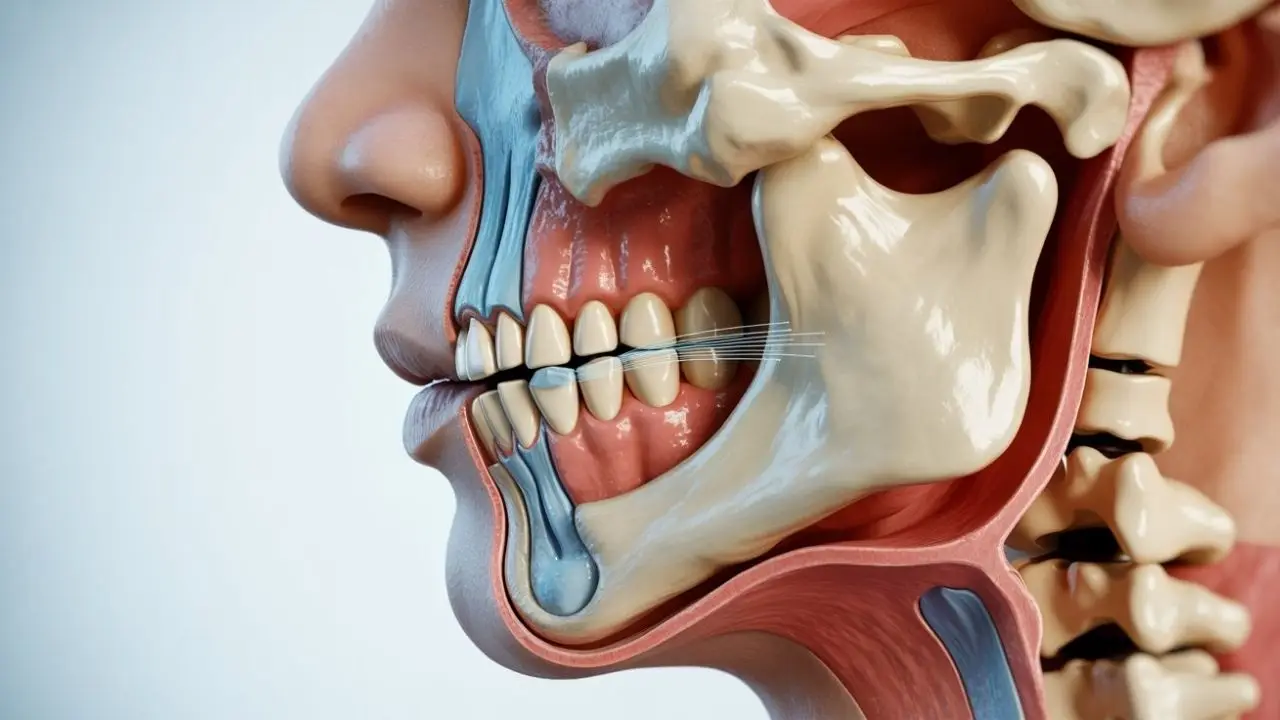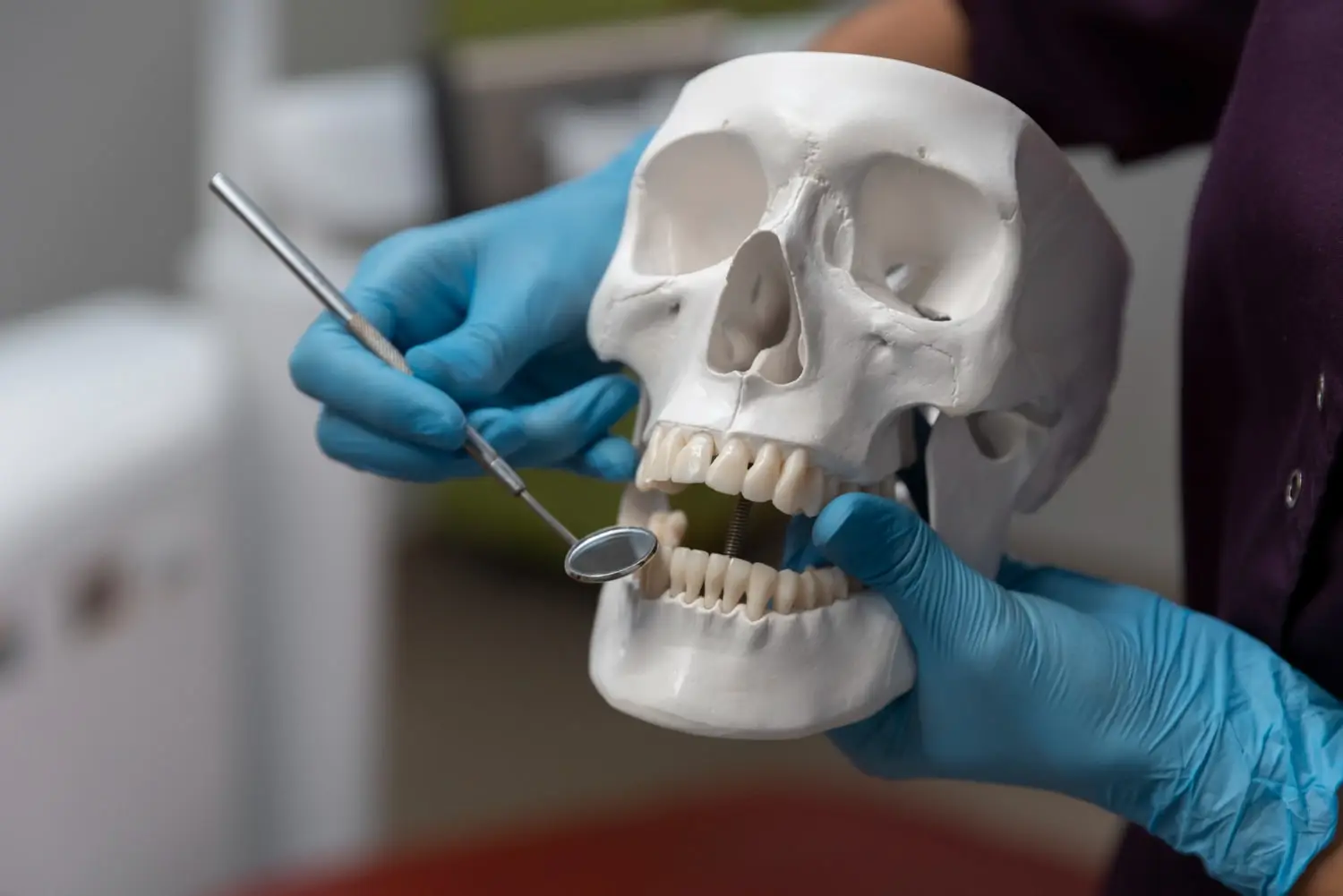
Commonly known as a “small jaw” or “weak chin,” retrognathia is a condition where the lower jawbone is anatomically positioned further back relative to the overall facial skeleton. This condition not only disrupts the aesthetic balance (the golden ratio) of the facial profile but also directly affects chewing, speech, and, most importantly, respiratory functions. While orthodontics and dermal fillers may provide temporary aesthetic benefits in mild cases, the permanent, healthy, and functional solution for pronounced skeletal jaw retrusion is provided by Orthognathic Surgery (Corrective Jaw Surgery).
Causes of a Receding Lower Jaw (Retrognathia) and Associated Problems
A receding lower jaw typically develops due to genetic predisposition, growth and developmental delays during childhood, or early tooth loss. This skeletal anomaly, which causes the lower third of the face to appear sunken or weak, brings along various functional problems that affect a person’s life in every aspect:
Airway Narrowing and Sleep Apnea: When the lower jaw is anatomically positioned backward, the base of the tongue and the soft tissues attached to it lean backward, narrowing the windpipe (airway). This paves the way for snoring, mouth breathing, and the condition known as Obstructive Sleep Apnea (OSA), which involves breathing pauses during sleep.
The Double Chin (Neck Sagging) Illusion: When the projection (forward prominence) of the lower jawbone is weak, there is no skeletal support to keep the skin under the neck taut. As a result, even if the patient is very thin, they continuously present a “double chin” and a sagging neck appearance.
Bite Disorders and TMJ Pain: Because the lower jaw is set back, the upper teeth excessively overlap the lower teeth (Overbite). The inability to bite and tear food properly places an asymmetrical load on the jaw joint (Temporomandibular Joint – TMJ), leading to chronic joint pain over time.
When Are Fillers and Camouflage Treatments Insufficient?
Today, jawline fillers or orthodontic camouflage (attempting to close the gap merely by changing the inclination of the teeth) are often applied to conceal a receding lower jaw without surgery.
If the patient’s skeletal retrusion is very mild, these methods can yield satisfactory aesthetic results. However, attempting to bring the jaw forward with fillers in moderate to severe bone retrusion adds excessive volume to the face, resulting in an unnatural, puffy, and disproportionate appearance. Similarly, braces treatments that force the teeth to move without altering the bone size cannot resolve skeletal breathing (sleep apnea) and double chin issues.
The Permanent Solution: Double Jaw Surgery (Orthognathic Surgery)
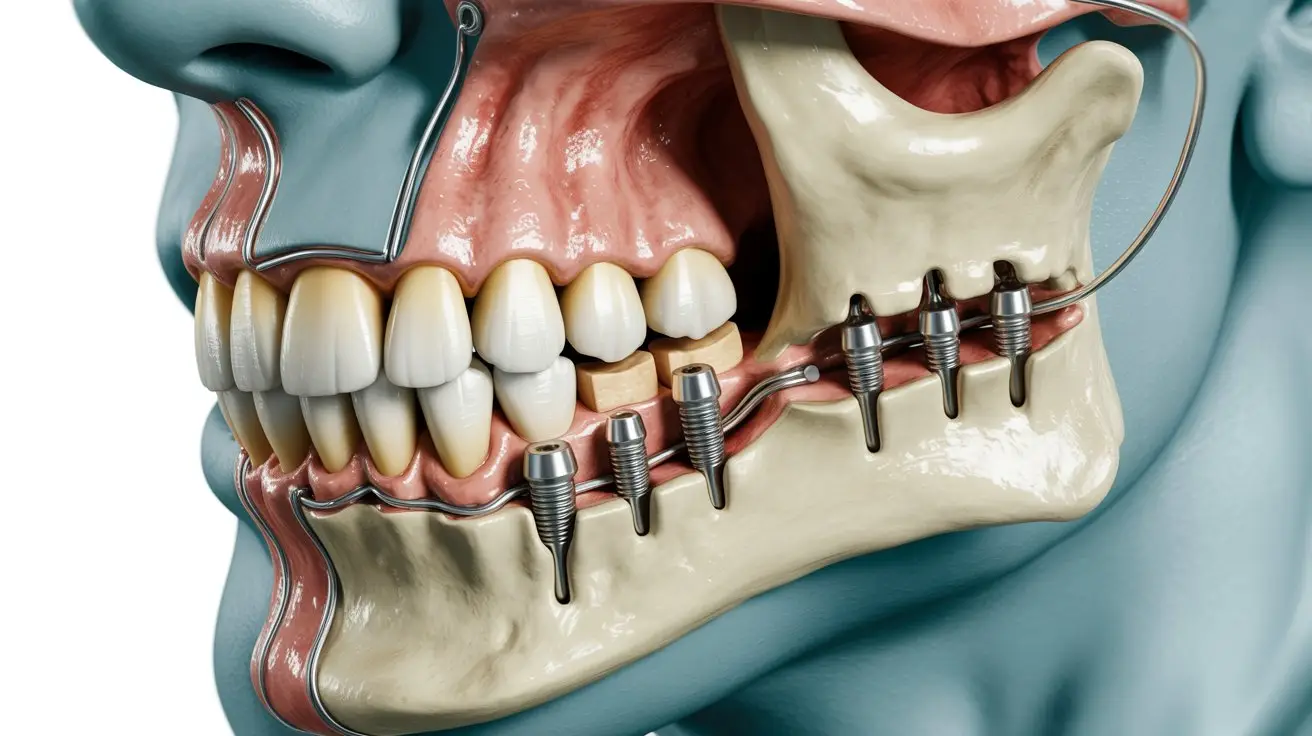
The most effective, functional, and permanent medical solution for a receding lower jaw is Orthognathic Surgery. In many cases of lower jaw retrusion, to achieve the most flawless bite and facial profile (golden ratio) and to maximize airway expansion, Double Jaw Advancement (Bimaxillary Osteotomy) surgeries—where both the upper and lower jaws are moved forward together—are preferred.
Prof. Dr. Celal Çandırlı calculates exactly how many millimeters the upper and lower jaws need to be advanced digitally using 3D Virtual Surgical Planning (VSP) technology prior to the surgery.
As the bone is surgically moved forward, the neck muscles, the base of the tongue, and the skin attached to the bone are also pulled forward. This tightens the neck, eliminating the double chin appearance, dramatically opens the airway, and provides the patient with a highly strong and defined jawline aesthetically. Since all incisions are made intraorally (inside the mouth through the gums), there are no external scars on the facial region.
Comparison of Treatment Methods
| Feature | Temporary Solutions (Fillers / Camouflage Orthodontics) | Double Jaw Surgery (Orthognathic Surgery) |
| Longevity | Fillers dissolve in 8-12 months. Camouflage braces treatments can relapse. | Results are lifelong as the bone skeleton is reconstructed. |
| Effect on Respiration (Airway) | Interventions under the skin or on the teeth do not expand the airway. | Expands the windpipe by pulling the base of the tongue forward, treating sleep apnea. |
| Neck (Double Chin) Aesthetics | Does not correct the sagging double chin appearance as it adds no skeletal support. | The neck skin naturally tightens and recovers as the jawbone comes forward. |
| Facial Proportion & Aesthetics | Using excessive filler to enlarge the jaw can make the face look wide and puffy. | Achieves the skeletal golden ratio and a natural, sharp jawline. |
Frequently Asked Questions (FAQ)
Can a receding lower jaw be fixed with just a chin implant (prosthesis)?
If the occlusion (bite) of the patient’s upper and lower teeth is perfect, there are no joint issues, and the problem stems solely from the size of the chin point; advancing the chin (Genioplasty) or Custom 3D Implants may be aesthetically sufficient. However, if the bite is misaligned and the entire lower jawbone is retruded, merely placing an implant at the tip will not resolve the functional problems (chewing, breathing).
Will there be a major change in my face after jaw surgery?
Yes. Moving the retruded jaws into their correct and ideal anatomical positions will make your facial profile much more balanced, strong, and aesthetic. Advancing the lower jaw positively alters the character of your face, giving it a more energetic and dynamic expression.
Will I be able to use my teeth immediately after the surgery?
Thanks to the modern titanium plates and fixation screws used today, the jaws are not completely locked together (wired shut) for long periods as they were in the past. You can begin eating soft foods shortly after the surgery and return to your normal chewing function within weeks, following your doctor’s guidelines.
Does jaw advancement surgery completely cure sleep apnea?
Yes. Maxillomandibular Advancement (Double Jaw Advancement) surgery is the most effective surgical treatment known in the medical world for Obstructive Sleep Apnea (OSA) patients, especially those with skeletal narrowing. When the jaws are brought forward, the airway mechanically expands, and many patients are freed from the necessity of using a CPAP (breathing) machine.
To analyze the severity of your lower jaw retrusion with 3D tomography and scientifically evaluate your permanent (orthognathic or camouflage) treatment options, you can contact the Prof. Dr. Celal Çandırlı clinic.