Orthognathic Surgery for Achieving Dental and Jaw Harmony
Orthognathic surgery is a specialized procedure that can help correct misalignments between the upper and lower jaws. This approach addresses both functional issues and aesthetic concerns related to facial balance. The following sections explain the general process, possible indications, and points to consider before any decision is made.
What Is Orthognathic Surgery?
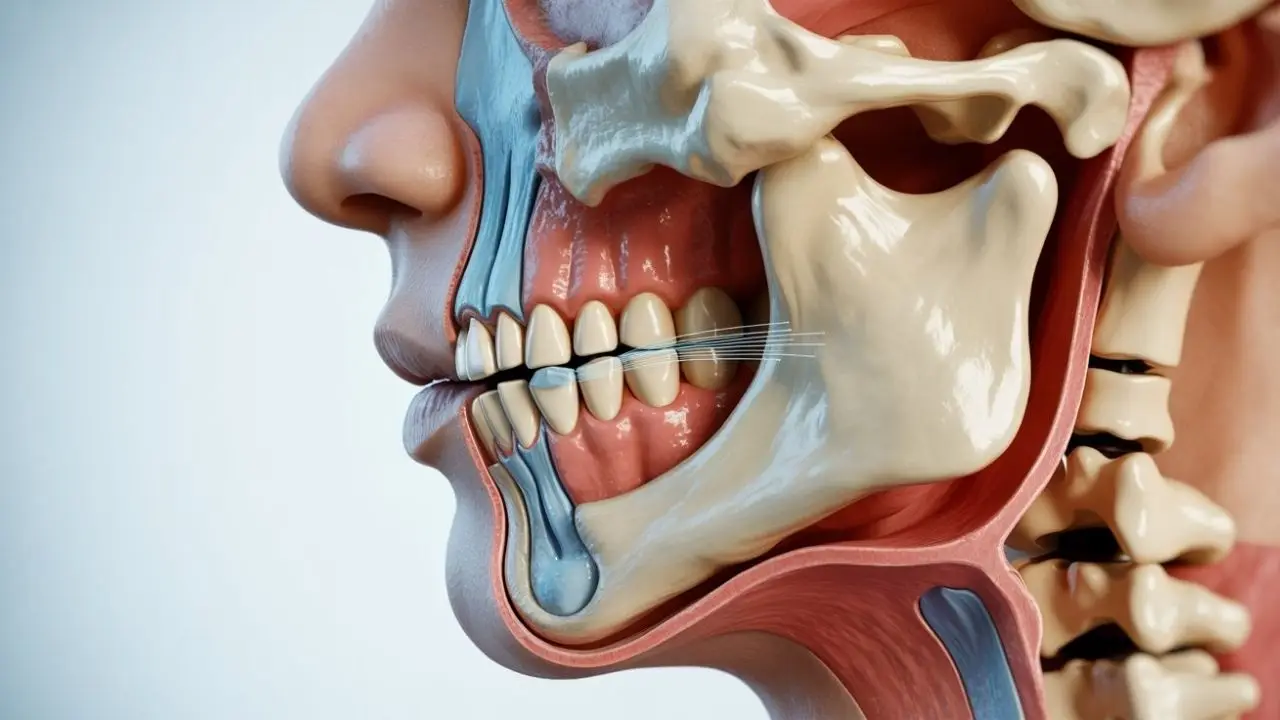
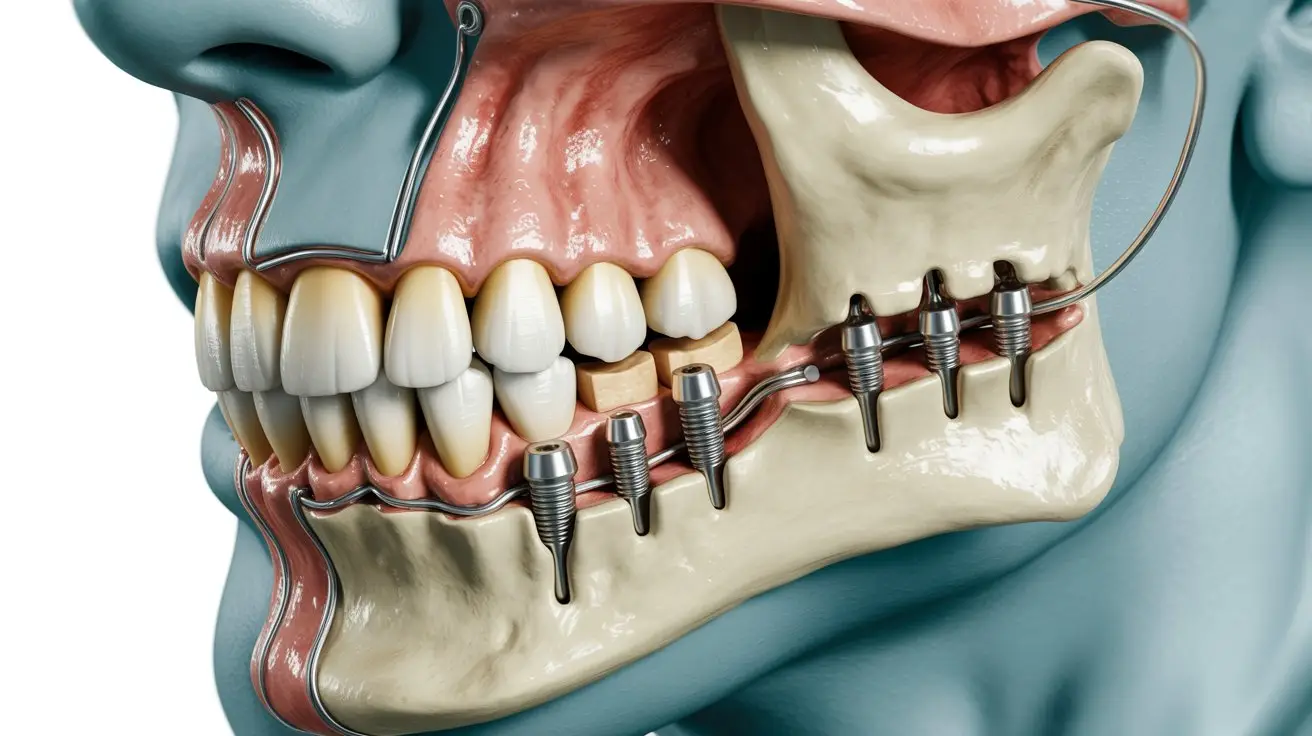
Orthognathic surgery, also known as jaw correction surgery, repositions the jaws to improve their relationship with the teeth and facial structures. It is typically performed after growth has stopped and when orthodontic treatment alone cannot achieve the desired alignment. The goal is to support better chewing, breathing, and overall dental harmony.
When Might Orthognathic Surgery Be Considered?
Severe bite discrepancies, facial asymmetry, or breathing difficulties linked to jaw position may prompt evaluation. Patients with conditions such as significant overbite, underbite, or open bite that persist after orthodontic preparation are sometimes assessed for this option. Each case requires detailed imaging and clinical review to determine suitability.
- Difficulty chewing or swallowing
- Chronic jaw pain or temporomandibular joint issues
- Obstructive sleep apnea related to jaw structure
- Visible facial imbalance affecting daily function
General Evaluation Process
Before any surgical plan, a combination of clinical examination, three-dimensional imaging, and dental models is used. Orthodontic preparation often precedes the procedure to align teeth within each jaw. The surgical phase then repositions the bones, and post-operative orthodontics fine-tunes the bite.
| Stage | General Description |
|---|---|
| Pre-surgical orthodontics | Aligns teeth within each jaw over several months |
| Surgical planning | Uses imaging to map bone movements |
| Procedure | Performed under general anesthesia in a hospital setting |
| Recovery | Swelling subsides over weeks; soft diet required initially |
Points to Consider Regarding Suitability
Not every patient with jaw imbalance is a candidate. Factors such as overall health, bone quality, and the presence of active dental disease must be evaluated. Individuals with certain systemic conditions may need additional medical clearance.
Possible Risks and Recovery Considerations
As with any major surgery, orthognathic surgery carries risks including infection, nerve changes, and relapse. Recovery involves swelling, dietary restrictions, and follow-up appointments. Long-term stability depends on individual healing and ongoing dental care.
Frequently Asked Questions
Is orthognathic surgery suitable for everyone with bite problems?
Orthognathic surgery is not appropriate for all bite issues. Suitability depends on the severity of the skeletal discrepancy, age, and overall health, which must be assessed through clinical examination and imaging.
How long does recovery from orthognathic surgery usually take?
Initial swelling decreases within two to three weeks, while full bone healing may require several months. Patients typically return to normal activities gradually under professional guidance.
Can orthognathic surgery improve facial aesthetics?
By correcting jaw position, orthognathic surgery may enhance facial balance and harmony. Results vary according to individual anatomy and treatment goals established during planning.
Does orthognathic surgery always require braces before and after?
Most treatment plans include orthodontic preparation and finishing phases to ensure proper tooth positioning relative to the new jaw alignment. Exact timing depends on the specific case.
What alternatives exist if orthognathic surgery is not chosen?
Alternatives may include orthodontic camouflage, prosthetic solutions, or continued monitoring. The most appropriate option can only be determined after thorough professional evaluation.
Conclusion
Orthognathic surgery offers one pathway to address significant jaw discrepancies that affect function and dental harmony. Decisions about this procedure require individualized assessment, including imaging and discussion with qualified specialists. Personal circumstances and health status ultimately guide whether this approach is reasonable.
Uzman Bilgisi
Bu içerik, ağız, diş ve çene cerrahisi alanında bilgilendirme amacıyla hazırlanmıştır. Prof. Dr. Celal Çandırlı’nın 20 yılı aşkın mesleki deneyimi, İngiltere NHS Poole Hospital ve Newcastle Freeman Hospital eğitim geçmişi, konunun bilimsel ve klinik çerçevede ele alınmasına katkı sağlar.
This content is for general informational purposes only and does not replace professional diagnosis or treatment. Consult a qualified healthcare provider for any concerns regarding oral, dental, or jaw health.