Orthognathic Surgery: What to Know Before and After
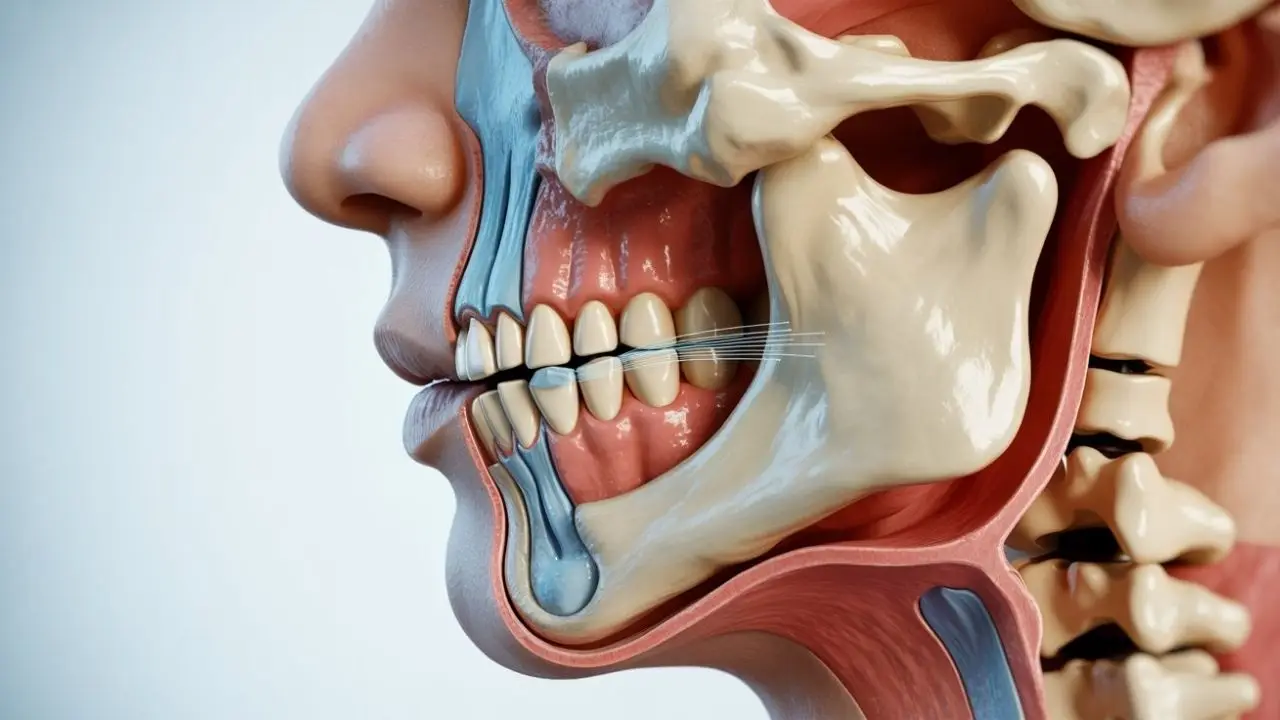
Orthognathic surgery, commonly referred to as jaw surgery, is a corrective procedure used to address significant misalignments of the upper and lower jaws. This type of surgery may be considered when orthodontic treatment alone cannot resolve functional or structural issues with the bite.
Patients often explore orthognathic surgery to improve chewing, breathing, or speech. The decision to proceed involves detailed evaluation by specialists, and each case differs based on individual anatomy and health status.
This article outlines general information about preparation, the process, and recovery after orthognathic surgery without providing personalized advice.
What Is Orthognathic Surgery?
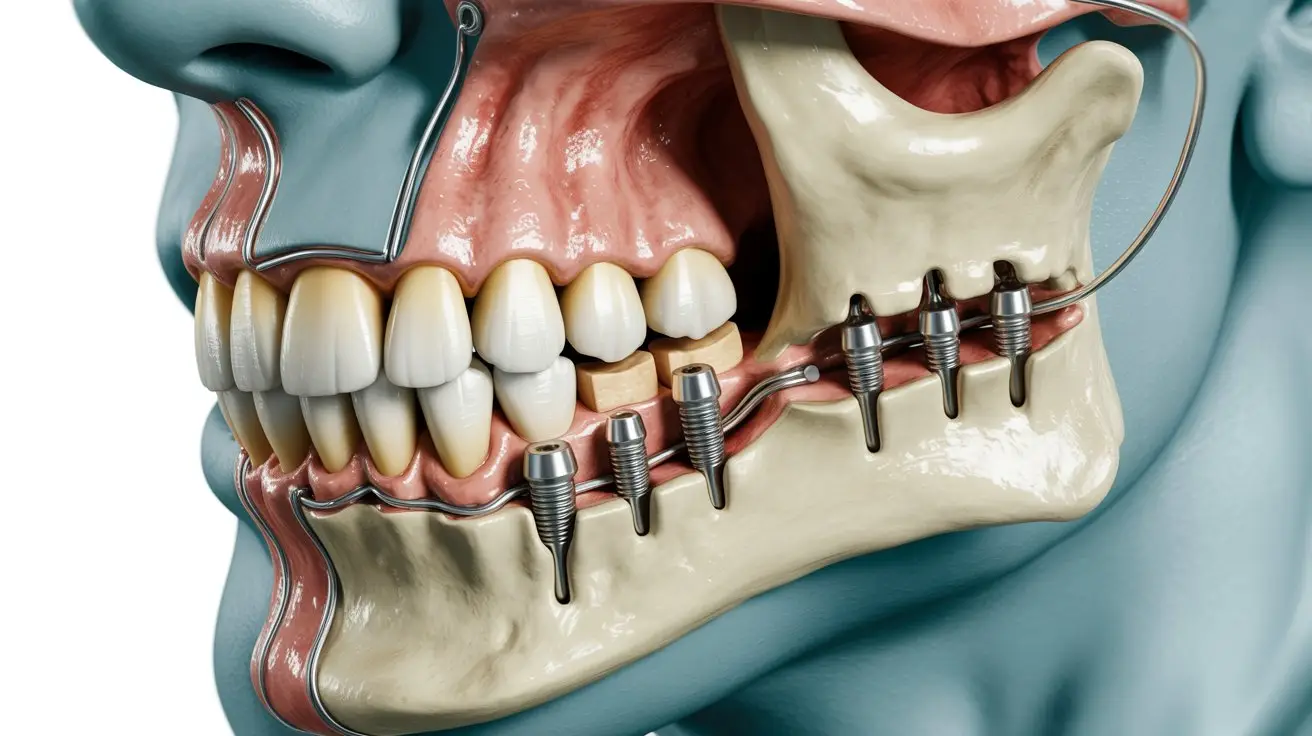
Orthognathic surgery repositions the jaws to achieve better alignment. It is typically performed in a hospital setting under general anesthesia. The procedure may involve the upper jaw, lower jaw, or both, depending on the specific skeletal discrepancy.
Evaluation Before Orthognathic Surgery
Before orthognathic surgery, several assessments help determine suitability. These include clinical examination, three-dimensional imaging, and dental models. Orthodontic preparation often occurs for several months prior to the operation.
- Review of medical history and current medications
- Assessment of airway and temporomandibular joint function
- Discussion of expected changes in facial appearance and bite
General Process and Timeline
The surgical phase usually lasts a few hours. Hospital stay ranges from one to several days. Swelling and discomfort are common in the initial weeks, and full recovery of jaw function may take several months.
| Stage | General Description |
|---|---|
| Pre-surgical orthodontics | Teeth are aligned to prepare for jaw repositioning |
| Surgery day | Jaws are moved and secured with plates and screws |
| Early recovery | Liquid or soft diet for several weeks |
| Long-term follow-up | Continued orthodontic adjustments and monitoring |
Considerations After Orthognathic Surgery
Recovery after orthognathic surgery requires patience and adherence to post-operative instructions. Nutrition, oral hygiene, and activity restrictions are important during healing. Regular follow-up appointments help track progress.
Potential Risks and Limitations
As with any surgical intervention, orthognathic surgery carries possible risks such as infection, nerve changes, or relapse. Outcomes vary, and not every patient experiences the same results. Personal medical evaluation remains essential.
Sık Sorulan Sorular
How long does recovery from orthognathic surgery usually take?
Initial healing occurs over six to eight weeks, while complete bone remodeling and bite stabilization may continue for up to twelve months.
Is orthognathic surgery suitable for everyone with jaw misalignment?
Orthognathic surgery is not appropriate for all cases. Suitability depends on skeletal maturity, overall health, and the severity of the jaw discrepancy.
What type of diet is followed after orthognathic surgery?
A liquid or soft diet is typically recommended for the first several weeks to protect the surgical sites during early healing.
Can orthognathic surgery be performed without prior orthodontics?
Most treatment plans include pre-surgical orthodontic alignment to ensure the jaws fit correctly after repositioning.
Will there be visible changes in facial appearance after jaw surgery?
Some changes in facial contour are expected, though the extent varies according to the movements performed and individual anatomy.
Why is a thorough evaluation required before orthognathic surgery?
Comprehensive assessment with imaging and clinical examination helps identify whether orthognathic surgery is a reasonable option and what alternatives may exist.
Conclusion
Orthognathic surgery can be one option for correcting certain jaw discrepancies when other approaches are insufficient. The decision requires careful individual assessment, and patients are encouraged to discuss all aspects with qualified specialists.
Expert Information
This content is prepared for general informational purposes in the field of oral and maxillofacial surgery. Prof. Dr. Celal Çandırlı’s more than twenty years of professional experience and training at England NHS Poole Hospital and Newcastle Freeman Hospital contribute to the scientific and clinical perspective presented.
This content is for general informational purposes only and does not replace diagnosis or treatment. For any concerns regarding oral, dental, or jaw health, consult your dentist or an appropriate specialist healthcare professional.