TMJ Pain: Causes and Treatment Options
TMJ pain refers to discomfort in the temporomandibular joint that connects your jaw to the skull. This condition can interfere with daily activities such as chewing, speaking or yawning. Understanding the possible causes helps you recognize when to seek professional evaluation.
Jaw pain often stems from multiple factors and varies between individuals. General information about TMJ pain can raise awareness, yet only a qualified specialist can assess your specific situation through examination and imaging.
What Is TMJ Pain?
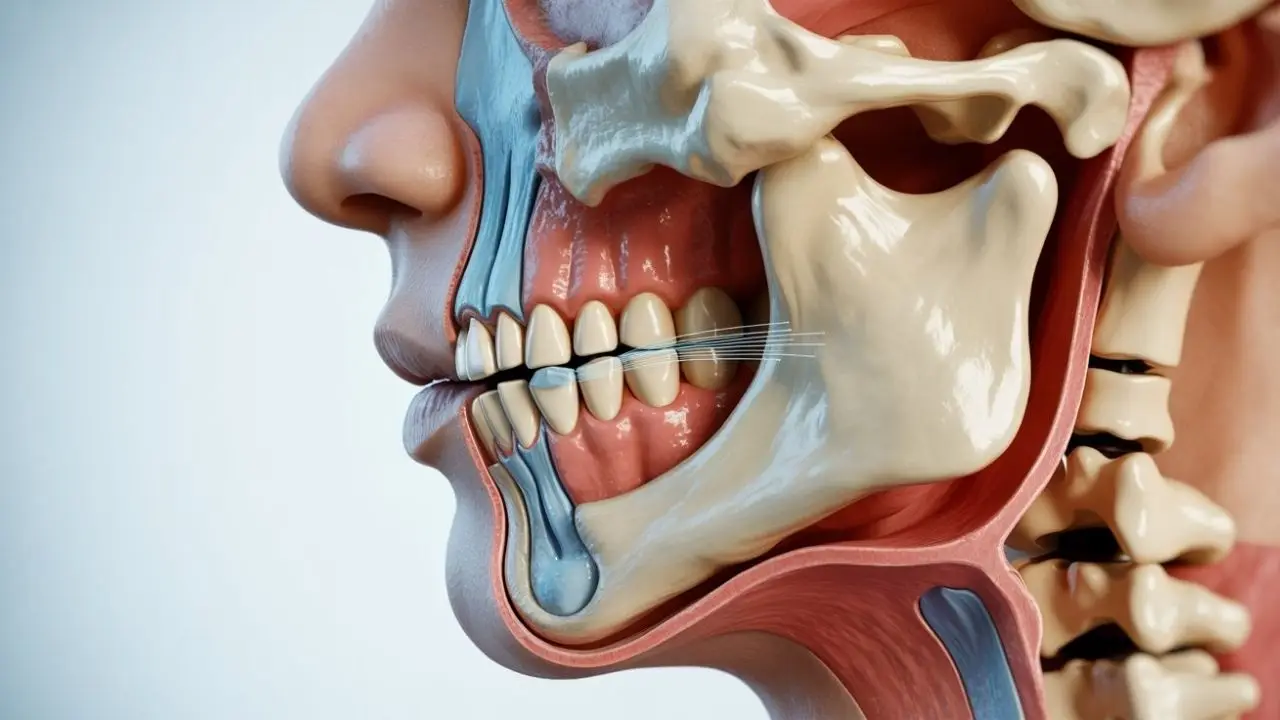
The temporomandibular joint allows smooth movement of the lower jaw. When this joint or the surrounding muscles become irritated, you may experience tmj pain along with clicking sounds, limited opening or tenderness. TME is the Turkish abbreviation for the same joint structure.
Common Causes of TMJ Pain
Several elements can contribute to jaw pain. These include teeth grinding, stress-related muscle tension, arthritis, previous injury or misalignment of the bite. Each person’s combination of factors differs, so individual assessment remains essential.
- Bruxism or nighttime clenching
- Arthritis affecting the joint surfaces
- Direct trauma to the jaw or face
- Chronic stress leading to muscle tightness
- Structural bite discrepancies
General Treatment Approaches for TMJ Pain
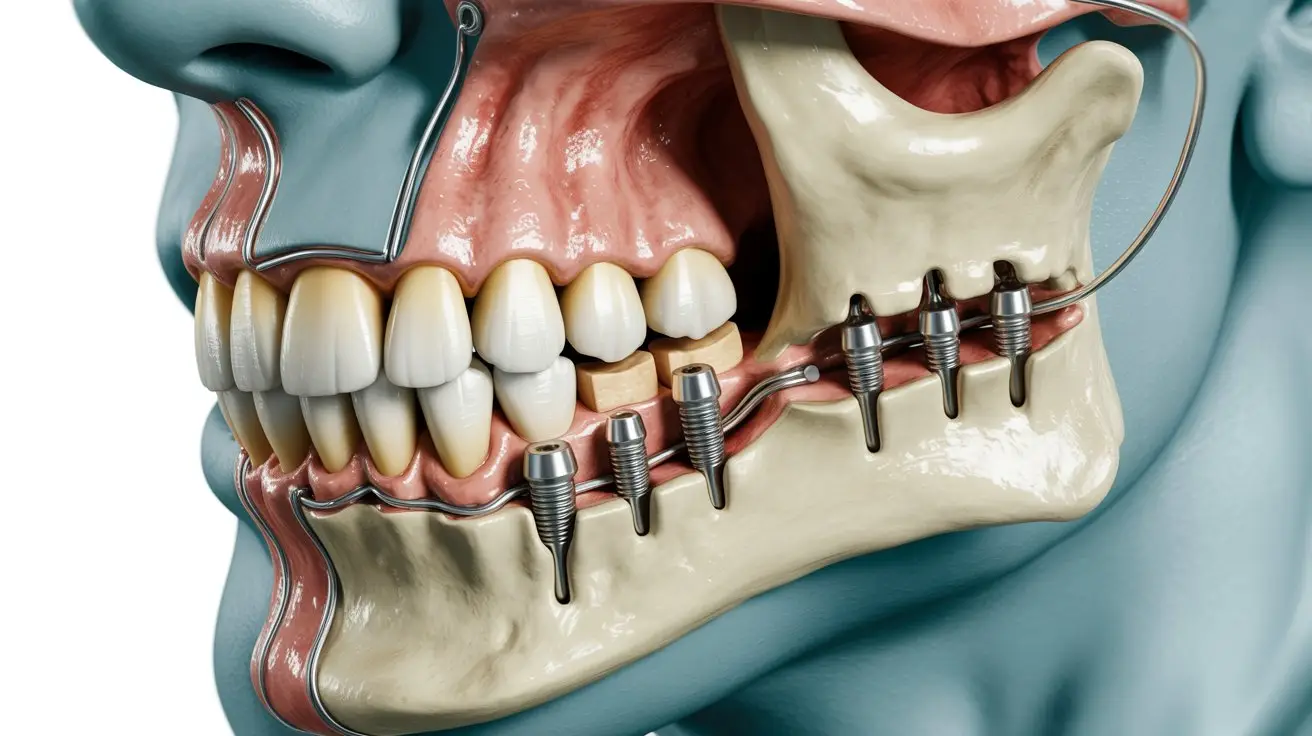
Initial steps often focus on conservative measures such as soft diet, warm compresses and stress management. When symptoms persist, additional options like physical therapy, custom splints or medication may be discussed. In selected cases joint treatment may involve more advanced interventions.
| Approach | General Description |
|---|---|
| Conservative care | Lifestyle adjustments and self-management techniques |
| Occlusal splints | Devices that may reduce grinding and improve jaw position |
| Physical therapy | Exercises aimed at improving mobility and reducing tension |
| Medication | Short-term use of anti-inflammatory or muscle-relaxant drugs |
| Jaw surgery | Considered only after thorough evaluation when structural correction is needed |
When Might Jaw Surgery Be Discussed?
Jaw surgery is rarely the first option for tmj pain. It may enter consideration when imaging reveals significant structural problems that do not respond to other joint treatment methods. Suitability always depends on detailed clinical findings and your overall health status.
Why Personal Evaluation Matters
Imaging and clinical examination help determine whether your symptoms relate to muscle issues, joint degeneration or other factors. Self-diagnosis is not reliable; professional assessment provides clearer guidance on appropriate next steps.
Frequently Asked Questions
Can stress directly cause tmj pain?
Stress can increase jaw muscle tension and clenching, which may contribute to tmj pain in some individuals. Managing stress levels sometimes reduces symptom frequency.
Is jaw surgery necessary for most people with jaw pain?
Jaw surgery is typically reserved for specific structural conditions that have not improved with conservative joint treatment. Most cases begin with non-surgical approaches.
How long does tmj pain usually last?
Duration varies widely. Some episodes resolve within weeks while others require longer management. Only a clinical review can give insight into your particular timeline.
Are there exercises that help tmj pain?
Gentle jaw stretches and relaxation techniques are sometimes recommended by therapists. Proper instruction from a trained professional is important to avoid worsening symptoms.
Can bite problems lead to tmj pain?
Misalignment of the teeth may place uneven stress on the joint and muscles, potentially contributing to jaw pain. Orthodontic or restorative evaluation can clarify this factor.
Should I avoid certain foods if I have tmj pain?
Hard or chewy items may increase discomfort during flare-ups. A softer diet is often suggested temporarily while symptoms are assessed.
Conclusion
TMJ pain can arise from several causes and may respond to different joint treatment strategies. Because each case is unique, personal examination and imaging remain the only reliable way to understand your condition and discuss suitable options.
Expert Information
This content is prepared for general informational purposes in the field of oral and maxillofacial surgery. Prof. Dr. Celal Çandırlı’s more than 20 years of experience and training at England NHS Poole Hospital and Newcastle Freeman Hospital support the scientific framing of the topic.
This content is for general information only and does not replace diagnosis or treatment. Please consult a dentist or specialist for any jaw pain concerns.