Can Dental Implants Be Placed with Significant Bone Loss?
Bone loss implant options are often discussed when patients experience jawbone deterioration after tooth loss or periodontal disease. In such cases, standard implant placement may require additional planning because sufficient bone volume is typically needed for stability. This article explains general considerations without offering personalized advice.
Readers frequently ask whether implants remain possible when the jawbone has resorbed. Several approaches exist, yet suitability always depends on individual clinical findings obtained through examination and imaging. The following sections outline common evaluation points and alternatives that clinicians may discuss.
What Causes Jawbone Loss Before Implant Planning?
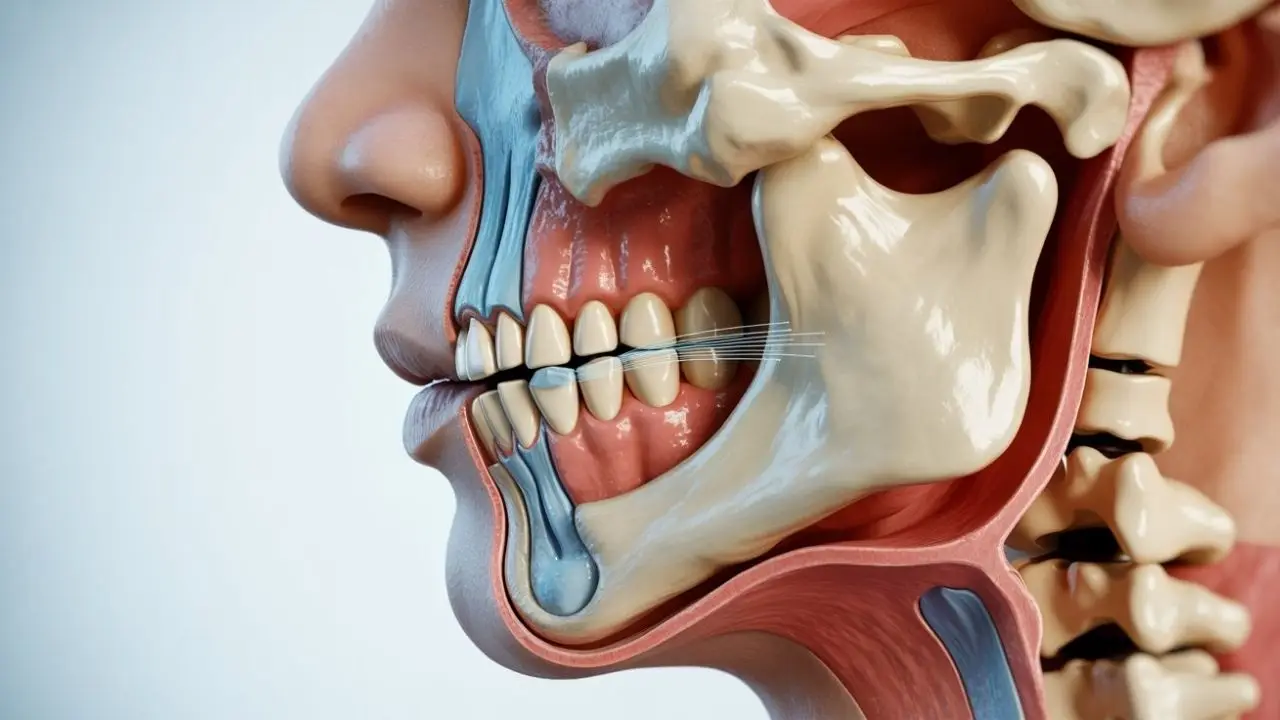
Jawbone resorption can develop after tooth extraction, long-term denture use, trauma, or chronic infection. The alveolar bone gradually shrinks when it no longer receives stimulation from natural tooth roots. Over time, this reduction may limit the space available for conventional implant placement.
General health conditions such as osteoporosis or certain medications can also influence bone density. Early detection through radiographic assessment helps determine the extent of loss and guides further decisions.
How Is Implant Suitability Evaluated in Bone Loss Cases?
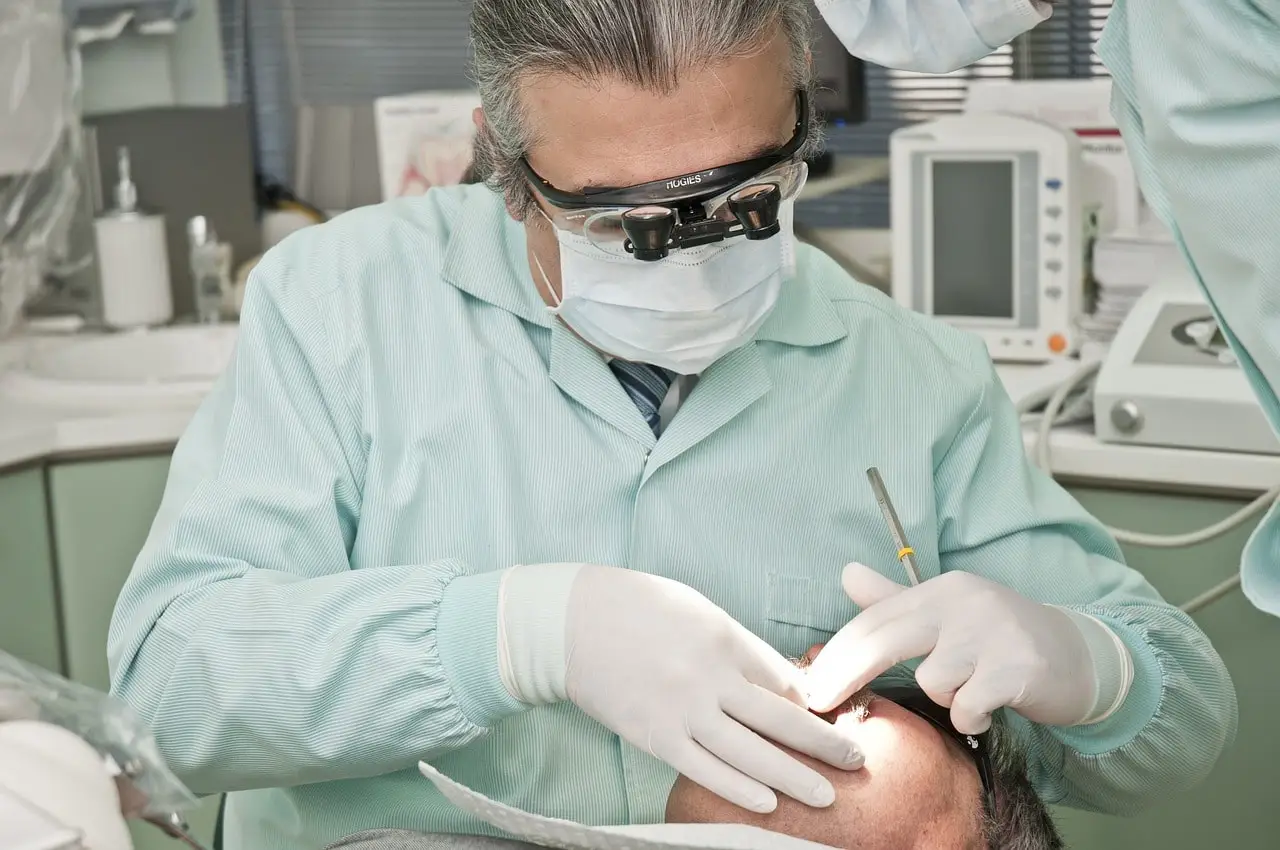
Clinicians usually begin with a detailed medical history and intraoral examination. Three-dimensional cone-beam computed tomography scans provide precise measurements of remaining bone height and width. These images allow assessment of both the quantity and quality of available bone.
- Measurement of residual bone volume in millimeters
- Evaluation of sinus proximity in the upper jaw
- Review of systemic health factors
- Discussion of previous dental treatments
Only after these steps can any treatment pathway be considered appropriate for a specific patient.
Which Approaches May Be Discussed When Bone Is Limited?
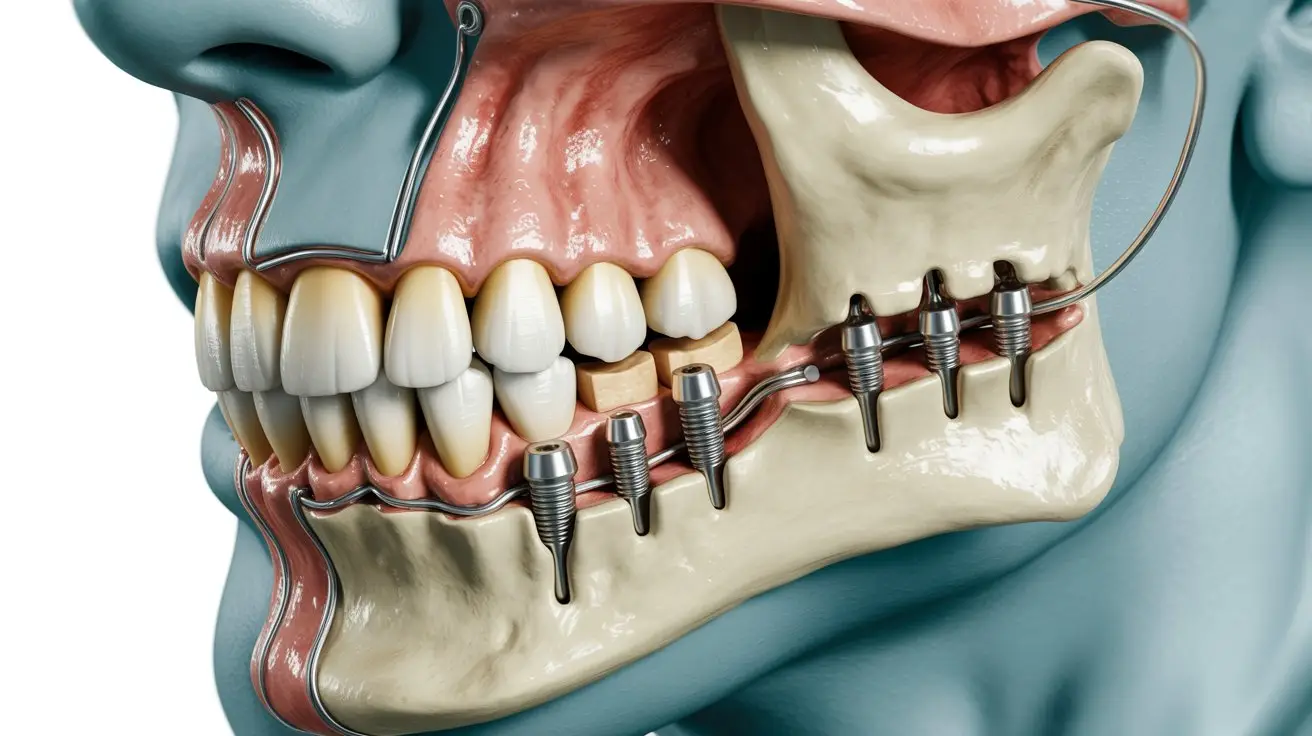
Several techniques exist for managing reduced bone volume. Bone grafting procedures add material to deficient areas, while shorter or wider implants may sometimes be used if anatomy permits. In advanced upper jaw bone loss, zygomatic implants anchored in the cheekbone represent another option that bypasses the need for extensive grafting in some situations. More information on this method appears in related resources such as severe bone loss implant considerations and zygomatic implant explanations.
| Approach | General Description |
|---|---|
| Bone Grafting | Material is placed to increase bone height or width before or during implant surgery. |
| Short Implants | Reduced-length fixtures may be considered when vertical bone is limited. |
| Zygomatic Implants | Longer fixtures engage the cheekbone, often avoiding major grafting. |
| Guided Bone Regeneration | Membranes and graft materials encourage new bone formation. |
What Factors Influence Healing After Placement?
Post-operative healing depends on the patient’s overall health, smoking status, and adherence to care instructions. Regular follow-up visits allow monitoring of integration between implant and bone. Any discomfort or swelling should be reported promptly to the treating clinician.
Long-term maintenance, including professional cleanings and good oral hygiene, supports the stability of implants regardless of the initial bone condition.
Are There Situations Where Implants May Not Be Recommended?
Active infection, uncontrolled systemic disease, or insufficient bone support even after augmentation can make implant therapy less predictable. In these circumstances, alternative prosthetic solutions such as conventional dentures may be reviewed during consultation.
Sık Sorulan Sorular
Can dental implants succeed when jawbone has resorbed?
Success rates vary and depend on remaining bone quality, chosen technique, and individual healing capacity. A thorough clinical and radiographic evaluation determines whether implants are feasible.
Is bone grafting always required before implants?
Not every case needs grafting. Alternatives such as zygomatic implants or short fixtures may be considered when anatomy allows, following proper assessment.
How long does evaluation for bone loss implant treatment take?
The process usually involves one or two visits for examination and imaging. Final planning occurs only after all diagnostic data are reviewed.
Does age affect implant placement with bone loss?
Age itself is not an absolute barrier. General health status and bone condition carry greater weight in determining suitability.
What imaging is typically used for assessment?
Cone-beam computed tomography provides three-dimensional views that help measure bone dimensions accurately and identify nearby anatomical structures.
Can implants be placed the same day bone grafting occurs?
In selected cases simultaneous placement is possible, yet staged procedures are often preferred when bone volume is severely reduced. The decision rests on intraoperative findings.
Sonuç
Bone loss does not automatically rule out dental implants, yet careful evaluation remains essential. Techniques including grafting and zygomatic support expand possibilities for some patients. Ultimately, only a qualified clinician can determine appropriate options after personal examination and imaging.
Uzman Bilgisi
This content is prepared for general informational purposes in the field of oral and maxillofacial surgery. Prof. Dr. Celal Çandırlı’s more than twenty years of clinical experience and training at England’s NHS Poole Hospital and Newcastle Freeman Hospital contribute to the scientific framing of the topic.
This content is for general information only and does not replace professional medical advice. Individuals with jaw or dental concerns should consult a qualified healthcare provider for personalized assessment.