Why Early Diagnosis Matters for TMJ Disorders
TMJ disorders affect the temporomandibular joint and surrounding structures, often leading to persistent jaw pain and limited jaw movement. Early diagnosis allows patients to understand their condition before symptoms worsen and more complex interventions become necessary.
Many individuals experience clicking sounds, muscle tension or difficulty chewing without realizing these signs point to temporomandibular joint problems. Recognizing these indicators promptly can support simpler management strategies and reduce the likelihood of long-term complications.
What Are TMJ Disorders?
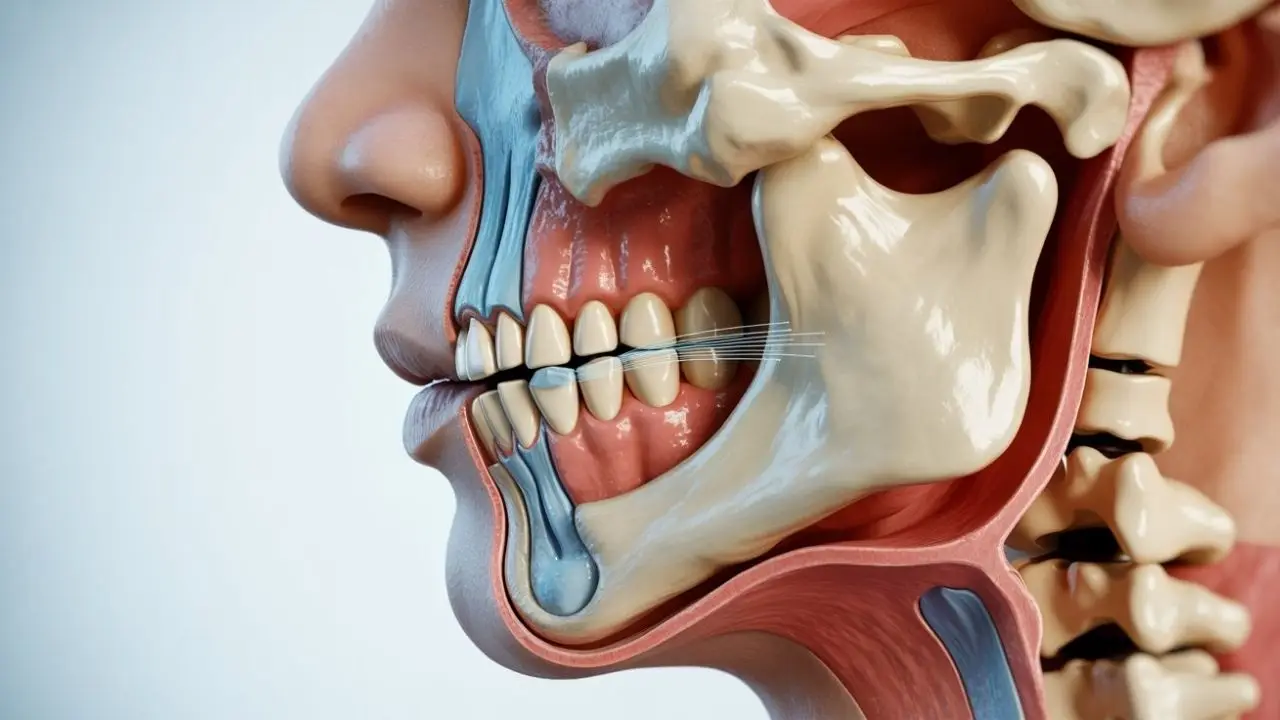
TMJ disorders involve dysfunction of the temporomandibular joint, which connects the jawbone to the skull. Common symptoms include jaw pain, headaches, ear discomfort and restricted mouth opening. The condition can arise from injury, arthritis, teeth grinding or structural misalignment.
Signs That Suggest the Need for Early Evaluation
- Recurring jaw pain during chewing or speaking
- Clicking or popping sounds in the joint
- Locking of the jaw in open or closed position
- Facial muscle fatigue or tension headaches
Benefits of Early Diagnosis
Identifying TMJ disorders at an early stage often allows conservative approaches such as physical therapy, splints or lifestyle adjustments. Patients may avoid progression to severe joint damage that could require jaw surgery later. Early assessment also helps rule out other causes of facial pain.
| Aspect | Early Diagnosis | Delayed Diagnosis |
|---|---|---|
| Symptom Management | Usually addressed with non-surgical methods | May involve more invasive options |
| Joint Damage Risk | Lower likelihood of permanent changes | Higher chance of degeneration |
| Daily Function | Quicker return to normal activities | Prolonged discomfort possible |
| Treatment Complexity | Simpler and shorter plans | Extended and multifaceted plans |
When Jaw Surgery May Be Considered
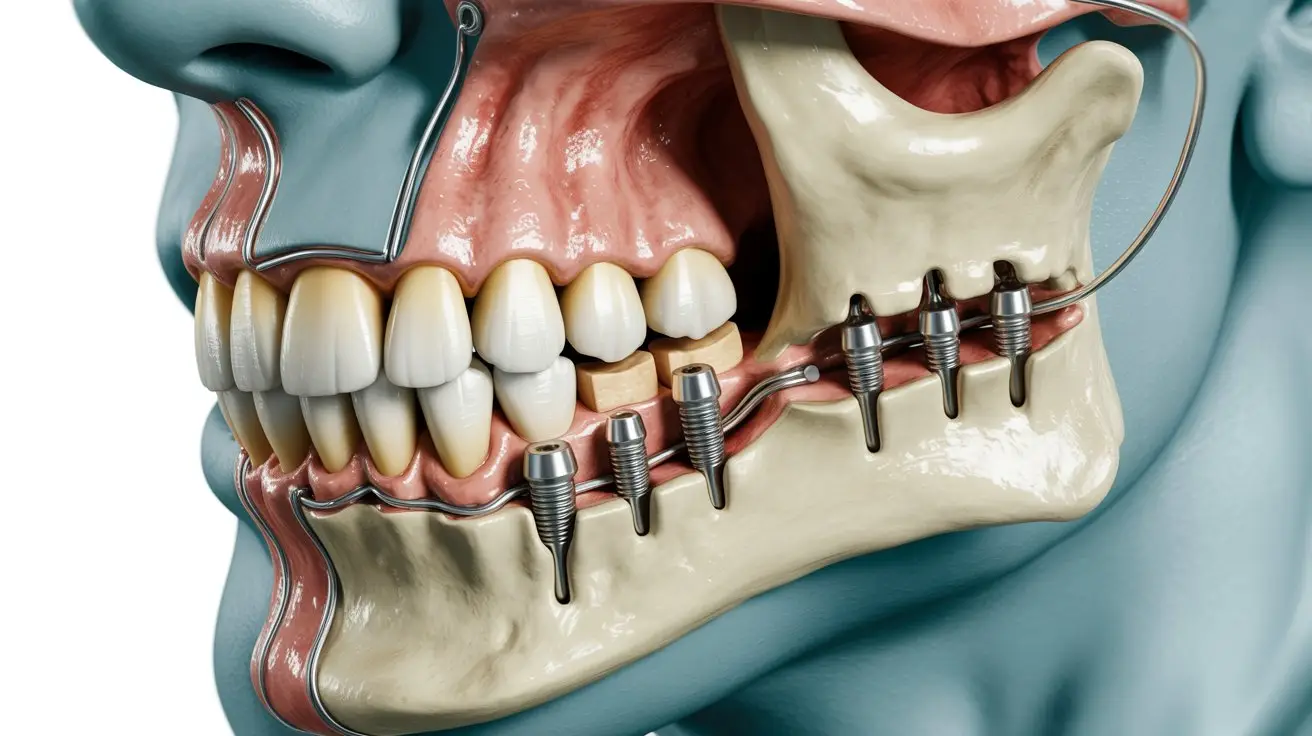
Jaw surgery is generally reserved for cases where structural issues do not respond to conservative care. Early diagnosis helps determine whether surgery can be avoided or planned with greater precision if needed. Individual anatomy and symptom duration influence this decision.
Role of Imaging and Clinical Assessment
Three-dimensional imaging and detailed clinical examination remain essential for accurate diagnosis. These tools reveal joint position, disc displacement and bone changes that may not be visible during routine dental visits. Personal evaluation remains necessary because each case differs.
Frequently Asked Questions
Can TMJ disorders resolve without treatment?
Some mild cases improve with self-care, yet many require professional assessment to prevent worsening. Early diagnosis clarifies whether monitoring alone is sufficient.
Does jaw pain always indicate TMJ disorders?
Jaw pain can stem from dental problems, sinus issues or muscle strain. Only a qualified professional can differentiate TMJ disorders from other causes through examination and imaging.
How soon should someone seek evaluation for jaw clicking?
Persistent clicking accompanied by pain or locking warrants prompt assessment. Early diagnosis helps identify whether the joint requires intervention before function declines.
Are there lifestyle factors that influence TMJ disorders?
Stress-related clenching, poor posture and certain chewing habits may aggravate symptoms. Early recognition allows patients to modify these factors under guidance.
Is jaw surgery common for TMJ disorders?
Jaw surgery is considered only after conservative treatments fail and structural problems persist. Early diagnosis often reduces the need for surgical options.
Why does early diagnosis matter for long-term jaw health?
Detecting TMJ disorders sooner supports targeted care that protects joint function and minimizes chronic pain. Individual assessment determines the most appropriate path forward.
Conclusion
TMJ disorders can significantly affect daily comfort and jaw function when left unaddressed. Early diagnosis provides clearer insight into the temporomandibular joint condition and helps guide suitable management before more advanced interventions such as jaw surgery become necessary. Personal clinical evaluation remains essential for accurate understanding of each situation.
Expert Information
This content is prepared for general informational purposes in the field of oral, dental and maxillofacial surgery. Prof. Dr. Celal Çandırlı’s more than 20 years of professional experience and training at England NHS Poole Hospital and Newcastle Freeman Hospital support the scientific and clinical framing of the topic.
This content is for general informational purposes only and does not replace diagnosis or treatment. Consult a dentist or relevant healthcare professional for any oral, dental or jaw-related concerns.