Zygomatic Implants vs Bone Grafts for Upper Jaw Bone Loss
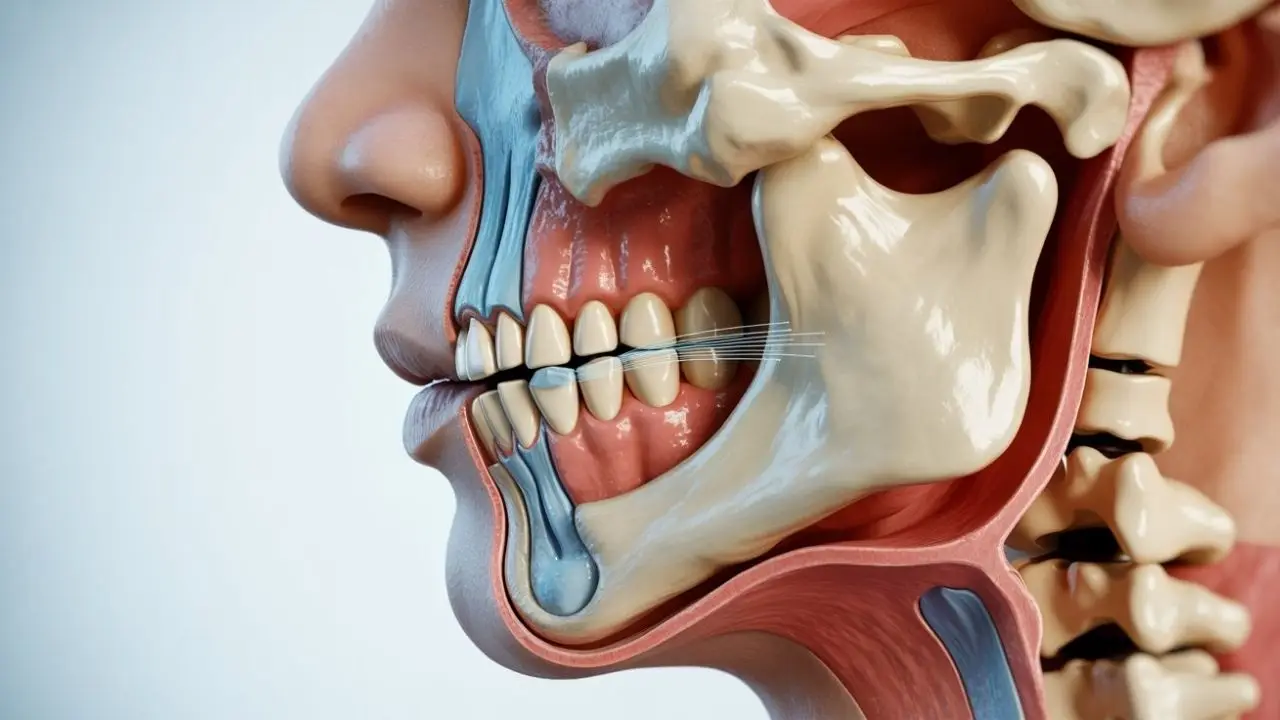
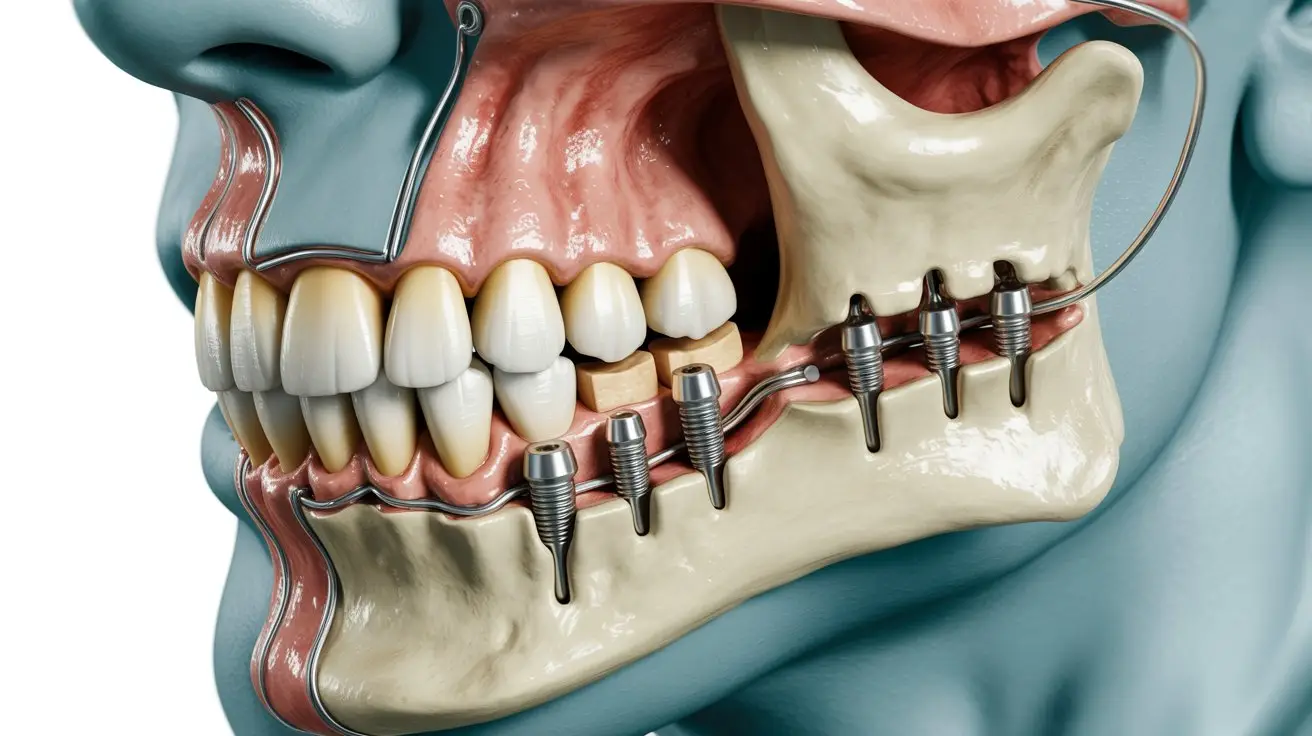
Zygomatic implants offer an alternative approach for patients who experience significant bone loss in the upper jaw. Unlike traditional methods, this option uses the cheekbone for support when standard implant placement is not feasible.
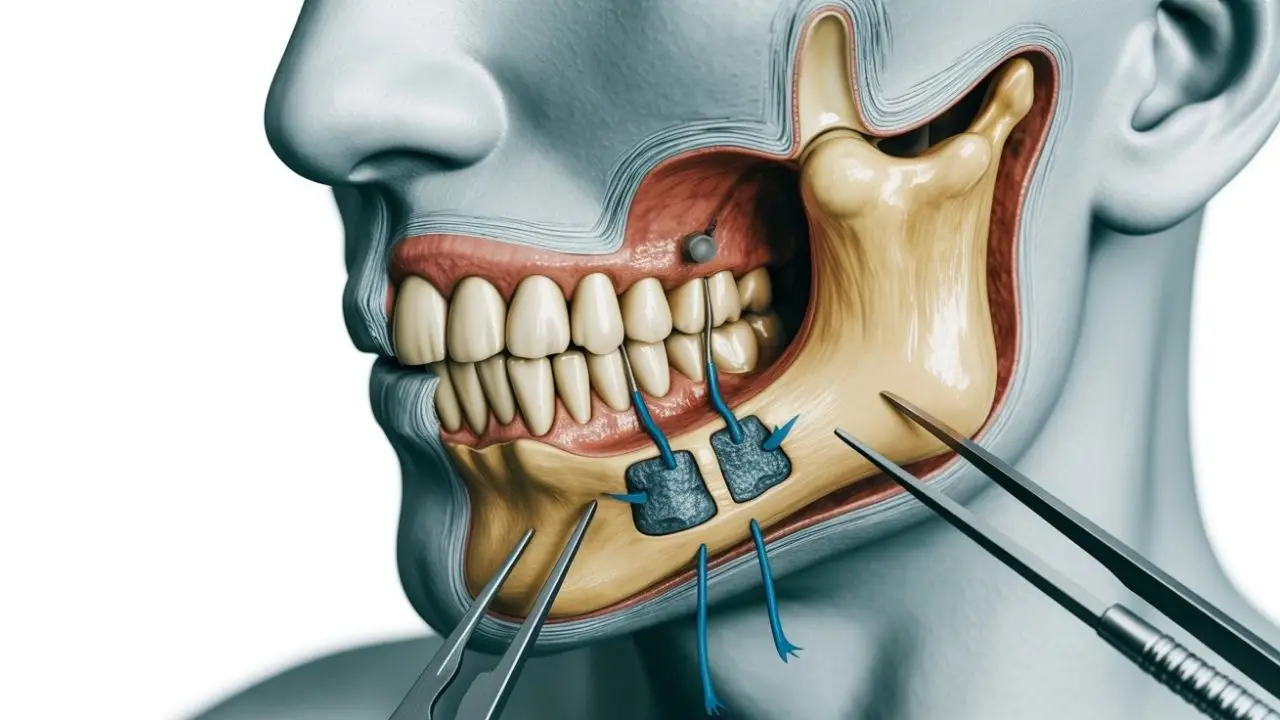
Bone grafts represent another established technique in bone loss treatment. The procedure aims to rebuild jawbone volume before upper jaw implants can be placed.
This comparison explores general differences between zygomatic implants and bone grafts, helping readers understand available implant options.
What Are Zygomatic Implants?
Zygomatic implants are longer fixtures anchored in the zygomatic bone rather than the jawbone itself. They may be considered when severe bone loss prevents conventional implant use.
The approach can reduce the need for extensive grafting in some cases. Suitability depends on individual anatomy and overall health status.
What Are Bone Grafts?
Bone grafts involve adding bone material to areas of deficiency in the jaw. This step may create sufficient support for future upper jaw implants.
Grafting materials can come from the patient or synthetic sources. Healing time varies and requires careful monitoring.
Key Differences in Procedure and Recovery
- Zygomatic implants often allow shorter overall treatment timelines by bypassing extensive grafting.
- Bone grafts typically involve additional healing periods before implants can be placed.
- Both methods require thorough imaging and clinical assessment beforehand.
| Aspect | Zygomatic Implants | Bone Grafts |
|---|---|---|
| Support Source | Cheekbone (zygoma) | Jawbone augmentation |
| Healing Duration | May be shorter in suitable cases | Usually requires several months |
| Additional Surgery | Often avoids major grafting | Frequently needed before implants |
| Evaluation Needed | 3D imaging and medical review | 3D imaging and medical review |
When Each Option May Be Considered
Zygomatic implants may be evaluated for advanced upper jaw bone loss where standard implants cannot be placed. Bone grafts remain relevant when gradual bone rebuilding is preferred.
Implant options ultimately depend on factors such as remaining bone quality, sinus anatomy, and general medical condition. Personal assessment by a qualified professional is essential.
General Considerations for Patients
Both approaches carry potential risks including infection, sinus complications, or graft failure. Patients should discuss these possibilities during consultation.
Long-term success relies on proper oral hygiene and regular follow-up care regardless of the chosen method.
Sık Sorulan Sorular
Are zygomatic implants suitable for everyone with bone loss?
Zygomatic implants are not appropriate for all patients. Individual bone structure, sinus health, and medical history determine whether this option can be considered.
How long does bone graft healing usually take?
Bone graft healing commonly requires several months before upper jaw implants can proceed. Exact timing varies according to the graft type and patient response.
Can zygomatic implants and bone grafts be combined?
In certain situations, a combination approach may be discussed. The decision follows detailed imaging and clinical evaluation by a specialist.
What are the main risks associated with these procedures?
Possible risks include infection, nerve irritation, or incomplete integration. A thorough preoperative assessment helps identify and manage these factors.
Do zygomatic implants require less surgery than bone grafts?
Zygomatic implants may eliminate the need for separate grafting in some cases. However, the final plan depends on each patient’s specific anatomy.
Is one option better than the other for bone loss treatment?
Neither method is universally superior. The most suitable implant option is determined through personalized examination and imaging studies.
Sonuç
Zygomatic implants and bone grafts each provide pathways for addressing upper jaw bone loss before implant placement. The choice between them depends on individual clinical findings rather than general preference.
Patients considering these treatments should seek a detailed evaluation from a qualified oral and maxillofacial surgeon to understand which approach aligns with their situation.
Uzman Bilgisi
Bu içerik, ağız, diş ve çene cerrahisi alanında bilgilendirme amacıyla hazırlanmıştır. Prof. Dr. Celal Çandırlı’nın 20 yılı aşkın mesleki deneyimi, İngiltere NHS Poole Hospital ve Newcastle Freeman Hospital eğitim geçmişi, konunun bilimsel ve klinik çerçevede ele alınmasına katkı sağlar.
This content is for general informational purposes only and does not replace professional medical advice. Individuals with concerns about oral health should consult a qualified dentist or specialist.