Facial Implants vs Traditional Reconstruction Methods
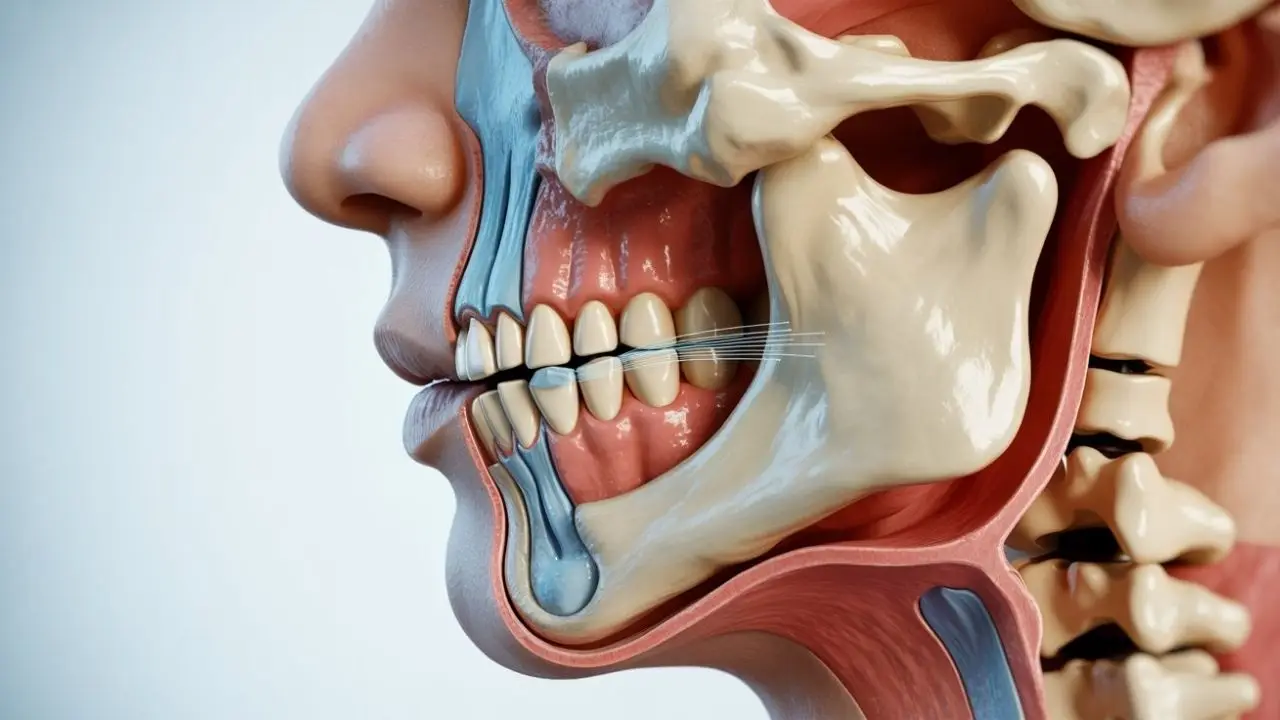
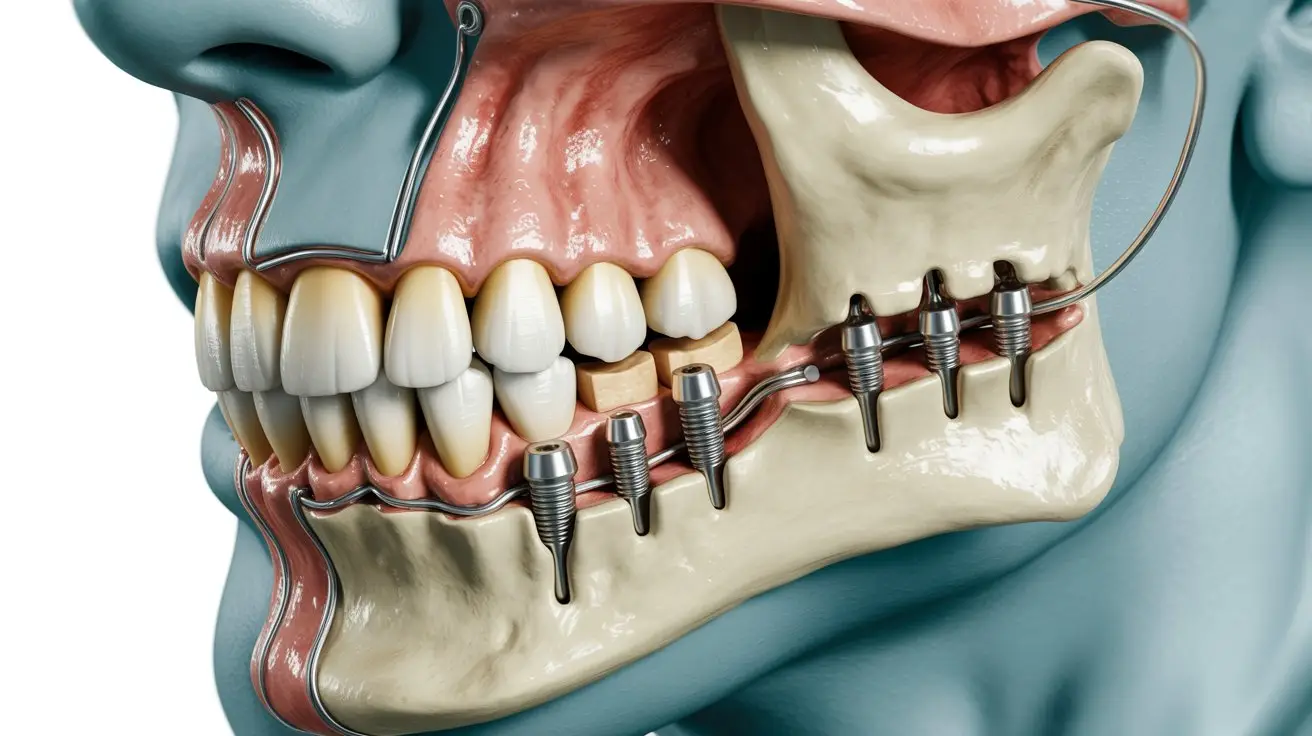
Facial implant options are often compared with traditional reconstruction methods when addressing facial bone loss or structural concerns. Patients may encounter terms such as facial implant, titanium implant, and medpor implant during these discussions.
This article explains the general differences between these approaches. It covers how each method is typically evaluated and what factors may influence suitability.
What Is a Facial Implant?
A facial implant is a biocompatible material placed to restore volume or support in the facial skeleton. Common materials include titanium implant and medpor implant options.
These implants are shaped to fit specific facial areas. They are considered in cases where bone volume is insufficient for other procedures.
Traditional Facial Reconstruction Approaches
Traditional facial reconstruction often uses bone grafts or soft tissue flaps. These methods aim to rebuild missing structures using the patient’s own tissue.
The process usually requires donor sites and multiple surgical stages. Healing time and donor site discomfort are common considerations.
Implant Comparison: Key Differences
| Aspect | Facial Implant | Traditional Reconstruction |
|---|---|---|
| Material Source | Synthetic (titanium implant, medpor implant) | Patient’s own bone or tissue |
| Surgical Stages | Often single procedure | May require multiple stages |
| Healing Time | Generally shorter | Longer recovery possible |
| Donor Site | None required | Usually needed |
When Facial Implants May Be Considered
- Significant upper or mid-face bone loss
- Previous graft failure
- Preference for avoiding additional surgical sites
- Need for predictable volume restoration
Potential Considerations for Both Methods
Each approach carries general surgical risks such as infection or implant movement. Suitability depends on individual anatomy and medical history.
Three-dimensional imaging and clinical examination help determine which method may be more appropriate. Personal assessment remains essential.
Frequently Asked Questions
Is a titanium implant stronger than traditional bone grafts?
Titanium implants offer high strength and biocompatibility. However, long-term integration depends on individual healing and surgical planning.
Can medpor implant be used in all facial areas?
Medpor implant is commonly considered for certain facial regions. Final suitability is determined after detailed imaging and examination.
How long does recovery take after facial implant placement?
Recovery varies by case. Most patients experience swelling for several weeks, but exact timelines require personal medical evaluation.
Are traditional reconstruction methods always more natural?
Traditional methods use the patient’s own tissue. Outcomes depend on many factors including graft survival and surgical technique.
What is the main difference in implant comparison?
The primary difference lies in material source and number of surgical stages. Each option has distinct advantages and limitations.
Does facial reconstruction always require implants?
No. Some cases are managed without implants. The decision follows thorough clinical and radiographic assessment.
Conclusion
Facial implant techniques, including titanium implant and medpor implant, provide alternatives to traditional facial reconstruction in selected situations. The most appropriate method is identified through individual evaluation rather than general recommendations.
Uzman Bilgisi
This content has been prepared for general informational purposes in the field of oral, dental and maxillofacial surgery. Prof. Dr. Celal Çandırlı’s more than 20 years of professional experience and training at England NHS Poole Hospital and Newcastle Freeman Hospital contribute to the scientific and clinical perspective presented.
This content is for general information purposes only and does not replace diagnosis or treatment. For concerns regarding oral, dental and maxillofacial health, consult your dentist or relevant specialist healthcare professional.