Facial Implants vs Traditional Methods: Key Differences
Facial implants offer a specialized approach in facial reconstruction for patients with structural deficiencies. These implants, including titanium implants and Medpor implants, can provide support where bone volume is insufficient.
Traditional methods such as bone grafting or soft tissue procedures have long been used in similar cases. Understanding the distinctions helps patients form realistic expectations before any clinical evaluation.
This article reviews general features of facial implants, compares them with conventional techniques, and outlines points that may influence suitability.
What Are Facial Implants?
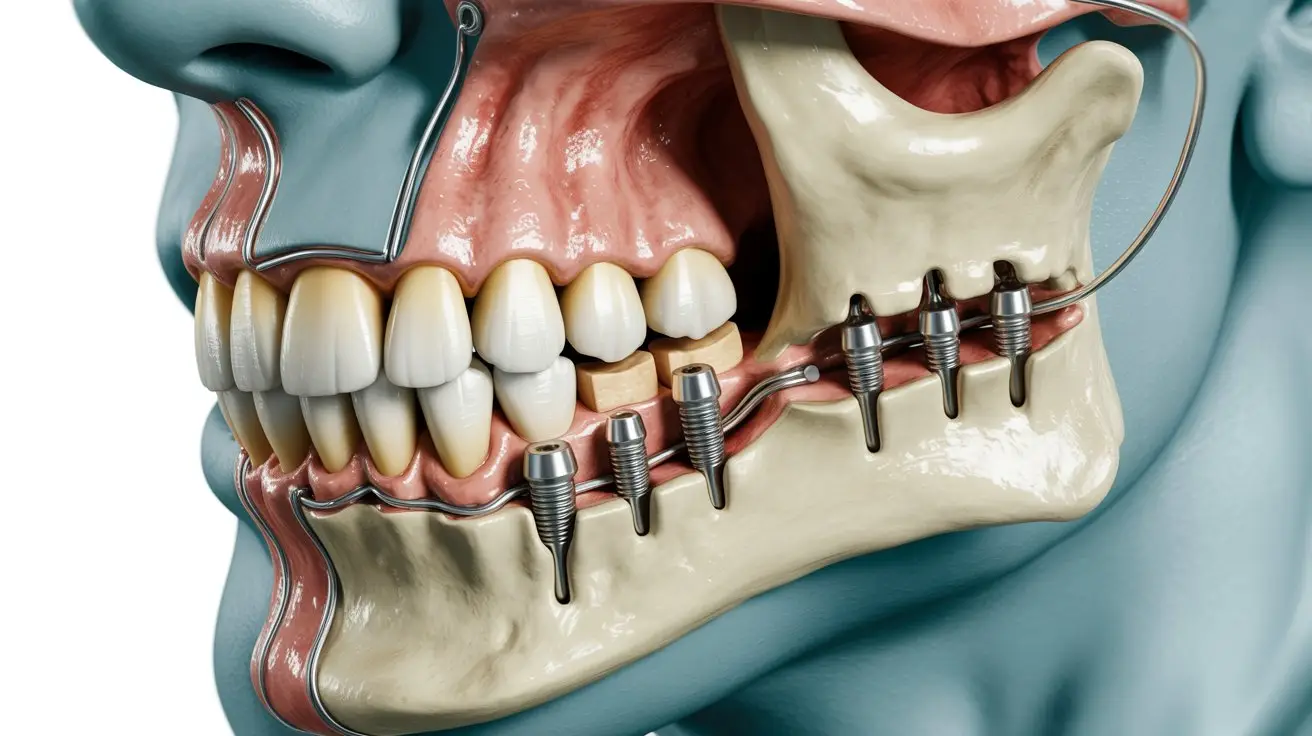
Facial implants are biocompatible materials placed to restore or augment facial contours. Common implant types include titanium implants, valued for strength and osseointegration, and Medpor implants, known for porous structure that allows tissue ingrowth.
These devices are considered in facial reconstruction when natural bone support is limited. Suitability depends on individual anatomy and overall health status.
Traditional Methods in Facial Reconstruction
Conventional approaches often involve autogenous bone grafts harvested from the patient’s own body or synthetic fillers. These techniques aim to rebuild volume gradually through biological integration.
Healing times and donor site considerations are typical aspects discussed during planning. Outcomes vary according to each patient’s healing capacity.
Key Differences Between Facial Implants and Traditional Methods
| Aspect | Facial Implants | Traditional Methods |
|---|---|---|
| Material Source | Synthetic (titanium implants, Medpor implants) | Autogenous bone or tissue |
| Procedure Duration | Often shorter operative time | May require additional harvesting steps |
| Healing Considerations | Integration with surrounding bone | Donor site recovery needed |
| Revision Potential | Possible implant adjustment | Biological remodeling over time |
Implant Types Commonly Discussed
- Titanium implants: rigid and compatible with bone growth.
- Medpor implants: porous polyethylene allowing vascularization.
- Other custom materials selected according to defect location.
Points That May Influence Choice
Evaluation usually includes three-dimensional imaging and medical history review. Factors such as prior surgeries, infection risk, and soft tissue quality are assessed individually.
Neither approach is universally preferred; decisions are made after comprehensive examination.
Sık Sorulan Sorular
Are facial implants suitable for every patient?
Facial implants may not be appropriate for all individuals. Suitability is determined through clinical examination and imaging studies.
How do titanium implants differ from Medpor implants?
Titanium implants offer high rigidity and direct bone bonding, whereas Medpor implants permit tissue ingrowth due to their porous design. Selection depends on case requirements.
Do traditional methods always require bone harvesting?
Many traditional techniques involve bone grafts, yet some alternatives use synthetic substitutes. The need for harvesting varies by treatment plan.
What is the general recovery timeline after facial implant placement?
Recovery periods differ among patients. Swelling and activity restrictions are commonly advised in the initial weeks following surgery.
Can implant types be combined in one procedure?
Combination of different implant types or materials can be considered when anatomical needs require multiple solutions. This is evaluated on a case-by-case basis.
Is personal consultation necessary before deciding on facial reconstruction?
Yes. Individual assessment including medical history and imaging remains essential to determine appropriate options.
Sonuç
Facial implants, including titanium implants and Medpor implants, represent one set of options within facial reconstruction. Traditional methods continue to serve specific clinical situations. The most suitable approach is identified after thorough professional evaluation rather than general comparison alone.
Uzman Bilgisi
Bu içerik, ağız, diş ve çene cerrahisi alanında bilgilendirme amacıyla hazırlanmıştır. Prof. Dr. Celal Çandırlı’nın 20 yılı aşkın mesleki deneyimi, İngiltere NHS Poole Hospital ve Newcastle Freeman Hospital eğitim geçmişi, konunun bilimsel ve klinik çerçevede ele alınmasına katkı sağlar.
This content is for general information purposes only and does not replace diagnosis or treatment. For any concerns regarding oral, dental, or jaw health, consult your dentist or a qualified specialist healthcare professional.