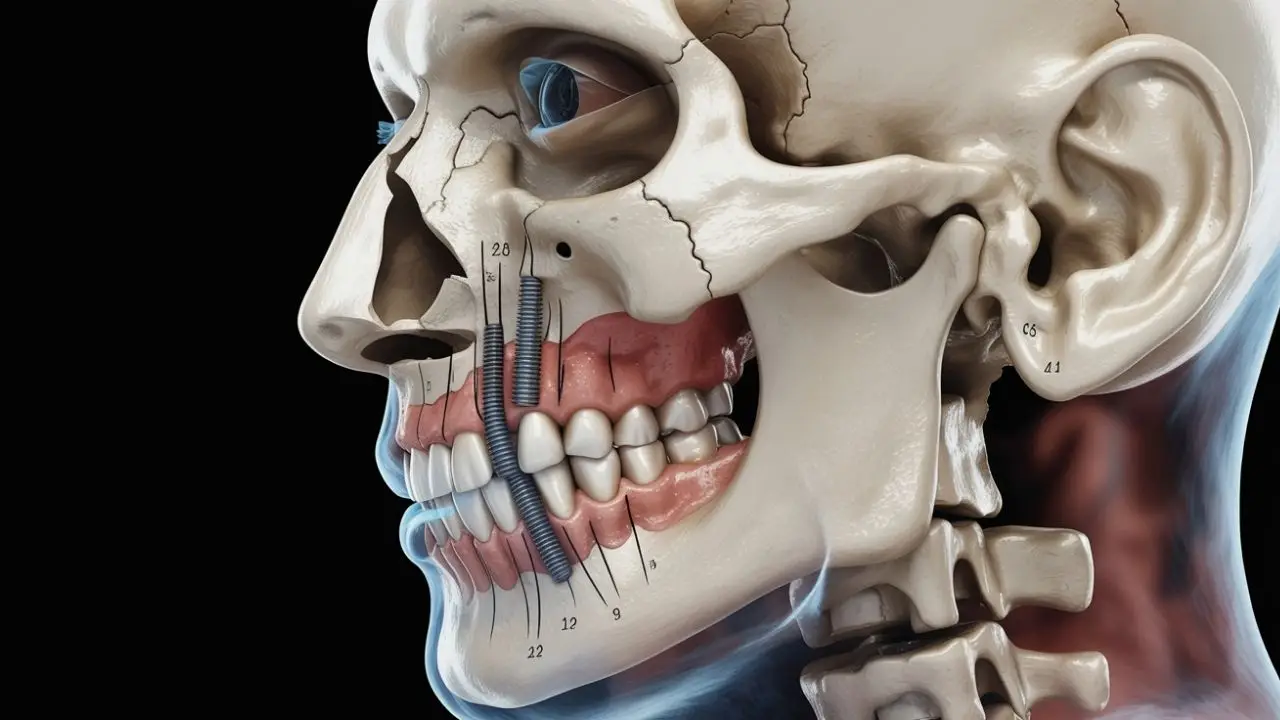
A fracture of the zygomatic arch is a break in the bony structure that forms the prominent part of the cheek. The zygomatic arch also supports the eye socket and plays an important role in facial symmetry, chewing function, and overall facial aesthetics. Because of its exposed position, this bone is commonly injured in trauma such as falls, sports accidents, traffic collisions, or direct blows to the face.
Receiving the right diagnosis and treatment is extremely important. If left untreated, a zygomatic arch fracture can cause facial asymmetry, chronic pain, jaw movement problems, and even visual disturbances. Below, we’ll explain in detail how a fracture of the zygomatic arch is treated, who needs surgery, and what recovery looks like.
What Is a Fracture of the Zygomatic Arch?
The zygomatic arch is the thin bridge of bone that connects the cheekbone (zygoma) to the temporal bone at the side of the skull. Because it is relatively thin yet highly exposed, it is vulnerable to trauma. A fracture in this region may involve:
The arch alone
The cheekbone (zygoma)
The orbital rim or floor around the eye
The maxilla (upper jaw)
The severity of the fracture determines treatment. Some fractures are minimally displaced and can heal without surgery. Others shift the cheekbone out of position and require surgical correction to restore facial balance and function.
Common Symptoms of Zygomatic Arch Fractures
Common Symptoms of Zygomatic Arch Fractures
Not all facial injuries look severe from the outside. However, a fracture of the zygomatic arch often presents with recognizable symptoms such as:
Flattening or depression of the cheek
Bruising and swelling around the cheek and eye
Pain when chewing or opening the mouth
Numbness of the cheek, upper lip, or teeth
Jaw movement restriction (trismus)
Double vision or visual disturbances (if orbit is involved)
Asymmetry of the face
In more severe injuries, the cheekbone may be visibly displaced, and the eye area may appear sunken or widened.
Diagnosis: How Doctors Confirm a Fracture of the Zygomatic Arch
Diagnosis begins with a clinical examination. Your surgeon will assess facial symmetry, cheekbone contour, jaw movement, nerve sensation, and eye function.
Imaging is essential and usually includes:
CT scan — the gold standard to assess fracture pattern and displacement
X-ray — occasionally used for simple fractures
CT imaging allows the surgeon to see whether the bone segments are displaced and whether the orbit or maxilla are also affected. This information determines whether surgery is needed.
How to Be Treathed Fracture of the Zygomatic Arch (1)
How to Be Treathed Fracture of the Zygomatic Arch?
Treatment falls into two main categories — non-surgical management and surgical repair. The correct approach depends on the severity and displacement of the fracture.
Non-Surgical Treatment (Conservative Management)
If the fracture is not displaced and facial symmetry or function is not affected, surgery may not be necessary. In such cases, conservative treatment includes:
Pain control
Cold compresses to reduce swelling
Soft diet to reduce chewing strain
Activity modification
Follow-up imaging
Most nondisplaced fractures heal naturally over several weeks. However, regular follow-up is important to ensure no delayed displacement occurs.
Surgical Treatment: When Is It Necessary?
Surgery is recommended when the fracture causes:
Cheek flattening or asymmetry
Restricted jaw movement
Displacement of the bone
Eye socket involvement
Nerve compression
Visible deformity
The primary goal of surgery is to reposition the bone precisely and stabilize it so it heals in the correct anatomical position.
Surgical Techniques for Treating Fracture of the Zygomatic Arch
The type of surgery depends on fracture complexity. Common surgical options include:
Closed Reduction
In some isolated arch fractures, the bone can be gently pushed back into place using specialized instruments without making large incisions. This is typically performed under anesthesia and is minimally invasive.
Open Reduction and Internal Fixation (ORIF)
For displaced or complex fractures, open surgery is required. The surgeon exposes the fracture site, realigns the bone segments, and secures them using tiny titanium plates and screws. These materials are biocompatible and usually remain permanently in place.
Precise alignment is essential to restore:
Cheek projection
Symmetry
Jaw mobility
Orbital support
The incision is typically placed inside the mouth or hidden in natural skin creases to minimize visible scarring.
Recovery After a Fracture of Zygomatic Arch
Recovery depends on the severity of the fracture and whether surgery was required. While every patient heals at a slightly different pace, most people follow a similar recovery pattern. Understanding what to expect helps reduce anxiety and allows you to plan daily life and activities more comfortably during the healing period.
Common Recovery Experiences
Recovery Stage
What to Expect
Swelling for 2–3 weeks
Swelling is usually most noticeable in the first few days and then gradually decreases.
Bruising improves within 10–14 days
Discoloration around the cheek and eye typically fades over one to two weeks.
Jaw tightness gradually resolves
Some patients experience difficulty opening the mouth fully, which improves as healing progresses.
Sutures removed or dissolved
Internal sutures dissolve on their own, while external ones may be removed by your surgeon.
Soft diet initially
To avoid stress on the jaw and fracture area, softer foods are recommended during the early phase of recovery.
Activities to Avoid During Recovery
To protect the healing bone and prevent complications, patients are usually advised to avoid the following:
Activity to Avoid
Reason
Blowing the nose forcefully
This can increase pressure in the facial bones and sinuses, risking bleeding or disruption of healing tissues.
Heavy lifting
To prevent strain and sudden spikes in pressure that may interfere with recovery.
Contact sports
To avoid trauma or direct impact to the face until the surgeon confirms bone healing.
Sleeping on the injured side
To prevent unnecessary pressure on the healing area and reduce swelling or discomfort.
How Long Does Full Healing Take?
Full bone healing usually occurs within 6–8 weeks. During this time, regular follow-up appointments allow your surgeon to monitor the healing process and ensure proper alignment. While swelling and bruising resolve much sooner, internal bone healing continues quietly beneath the surface — making it essential to follow medical advice even when you begin to feel better.
Possible Complications if Left Untreated
Ignoring a significant fracture of the zygomatic arch may lead to:
Permanent facial asymmetry
Cheek flattening
Chronic pain
Nerve numbness
Jaw restriction
Eye function problems (if orbit is involved)
This is why proper diagnosis and early evaluation are critical.
Who Treats Zygomatic Arch Fractures?
These injuries should be managed by a specialist experienced in facial trauma — typically an Oral and Maxillofacial Surgeon or a Facial Plastic Surgeon. Their expertise ensures bone alignment is restored while protecting facial nerves, eye anatomy, and cosmetic appearance.
Why Early Assessment Matters
Some patients initially dismiss facial injuries as “minor bruising,” only to notice asymmetry weeks later. Once the bone heals incorrectly, secondary surgery may be required to correct the deformity. Early evaluation helps avoid this.
Frequently Asked Questions About Zygomatic Arch Fractures
Frequently Asked Questions About Zygomatic Arch Fractures help patients better understand what happens when the delicate cheekbone structure is injured. Because the zygomatic arch plays an important role in facial symmetry, eye support, and jaw function, a fracture in this area often raises serious concerns. Below, you’ll find clear answers to the most common questions — including how these fractures are diagnosed, when surgery is required, what recovery involves, and what risks exist if treatment is delayed. Knowing the facts can make the treatment process far less stressful and help you make confident, informed decisions about your care.
What is the best treatment for a Fracture of the Zygomatic Arch?
Zygomatic arch fracture treatment depends on how severely the bone is displaced. If the arch is not shifted out of position and facial symmetry is preserved, conservative (non-surgical) treatment with observation, pain control, and follow-up imaging may be sufficient. However, if the cheekbone is visibly depressed, causing facial asymmetry, restricted jaw movement, or functional problems, surgery is usually recommended. Surgical treatment involves carefully repositioning the bone — sometimes with plates and screws — to restore normal anatomy, function, and facial aesthetics.
How long does it take for a zygomatic arch fracture to heal?
Zygomatic arch fracture healing time typically ranges from 6 to 8 weeks. Swelling and bruising often improve within the first 2 to 3 weeks, but full bone healing takes longer. During this period, patients are advised to avoid contact sports, trauma, and heavy pressure to the face. If surgery is performed, healing follows a similar timeline, though recovery quality depends on correct bone alignment and adherence to aftercare instructions.
What is the zygomatic bone and why is it important?
The zygomatic bone, also called the cheekbone, forms the prominent contour of the face and plays a key role in supporting the eye socket and jaw function. It also contributes to facial width and balance. Because it is positioned at the outer mid-face, it is particularly vulnerable to facial trauma. Damage to this bone can affect both appearance and function — therefore early evaluation is important when injury occurs.
Why is a CT scan important in zygomatic arch Fracture of the Zygomatic Arch?
A zygomatic arch fracture CT scan is considered the gold-standard imaging method. CT imaging clearly shows the exact location, severity, and displacement of the fracture, as well as whether other structures — such as the orbit or maxilla — are involved. This level of detail allows surgeons to accurately plan treatment and determine whether surgery is necessary. Standard X-rays may miss complex or subtle fractures, so CT scanning is often preferred.
What is the difference between a zygomatic fracture and a zygomatic arch fracture?
A zygomatic fracture refers to any break involving the cheekbone, which may extend into the eye socket, upper jaw, or facial buttresses. A zygomatic arch fracture specifically affects the thin bony arch connecting the cheekbone to the skull. Both injuries can occur together — but an isolated arch fracture may only affect the cheek contour and jaw movement. Accurate diagnosis helps determine the most appropriate treatment plan.
Do all zygomatic arch fractures require surgery?
No. Surgery is usually reserved for fractures that cause visible deformity, displacement, chewing difficulty, jaw restriction, or eye-related problems. Mild, nondisplaced fractures often heal well without intervention — but must still be monitored closely by a specialist to prevent complications or delayed bone movement.
Can a zygomatic arch fracture affect eye function?
Yes — especially if the fracture extends into the orbital bones. Patients may experience double vision, eye movement restriction, or changes in globe position. These symptoms require urgent evaluation, as they may indicate serious structural involvement requiring surgical correction.
Will my face look different after a zygomatic arch fracture?
If the fracture causes depression or flattening of the cheekbone, the face may appear asymmetric. Proper treatment — particularly surgical realignment when needed — helps restore natural contour. Leaving a displaced fracture untreated can result in permanent facial imbalance.
How is pain managed during recovery?
Pain following a zygomatic arch fracture is usually controlled with prescribed medications, cold compresses, and rest. Patients are also advised to follow a soft-diet temporarily to reduce strain on the jaw. Pain typically improves significantly within the first 1–2 weeks.