Jaw injury refers to any trauma that affects the lower jaw (mandible), upper jaw (maxilla), or the joints and soft tissues that support jaw movement. These injuries range from mild muscle strain and bruising to jaw fractures and dislocations. Because the jaw is essential for breathing, eating, speaking, and facial expression, prompt recognition and treatment of jaw injuries are important to prevent long-term complications.
Jaw injuries commonly occur after falls, sports accidents, vehicle collisions, or direct blows to the face. They may also involve injuries to the teeth, gums, face, or temporomandibular joint (TMJ). Some jaw injuries are obvious and severe, while others cause subtle symptoms such as jaw stiffness, difficulty chewing, or a sensation that the teeth “do not fit together” properly.
What Is a Jaw Injury?
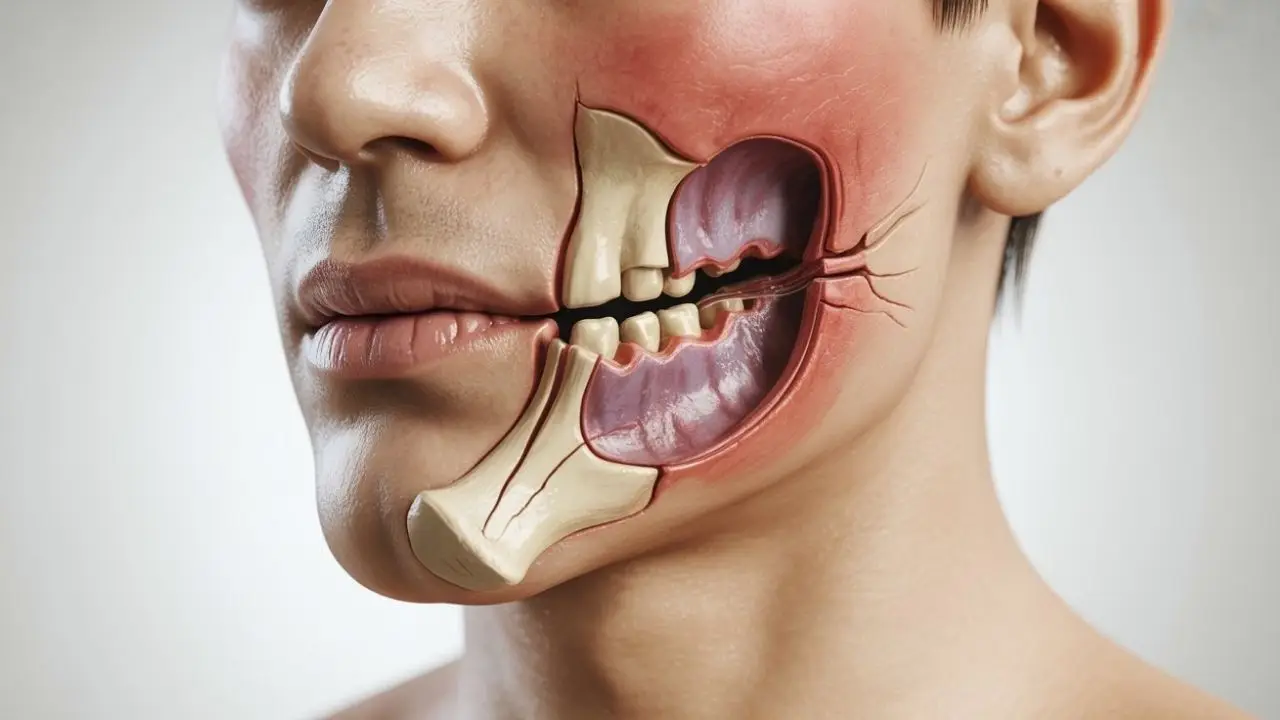
The jaw is made up of two main bones: the maxilla (upper jaw) and the mandible (lower jaw). The lower jaw is connected to the skull by the temporomandibular joints located in front of each ear. These structures, along with surrounding muscles and ligaments, allow the jaw to open, close, and move side-to-side.
A jaw injury occurs when one or more of these structures are damaged. The injury may involve bone, cartilage, nerves, teeth, muscles, blood vessels, or the TMJ. Depending on the cause and severity, pain may be localized to the jaw or radiate to the ear, neck, or head.
Types of Jaw Injuries
Jaw injuries are grouped according to the tissues that are damaged and the mechanism of injury. Understanding the type helps guide treatment and recovery expectations.
Jaw Fractures (Broken Jaw)
A jaw fracture occurs when one or both jaw bones crack or break. Mandibular fractures are among the most common facial fractures because the mandible is prominent and absorbs much of the impact during facial trauma. Symptoms may include severe pain, swelling, bruising, misaligned teeth, bleeding inside the mouth, numbness in the lower lip or chin, and difficulty opening or closing the mouth. In severe cases, breathing may be affected if swelling or bleeding blocks the airway.
Jaw Dislocation
A jaw dislocation happens when the lower jaw bone is forced out of its normal position within the TMJ. The mouth may become stuck in an open or partially open position, speech may be difficult, and drooling may occur because the mouth cannot close properly. Recurrent dislocations can occur in people with connective tissue conditions, ligament laxity, or previous jaw injury.
Soft Tissue and Muscle Injuries
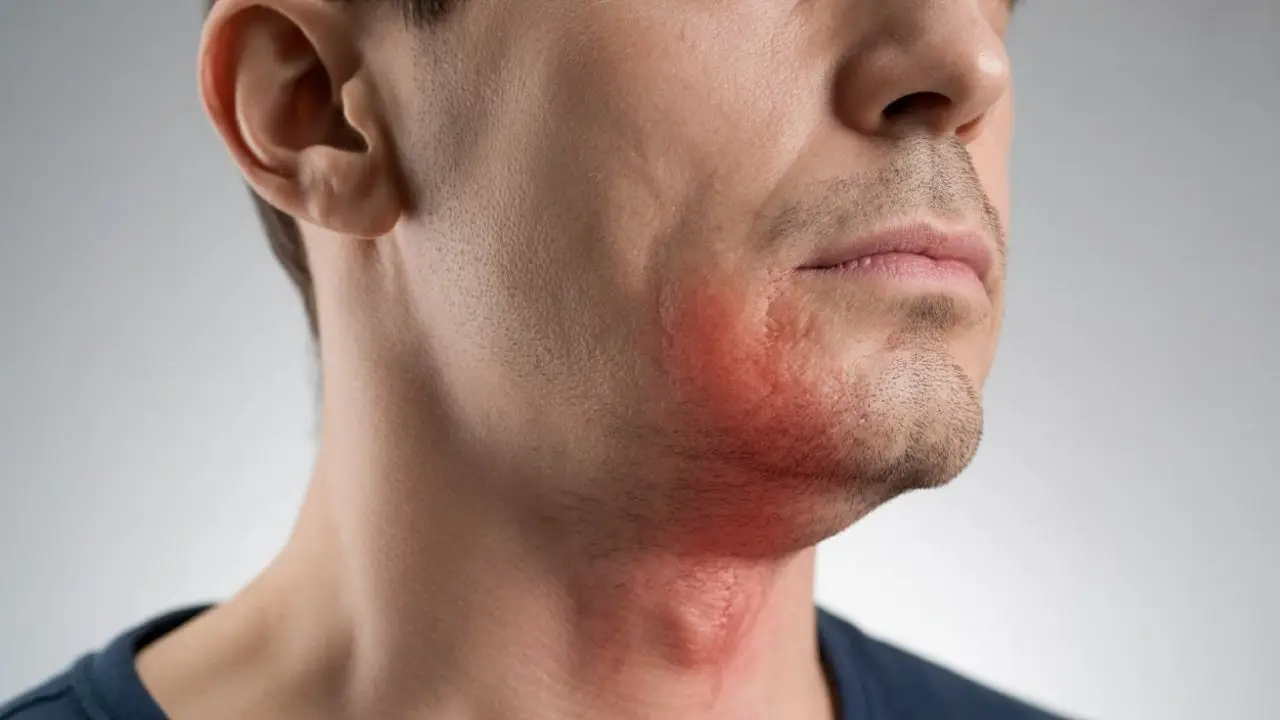
Not all jaw injuries involve broken bones. The muscles, ligaments, skin, and nerves surrounding the jaw can also be injured. Examples include bruising, swelling, lacerations, and muscle strain. These injuries often occur with TMJ strain or overextension of the jaw, such as during yawning or dental procedures.
Dental and Gum Injuries
Dental trauma frequently accompanies jaw injuries. Teeth may chip, loosen, fracture, or fall out. Gum tissue may tear or bleed, and infection risk increases when open wounds are present.

Causes of Jaw Injury
Jaw injuries can happen unexpectedly or as a result of repeated strain. The most common causes include:
Falls and Accidental Trauma
Falls from standing height, stairs, bicycles, or higher surfaces can transmit force directly to the jaw and face. Children, older adults, and athletes are particularly susceptible.
Sports Injuries
Contact sports such as football, boxing, martial arts, hockey, rugby, and basketball often involve facial impact. Protective mouth guards and helmets reduce risk but cannot eliminate it entirely.
Motor Vehicle Collisions
A sudden impact during a car, motorcycle, or bicycle accident can cause significant facial and jaw trauma. Seat belts and airbags lower the likelihood of severe injury but do not prevent all cases.
Physical Assault or Violence
Direct punches or blows to the face are a leading cause of jaw fractures and dislocations. These injuries may occur alone or along with other head or neck injuries.
Workplace and Industrial Accidents
Heavy machinery, falling objects, and construction environments pose additional risk for jaw trauma if proper safety measures are not followed.
Symptoms of a Jaw Injury
Symptoms vary according to the type and severity of injury. Common signs include:
- Pain or tenderness in the jaw, cheeks, or around the ears
- Swelling and bruising of the face or jaw
- Difficulty opening or closing the mouth fully
- A clicking, popping, or grinding sound with jaw movement
- A misaligned or uneven bite
- Loose or damaged teeth
- Numbness of the chin or lower lip
- Bleeding inside the mouth or from cuts on the face
- Jaw stiffness or locking
- Headaches or ear pain
Severe injuries may cause dizziness, difficulty breathing, drooling, or an inability to speak clearly.
First Aid for Suspected Jaw Injury
If you suspect a jaw fracture or dislocation, avoid moving the jaw. Immobilize it gently using a soft bandage or cloth tied under the chin and over the head. Apply a cold compress to limit swelling and seek medical help immediately. Do not attempt to push a dislocated jaw back into place yourself.
How Jaw Injuries Are Diagnosed
A healthcare provider will examine your face, jaw movement, teeth alignment, and bite pattern. They may gently press on tender areas and ask about the mechanism of injury. Imaging tests are often needed to confirm diagnosis, including:
- X-rays to detect fractures or dislocations
- CT scans to assess complex bone injuries
- MRI to evaluate soft tissue or TMJ damage
Additional dental evaluation may be recommended if tooth or gum damage is suspected.
Treatment Options for Jaw Injuries
Treatment depends on the injury type, severity, and whether nerves, teeth, or the TMJ are affected.
Treatment for Jaw Fractures
Minor fractures may heal with rest, pain control, and a soft or liquid diet. More serious fractures may require stabilization with wiring, plates, or screws to ensure proper alignment while the bone heals. Antibiotics may be prescribed if there is an open wound.
Treatment for Jaw Dislocation
A medical professional may manually reposition the jaw under anesthesia or sedation. Recurrent dislocations may require physical therapy, splints, or in some cases, surgery to stabilize the joint.
Treatment for Soft Tissue and Muscle Injuries
Mild injuries are typically managed with rest, cold compresses, pain relievers, and temporary diet modification. Sutures may be needed for deep lacerations.
Supportive Care
Most patients benefit from:
- Soft or blended foods to avoid strain
- Pain relief medication
- Ice or heat applications depending on the stage of healing
- Good oral hygiene to prevent infection
- Follow-up dental care if teeth are damaged
Recovery and Healing Time
Healing time varies widely. Minor soft tissue injuries may improve within days to weeks. Jaw fractures typically require six to eight weeks to heal. During recovery of jaw injury, chewing forces should be minimized, and follow-up appointments are essential to ensure proper healing and alignment.
Complications of Jaw Injuries
Without proper treatment, jaw injuries may lead to long-term issues such as:
- Chronic jaw pain
- Difficulty chewing or speaking
- Malocclusion (abnormal bite)
- Nerve damage causing numbness
- Temporomandibular joint disorders (TMD)
- Infection
- Breathing difficulties
When to Seek Medical Help
Seek urgent medical care if you experience:
- Severe jaw pain or deformity
- Bleeding that won’t stop
- Difficulty breathing or swallowing
- A jaw locked open or shut
- Numbness in the face or teeth
- Loose or missing teeth after trauma
Any suspected fracture or dislocation should be treated as an emergency.
Prevention of Jaw Injuries
You can reduce risk by wearing appropriate protective gear for contact sports, using seat belts, preventing falls at home, practicing safe workplace habits, and seeking dental or TMJ care early for chronic jaw problems.

Frequently Asked Questions About Jaw Injury
Jaw injuries can range from mild muscle strain to severe fractures and dislocations, and the symptoms are not always easy to recognize. Many people wonder when jaw pain is an emergency, how long recovery takes, or whether a jaw problem can heal on its own. The following frequently asked questions provide clear, easy-to-understand answers to help you recognize serious warning signs, manage symptoms safely, and know when to seek professional medical or dental care.
Is a broken jaw the same as a dislocated jaw?
No. A broken jaw involves a fracture in the bone, while a dislocation occurs when the jaw slips out of the joint without breaking the bone. Both can be painful and require medical care.
Can a jaw injury heal on its own?
Minor muscle strains or bruises often heal with rest and self-care. However, fractures and dislocations rarely heal correctly without treatment and may cause permanent problems if ignored.
How do I sleep with a jaw injury?
Sleeping on your back with your head elevated can help reduce swelling and pressure. Avoid sleeping on the injured side.
How to know if a jaw injury is serious?
A jaw injury may be serious if you have intense pain, visible deformity, swelling, bruising, difficulty opening or closing your mouth, changes in your bite, loose or broken teeth, numbness in the chin or lips, or bleeding that won’t stop. You should also seek urgent medical care if you have trouble breathing or swallowing, or if your jaw appears locked in an open or closed position. These signs may suggest a fracture, dislocation, or nerve damage that requires professional treatment.
How do you know if your jaw is sprained?
A jaw sprain occurs when the ligaments or soft tissues around the joint are overstretched or strained. Symptoms may include mild to moderate jaw pain, tenderness when chewing or yawning, stiffness, and clicking or popping sounds without major swelling or deformity. You may also notice discomfort when opening your mouth wide. If pain worsens, persists for more than a few days, or limits jaw movement, you should be evaluated to rule out a more serious injury.
How to treat a jaw injury?
Treatment depends on the type and severity of the injury. Minor soft tissue injuries may be managed with rest, ice packs, pain relievers, and a soft diet to reduce strain. More serious injuries such as fractures or dislocations require medical treatment, which may include splinting, wiring, or surgery to realign the jaw. Good oral hygiene, avoiding chewing on the injured side, and following your provider’s instructions are essential for recovery.
How long does a jaw injury take to heal?
Healing time varies. Mild sprains and soft tissue injuries often improve within one to three weeks. Jaw fractures usually take six to eight weeks to heal, sometimes longer depending on the severity and whether surgery was needed. Recovery may take more time if nerves, teeth, or the temporomandibular joint (TMJ) are also affected.
Can a jaw injury heal on its own?
Minor muscle strains, bruises, and mild ligament sprains can often heal with rest and self-care. However, fractures and dislocations rarely heal properly without treatment and may lead to long-term problems such as chronic pain, bite misalignment, or TMJ disorders. If you are unsure about the severity of your injury, it’s safest to seek medical evaluation.
What is the 3 finger test for jaw?
The “three-finger test” is a simple way to estimate normal jaw opening. Most adults should be able to place three stacked fingers vertically between their upper and lower front teeth when opening their mouth comfortably. If you can only fit one or two fingers, it may suggest restricted jaw opening, tight muscles, trismus, or TMJ dysfunction. This test is not diagnostic but can be a useful screening tool.
How to tell if you have nerve damage in your jaw?
Jaw nerve damage often causes numbness, tingling, burning, or altered sensation in the chin, lower lip, gums, or teeth. You may also experience weakness in jaw movement or difficulty speaking. These symptoms can occur after trauma, surgery, or fracture and should always be evaluated promptly, as early treatment may improve recovery.
How to relieve jaw injury?
You can relieve mild jaw pain by resting the jaw, eating soft foods, avoiding chewing gum or large bites, applying warm or cold compresses, and practicing relaxation or stress-reduction techniques to minimize clenching. Over-the-counter pain relievers may help in the short term. If pain persists, worsens, or is linked to trauma, dental problems, or jaw locking, seek professional care.
Can trismus heal on its own?
Trismus (lockjaw) is a condition where jaw opening becomes limited or painful. Mild trismus caused by muscle strain or inflammation may resolve with gentle exercises, rest, and conservative treatment. However, if trismus results from infection, trauma, fracture, radiation therapy, or TMJ disease, medical evaluation and targeted treatment are necessary. Persistent trismus should never be ignored.