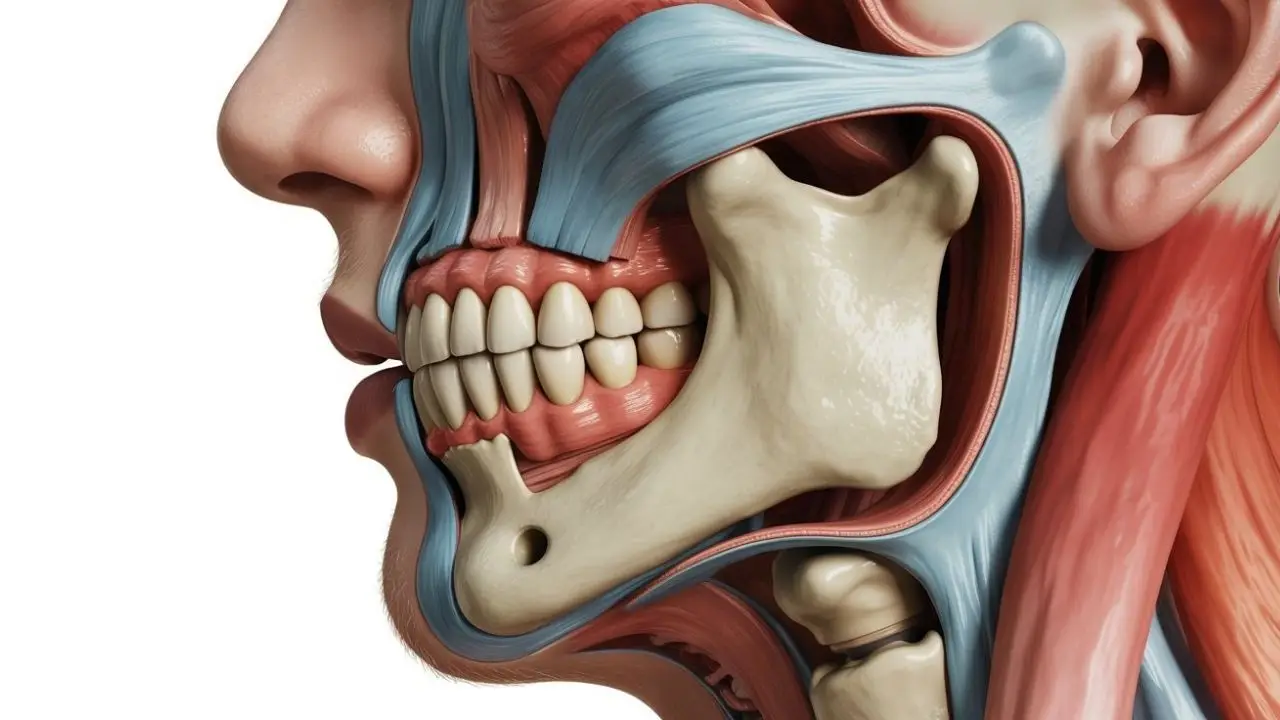
Symptoms of Receding Jaw and Surgical Treatment Approaches
Receding jaw, also referred to as lower jaw recession, occurs when the mandible sits further back than ideal alignment. This condition may affect bite function, facial balance, and airway space over time.
Many individuals notice changes gradually through difficulties with chewing or appearance. Understanding common symptoms helps patients recognize when professional evaluation may be useful.
This article outlines typical signs of receding jaw and reviews general surgical options such as jaw surgery and orthognathic surgery for those considering treatment.
What Is Receding Jaw?
Receding jaw describes a posterior positioning of the lower jaw relative to the upper jaw. It can be present from birth or develop due to growth patterns, trauma, or tooth loss.
The condition influences jaw aesthetics and may contribute to bite irregularities. Each case varies, so individual assessment through clinical examination and imaging is essential.
Common Symptoms of Receding Jaw
Patients often report several noticeable features. These may include:
- Difficulty chewing or biting into certain foods
- Visible chin retrusion affecting facial profile
- Jaw joint discomfort or clicking sounds
- Breathing challenges during sleep in some cases
- Speech changes or lisping
| Symptom | Possible Impact |
|---|---|
| Chin retrusion | Alters facial proportions and jaw aesthetics |
| Bite misalignment | May cause uneven tooth wear or chewing strain |
| TMJ discomfort | Can limit jaw movement range |
| Airway narrowing | Linked to breathing pattern changes |
When Surgical Evaluation May Be Considered
Orthognathic surgery is one approach sometimes discussed for significant lower jaw recession. Suitability depends on skeletal maturity, overall health, and specific anatomical findings.
Pre-surgical planning usually involves three-dimensional imaging and orthodontic preparation. Recovery timelines and outcomes differ among individuals.
General Surgical Treatment Approaches
Jaw surgery aims to reposition the mandible for improved function and balance. Common techniques include sagittal split osteotomy or distraction osteogenesis when indicated.
Non-surgical options such as orthodontics or camouflage treatments may also be reviewed. The choice of method requires thorough discussion with a qualified specialist.
Considerations Before and After Surgery
Patients should understand that any surgical plan must be tailored. Factors like bone quality, nerve positioning, and medical history influence decisions.
Post-procedure care typically focuses on swelling management, nutrition, and gradual return to normal activities. Follow-up appointments help monitor healing progress.
Frequently Asked Questions
Is receding jaw always treated with surgery?
Not every case of lower jaw recession requires jaw surgery. Mild presentations may be managed through orthodontics or monitoring alone.
How is orthognathic surgery planned?
Planning combines clinical measurements, photographs, and advanced scans to determine movement goals. The process is individualized for each patient.
Can jaw aesthetics improve without orthognathic surgery?
Some aesthetic concerns respond to camouflage orthodontic approaches or temporary fillers, though skeletal changes usually need surgical correction.
What symptoms suggest evaluation for receding jaw?
Persistent bite problems, facial imbalance, or functional limitations often prompt further investigation with a specialist.
Are there risks associated with jaw surgery?
As with any procedure, risks exist and vary by individual factors. Detailed discussion with the treating surgeon provides personalized information.
Does lower jaw recession affect breathing?
In certain cases it may narrow airway space. Assessment by an appropriate professional determines whether this applies.
Conclusion
Receding jaw and lower jaw recession present with varied symptoms that may influence daily function and appearance. Surgical options such as orthognathic surgery are among approaches considered after careful evaluation. Personal consultation with a qualified health professional remains necessary to determine the most suitable path.
Expert Information
This content provides general information on oral and maxillofacial topics. A specialist with extensive experience in jaw surgery and orthognathic surgery contributes to accurate clinical context.
This content is for general informational purposes only and does not replace diagnosis or treatment. Consult a dental or medical professional for concerns about jaw health.




