Facial Implants vs Traditional Implants: Key Differences
Facial implant procedures represent a specialized approach within maxillofacial surgery for restoring volume or structure in the face. These differ from traditional implants, which are commonly placed in the jawbone to replace missing teeth. Understanding the distinctions helps patients recognize why each option may be considered in different clinical situations.
The discussion below covers materials, placement sites, functional goals, and general considerations. Every case requires individual assessment through clinical examination and imaging, as suitability varies widely among patients.
What Is a Facial Implant?
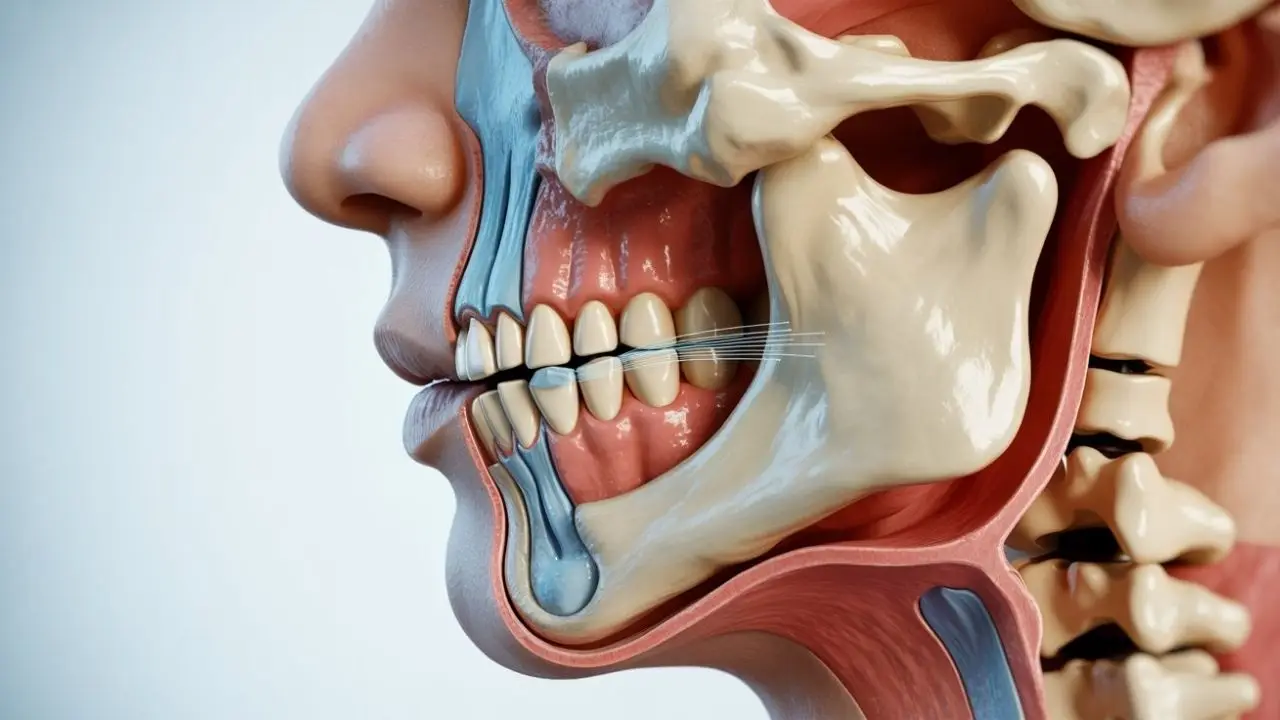
A facial implant is a biocompatible device used to augment or reconstruct facial contours. Common sites include the cheeks, chin, or jaw angles. Materials such as silicone or porous polyethylene are frequently chosen because they integrate with surrounding tissues over time.
What Is a Traditional Implant?
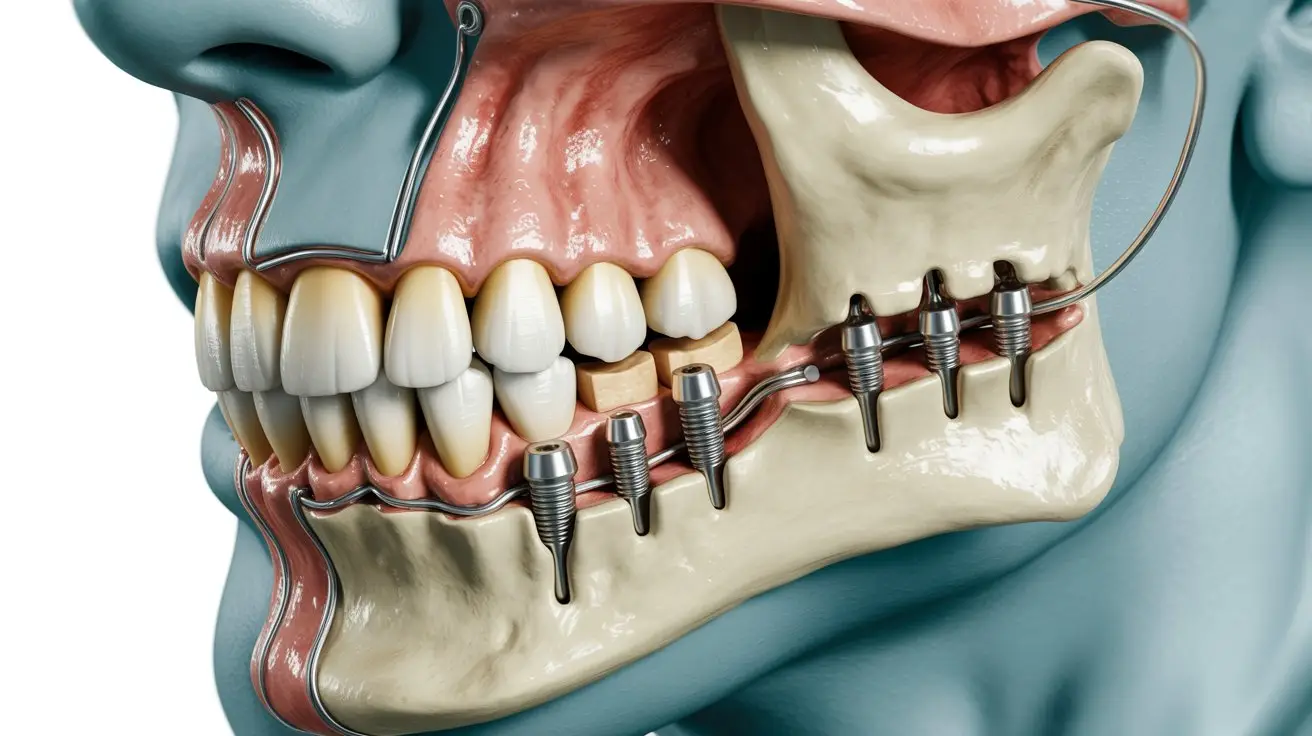
Traditional implants, often called dental or endosseous implants, are inserted directly into the jawbone. They serve as anchors for crowns, bridges, or dentures. Titanium implant surfaces promote osseointegration, allowing the device to become stable within the alveolar bone.
Implant Comparison: Materials and Design
- Facial implants prioritize volume restoration and are usually placed on or above bone.
- Traditional implants focus on load-bearing function inside the bone.
- Both may use titanium components, yet facial prostheses sometimes incorporate additional soft-tissue-compatible layers.
| Aspect | Facial Implant | Traditional Implant |
|---|---|---|
| Primary Site | Cheek, chin, or jaw angle | Alveolar bone of jaws |
| Main Goal | Contour or volume restoration | Tooth replacement support |
| Typical Material | Silicone, polyethylene | Titanium |
| Healing Focus | Soft tissue integration | Osseointegration |
When Might Each Option Be Evaluated?
Facial implant placement may be discussed when congenital asymmetry, trauma, or age-related volume loss affects facial balance. Jaw implant procedures are generally considered after tooth loss or when bone support for prosthetics is insufficient. Neither approach is universal; medical history, bone quality, and aesthetic or functional needs guide decisions.
General Process Considerations
Preoperative evaluation usually includes three-dimensional imaging and medical review. Postoperative care focuses on swelling management, infection prevention, and gradual return to normal activities. Follow-up appointments allow monitoring of healing and any adjustments required.
Potential Risks and Limitations
Both implant types carry risks such as infection, displacement, or need for revision. Facial implants may affect nerve sensation or contour symmetry, while traditional implants can experience peri-implantitis or failure to integrate. These outcomes depend on individual factors and cannot be predicted without personal examination.
Frequently Asked Questions
Can facial implant and traditional implant procedures be combined?
Combination approaches are sometimes planned when both contour restoration and dental rehabilitation are needed. Suitability depends on overall bone stock and soft-tissue condition determined during evaluation.
Is titanium used in facial implant surgery?
Titanium components appear in some facial implant systems, especially fixation plates, although the main body may be another material. Traditional implants rely almost exclusively on titanium for osseointegration.
How long does recovery from a facial implant take?
Initial swelling usually subsides within two to three weeks, yet final contour settling may require several months. Traditional implant healing timelines vary according to bone quality and grafting needs.
Are facial prostheses the same as facial implants?
Facial prostheses are external appliances, whereas facial implants are surgically placed devices. The terms are not interchangeable in clinical discussions.
Who decides between jaw implant and facial implant options?
The decision follows detailed clinical and radiographic assessment by a qualified specialist. No single method suits every patient.
Can either implant type be removed later?
Removal is possible in certain circumstances but involves additional surgery and potential tissue changes. Individual anatomy and reasons for removal influence feasibility.
Expert Information
This content is prepared for general informational purposes in oral and maxillofacial surgery. Prof. Dr. Celal Çandırlı’s more than twenty years of experience and training at England’s NHS Poole Hospital and Newcastle Freeman Hospital support the scientific framing of the topic.
This content is for general informational purposes only and does not replace professional medical advice. Consult a qualified healthcare provider for any concerns regarding facial or jaw health.