What Is Incompetent Lip Seal? Causes and Evaluation Process
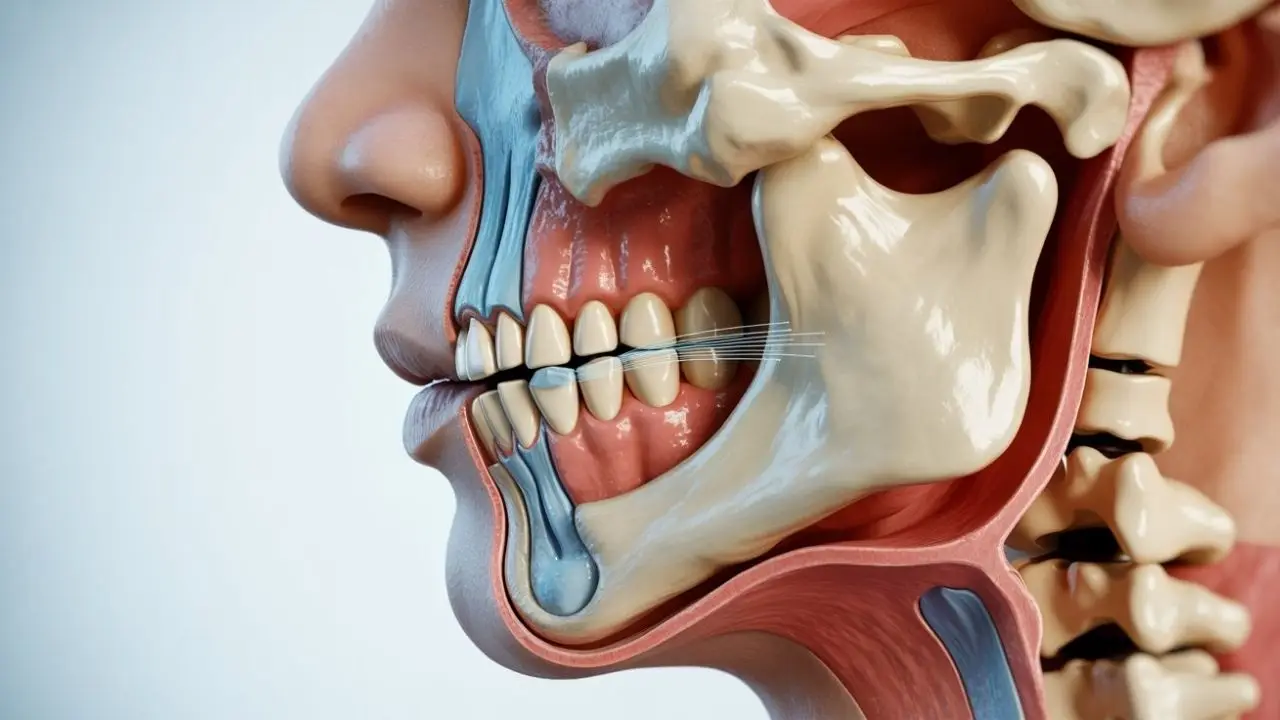
Incompetent lip seal refers to the inability of the upper and lower lips to fully contact each other at rest. This condition may result from variations in jaw structure, muscle function, or tooth alignment in some individuals. It can be considered a finding that may affect daily life.
This article provides general information on the possible causes of incompetent lip seal, evaluation methods, and important considerations. Since each individual’s situation may differ, a personalized assessment is essential.
What Is Lip Closure?
Lip closure is the normal contact that occurs when the lips meet in a relaxed position. Incompetent lip seal, on the other hand, means this contact cannot be achieved. The condition is often associated with mouth breathing, jaw anomalies, or muscle imbalances.
Possible Causes of Incompetent Lip Seal
Incompetent lip seal can arise from various factors. The main causes may include:
- Differences in upper or lower jaw development
- Tooth positioning and occlusion (bite) relationship
- Tone and function of the facial muscles
- Habitual mouth breathing
Considerations During the Evaluation Process
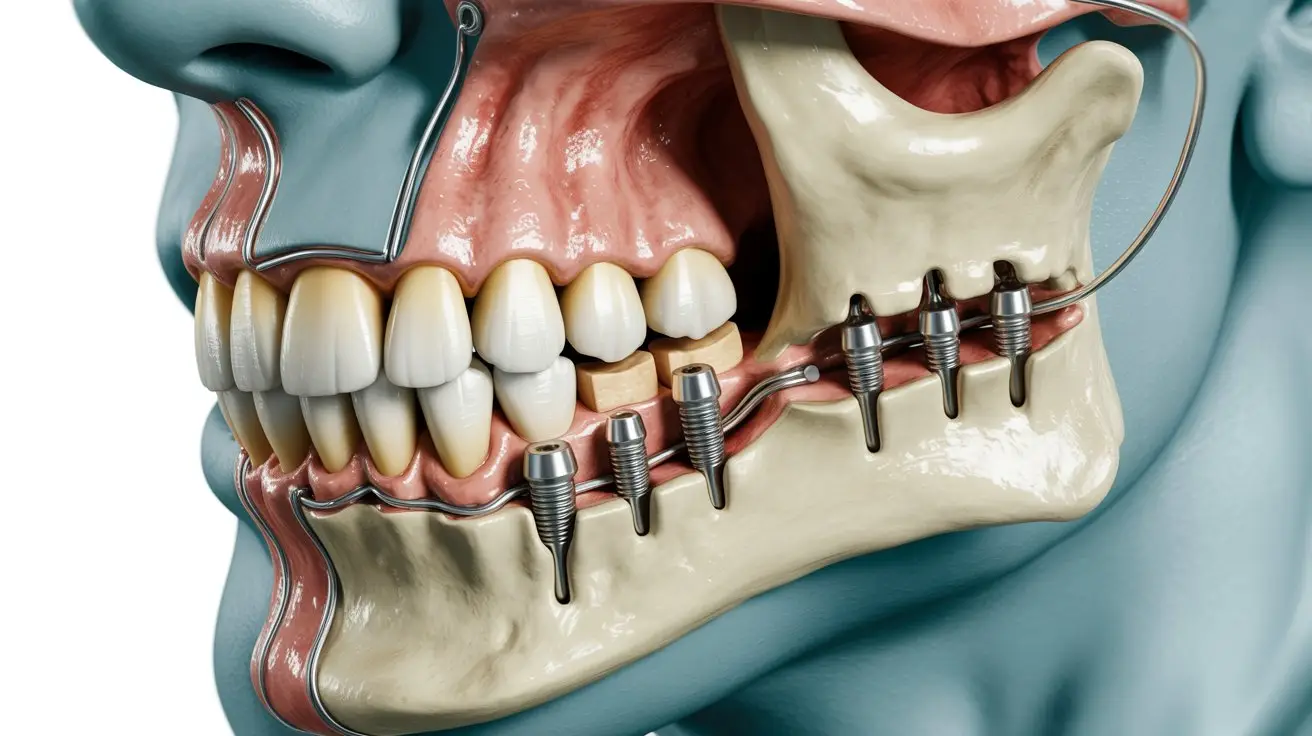
When assessing incompetent lip seal, clinical examination and imaging techniques may be used. The position of the jawbones, alignment of the teeth, and soft tissue relationships can be examined. Three-dimensional imaging techniques may assist in this process.
| Evaluation Method | General Description |
|---|---|
| Clinical Examination | Lip position, jaw relationship, and muscle function can be assessed. |
| Radiographic Imaging | Information about jawbone structure and tooth positions can be obtained. |
| Functional Tests | Lip and tongue movements can be evaluated. |
Assessing Suitability in Cases of Incompetent Lip Seal
Incompetent lip seal may not be approached in the same way for every patient. Suitability can vary depending on the individual’s general health, bone structure, and existing findings. Therefore, a detailed examination may be required.
Points to Consider After the Procedure
The healing process after any intervention may vary between individuals. Preserving lip function and attending regular follow-ups are recommended. Compliance with personalized care instructions is important.
Frequently Asked Questions
Does incompetent lip seal present the same way in everyone?
Incompetent lip seal can occur with varying severity and characteristics in each individual depending on different causes. The condition may become clearer based on evaluation findings.
Is treatment for incompetent lip seal always necessary?
Incompetent lip seal may not require treatment in every case. Suitability and necessity can be determined after clinical evaluation.
Is incompetent lip seal related to jaw structure?
Yes, the position and development of the jawbones can affect lip seal. This relationship can be examined through clinical examination and imaging.
Which age group is more commonly evaluated for incompetent lip seal?
Although it can occur at any age, more careful evaluation may be performed in individuals during growth and development periods.
Is there a method that can be done at home for incompetent lip seal?
Beyond general information on managing this condition, personalized recommendations cannot be provided. A specialist evaluation is strongly recommended.
Can lip exercises be beneficial in cases of incompetent lip seal?
In some situations, approaches that support muscle function may be discussed; however, effectiveness can vary based on individual findings.
Conclusion
Incompetent lip seal can be considered a possible finding related to jaw and facial structure. This article was prepared to raise general awareness and aims to inform readers. A definitive evaluation requires an examination by a dentist or relevant specialist healthcare professional.
Expert Information
This content has been prepared for informational purposes in the field of oral, dental, and maxillofacial surgery. Prof. Dr. Celal Çandırlı’s more than 20 years of professional experience, along with training at England’s NHS Poole Hospital and Newcastle Freeman Hospital, contributes to addressing the topic within a scientific and clinical framework.
This content is intended solely for general informational purposes and does not replace diagnosis or treatment. For complaints related to oral, dental, and maxillofacial health, consult your dentist or a relevant specialist healthcare professional.