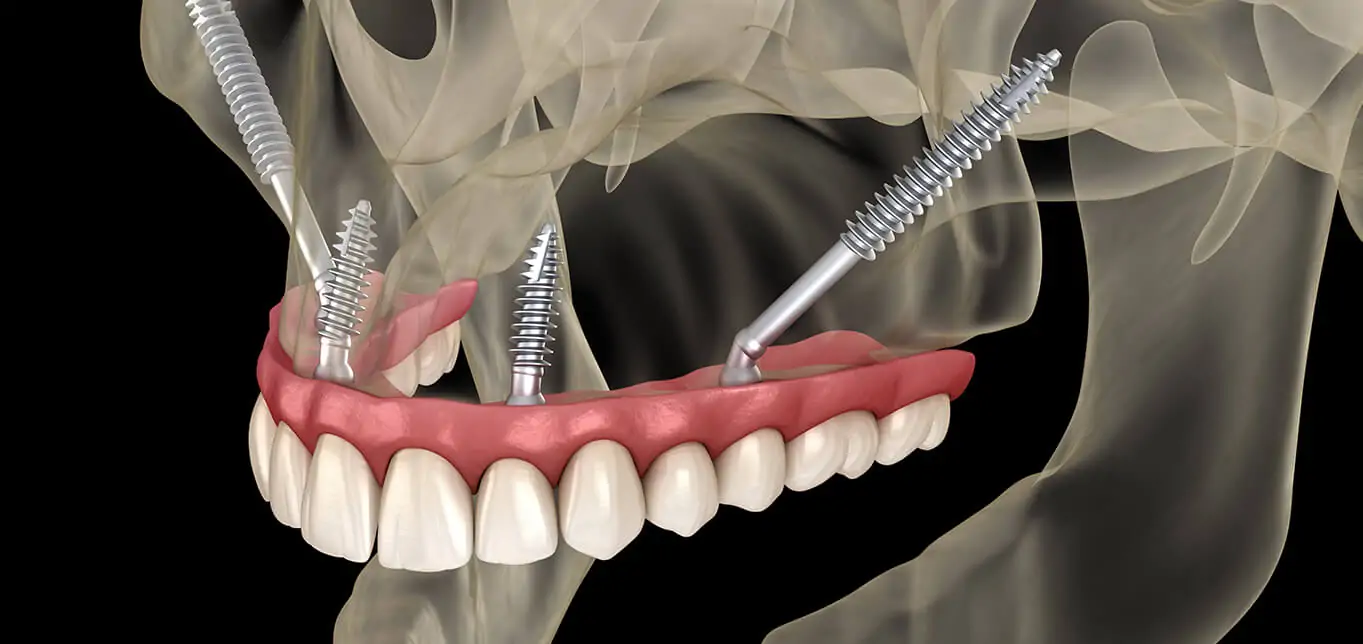
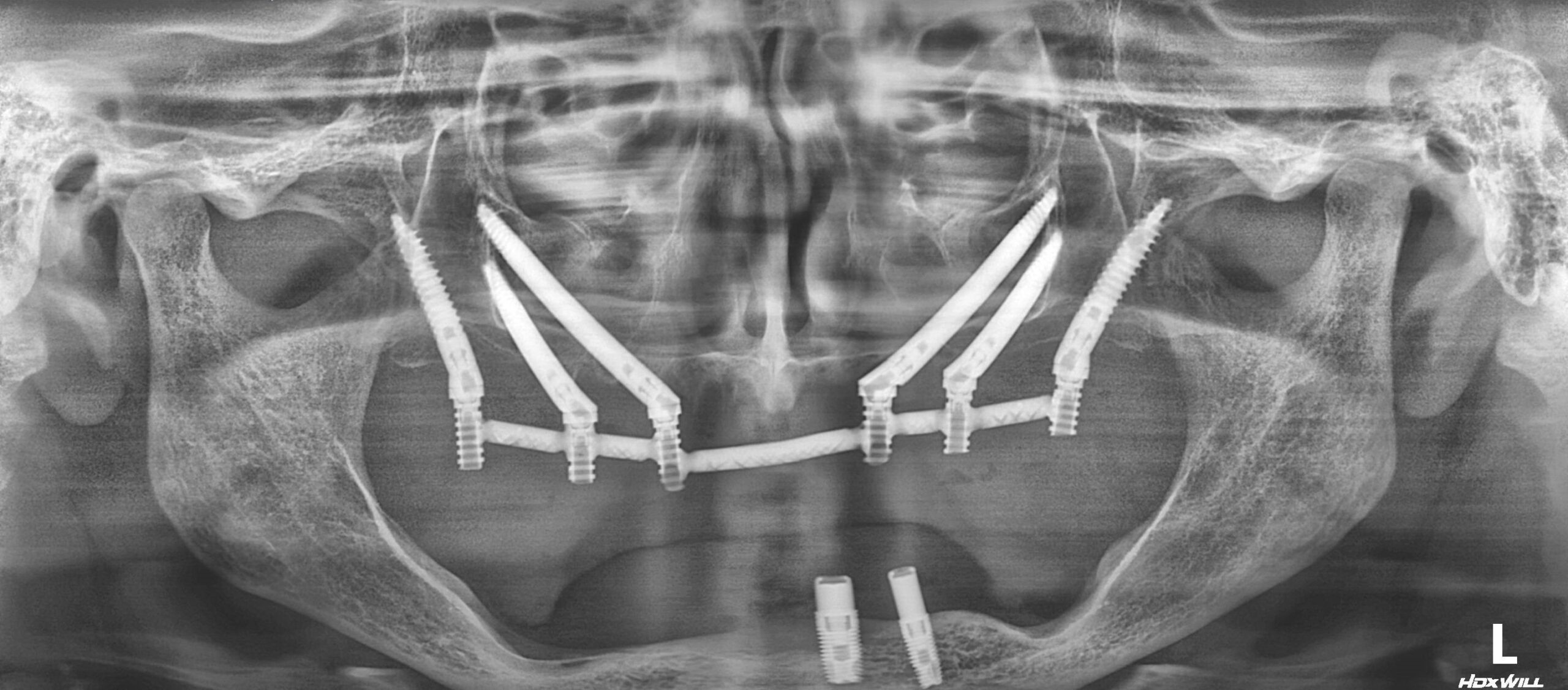
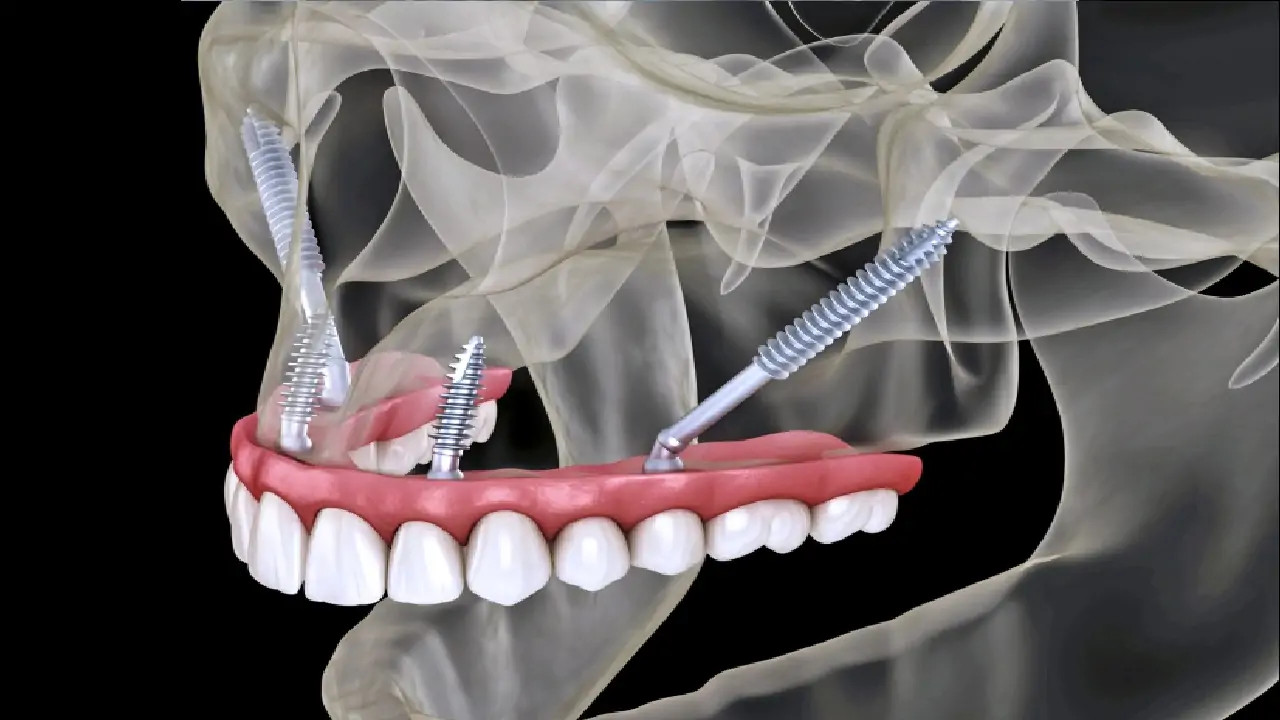
Zygoma implant is an important step in replacing missing or deformed teeth. This treatment, which is different from the classic dental implant, is generally applied to the teeth in the upper jaw. This procedure, which stands out in the field of dental and oral health, and develops day by day, is a procedure we also apply in our clinic.
What is a Zygoma Implant?
Zygoma implant surgery has a larger structure compared to classical implants. For example, while the length of normal implants usually varies between 10-12 cm, zygoma implants can be 30-50 cm.
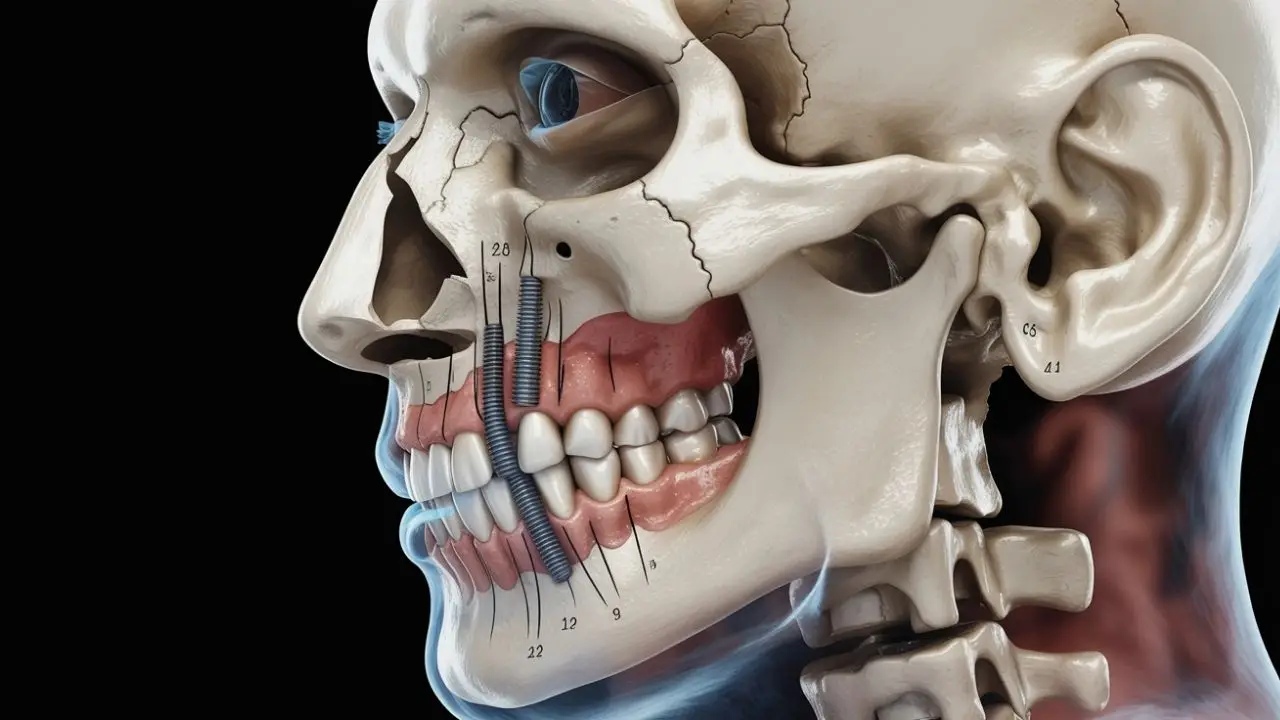
This treatment, which is applied to missing or problematic areas of the upper jaw, has been a ray of hope for people who cannot receive implants. It is applied to the cheekbone. In other words, it is possible to implant the cheekbone without the need to use the upper jawbone.
Who is Suitable for a Zygoma Implant?
The Zygoma implant procedure is a highly effective treatment that is generally applied in cases such as:
Patients with osteoporosis
Patients who have experienced tooth loss at a young age
Patients with tooth loss due to some genetic factors
In cases such as infection or trauma
In the treatment of various dental and gum diseases
How is Zygoma Implant Applied?
Zygoma implant step by step has its own application method. First of all, such treatments must be applied by specialist physicians. During the procedure, the patient is given general anesthesia.
The implant placed in the cheekbones is added by drilling a hole in the bone. After the implant screws are placed, the patient is fitted with a prosthetic tooth.
Zygoma Implant Pros and Cons: What are the Advantages of Zygoma Implant?
Zygoma implant kit is an advantageous procedure and a treatment that has an important place in dentistry. Of course, this procedure, which may differ from patient to patient, may also have some disadvantages. However, the advantages of the treatment outweigh the disadvantages.
Advantages
Disadvantages
It allows implants to be placed in the upper jaw without bone grafting.
As with any implant treatment, the healing process in this treatment may be long.
It is the most successful dental implant procedure. It has a higher success rate compared to the classical dental implant.
It is necessary to strictly follow the recommendations given during the recovery process.
The healing process is easy.
As with any treatment, there may be complications in the zygoma implant procedure.
It can also be applied to patients with cleft lip.
It is more costly than the classic dental implant.
Most of the disadvantages we mentioned are related to the patient’s recovery process. Correctly completing this process will ensure the treatment is successful.
After the Treatment: Healing Process
After the surgery, there may be a feeling of pain in the treated area. Your doctor will give you appropriate medications for this. It is also important that you follow the diet determined by your doctor during this process. You can return to your normal diet three months after the treatment.
Frequently Asked Questions
We wanted to answer the most curious and frequently asked questions about treatment in this section.
What are Zygomatic Implants?
This treatment applied to the upper jaw is performed by placing implant screws in the cheekbones. In this way, missing teeth in the relevant area can be eliminated.
How Long Do Zygomatic Implants Last?
Implant teeth can be used without any problems for at least 12 years. Of course, this process may take longer depending on the patient’s condition.
Are Zygomatic Implants More Expensive?
This procedure may be more expensive than traditional dental implant treatment.
How Successful are Zygomatic Implants?
The success rate of the treatment is quite high. So much so that zygomatic implants can be more successful than other implants.
What Is a Zygomatic Implant?
A zygomatic implant is a specialized dental implant that is anchored in the zygomatic bone (cheekbone) rather than the upper jawbone. It is primarily used for patients with severe upper jaw bone loss who are not suitable candidates for conventional dental implants.
How Long Do Zygomatic Implants Last?
Zygomatic implants are designed to be a long-term solution and can last for decades when properly placed and maintained. With good oral hygiene and regular dental follow-ups, many patients keep their zygomatic implants for 20 years or more.
What Are the Disadvantages of Zygomatic Implants?
The main disadvantages include a more complex surgical procedure, longer operation time, and higher cost compared to regular implants. There may also be temporary swelling, sinus-related discomfort, or numbness during the healing period.
How Much Do Zygomatic Implants Cost?
The cost of zygomatic implants varies depending on the number of implants required, surgical complexity, and clinic location. They are generally more expensive than traditional implants due to advanced surgical expertise and technology involved.
Are Zygomatic Implants Better Than Regular Implants?
Zygomatic implants are not necessarily better, but they are more suitable for patients with severe bone loss. For patients with adequate jawbone volume, regular dental implants are usually simpler, less invasive, and more cost-effective.
What Is the 3/2 Rule for Dental Implants?
The 3/2 rule refers to a treatment concept where three implants are placed on one side and two on the other to support a full-arch prosthesis. This approach helps distribute biting forces evenly and improve stability in complex cases.
What Is the Alternative to Zygomatic Implants?
Alternatives include bone grafting followed by traditional implants, sinus lift procedures, or subperiosteal implants. The best option depends on bone volume, general health, and treatment goals.
What Do Dental Implants Look Like After 20 Years?
After 20 years, well-maintained dental implants typically remain stable and functional. While the prosthetic teeth may need replacement over time, the implant fixtures themselves often remain intact.
What Is the Cheapest Option to Replace Missing Teeth?
The most affordable options are usually removable dentures or dental bridges. However, while cheaper initially, they may require more maintenance and replacement compared to implants.
Is a Zygomatic Implant Painful?
Zygomatic implant surgery is performed under anesthesia, so pain during the procedure is minimal. Post-operative discomfort is common but usually manageable with medication and typically improves within a few days.
What Is the Failure Rate of Zygomatic Implants?
Zygomatic implants have a high success rate, often reported above 95%. Failures are rare and usually related to infection, poor healing, or improper surgical planning.