Noticing a clicking or popping sound on only one side of your jaw when opening, closing, or chewing—especially without pain—can feel unsettling. Many people immediately worry that something is wrong with their jaw joint. However, unilateral jaw clicking is quite common and often occurs in otherwise healthy individuals. In most cases, it is related to the natural movement mechanics of the temporomandibular joint (TMJ) rather than a serious disorder.
Understanding why jaw clicking happens, how to interpret it, and when it requires attention can help reduce unnecessary anxiety. Being informed also allows you to take simple steps to protect your jaw health and recognize warning signs early.
What Is Jaw Clicking? Jaw Clicking on One Side Without Pain
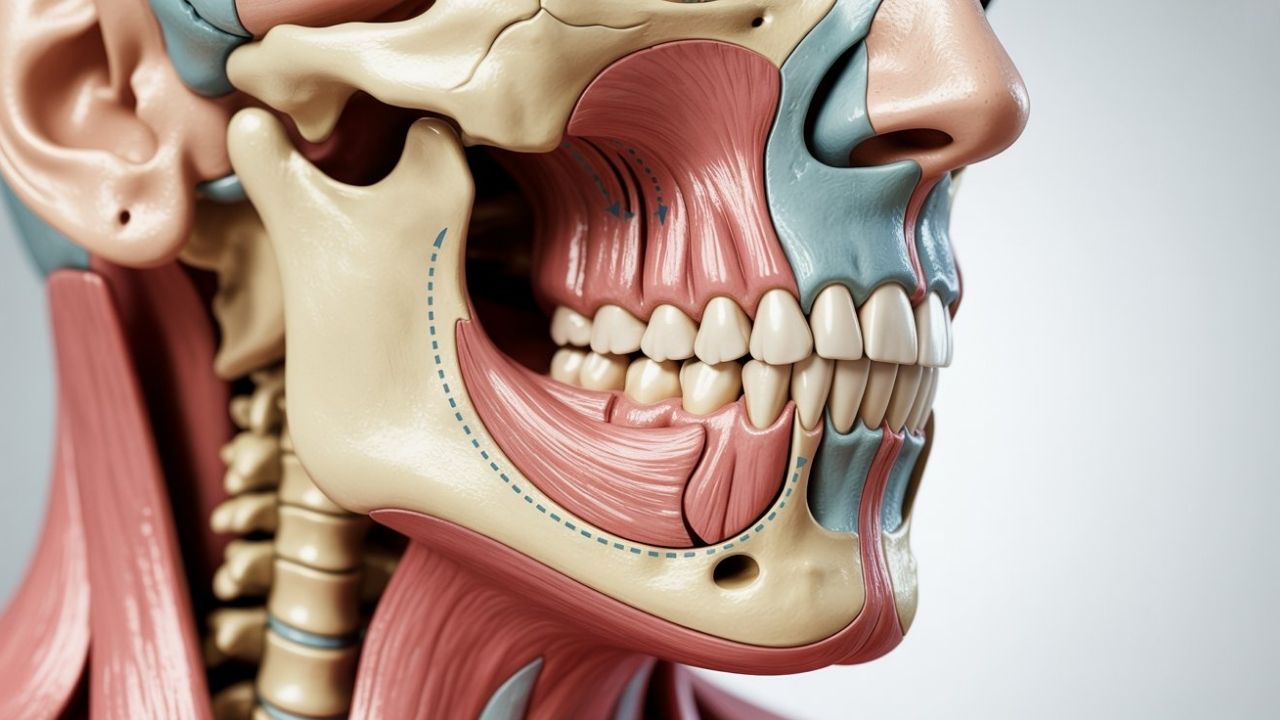
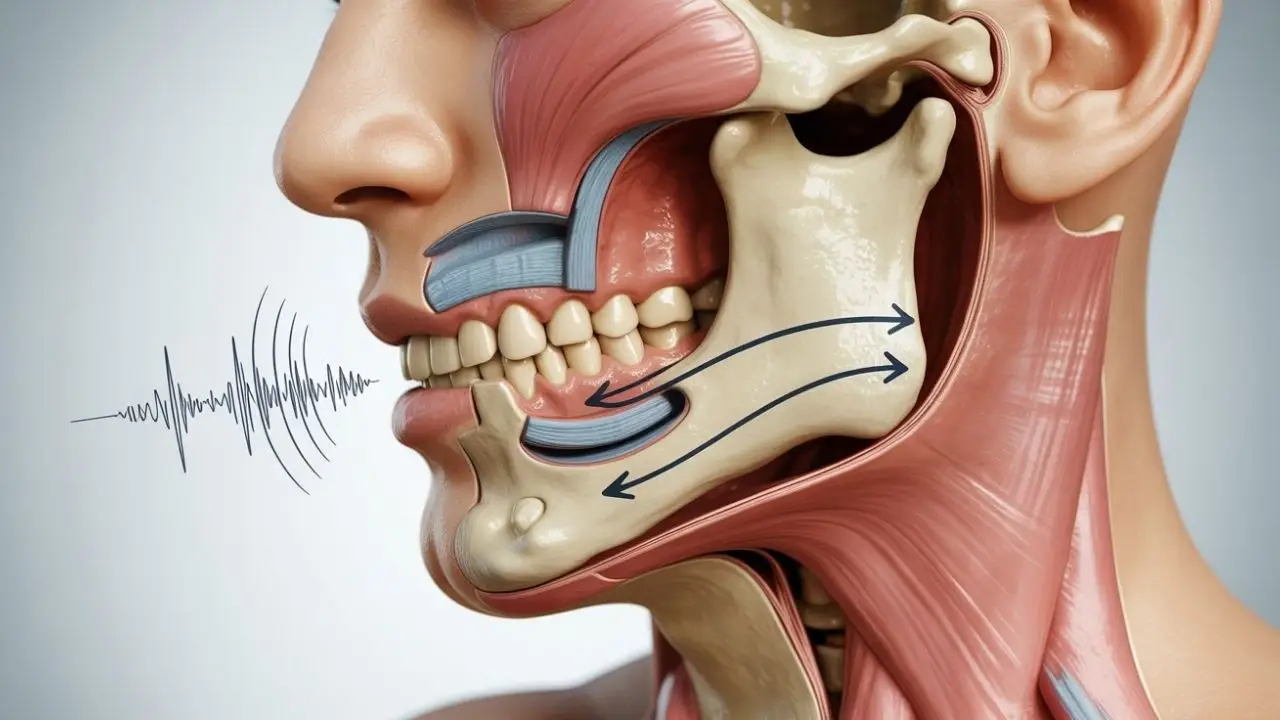
Jaw clicking is a sound—often described as a click, pop, or snap—that occurs when the temporomandibular joint moves. The TMJ connects the lower jaw (mandible) to the skull and functions as a complex sliding hinge on each side of the face. When the joint structures do not glide perfectly smoothly, an audible sound can occur during movement.
This clicking may happen while talking, chewing, yawning, or opening the mouth wide. Many people experience jaw clicking without any pain or functional limitation. Importantly, the presence of sound alone does not automatically mean there is damage or disease in the joint.
Why Does Jaw Clicking Happen on One Side?
Why Does Jaw Clicking Happen on One Side?
Jaw clicking on one side usually means that the two temporomandibular joints are not moving in exactly the same way. Minor asymmetries in jaw motion are very common, and even subtle differences can cause one joint to produce sound while the other remains silent.
In many cases, the clicking is caused by the movement of a small cartilage disc inside the joint. When this disc shifts slightly out of position and then slides back into place during jaw movement, it can create a clicking or popping sound.
Over time, the joint may adapt to this movement pattern. As long as there is no pain, locking, or restriction, this adaptation is often harmless and does not interfere with daily function.
Common Causes of Asymmetrical Jaw Clicking on One Side Without Pain
1. Temporary Disc Displacement
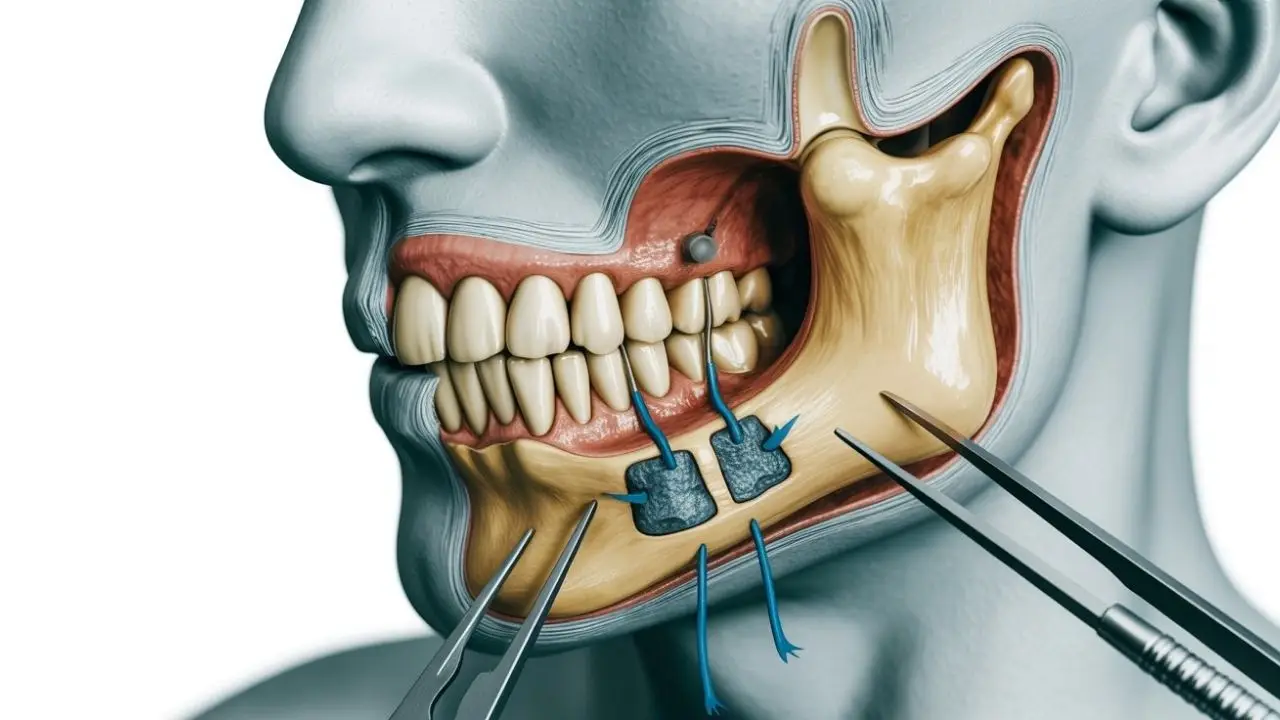
One of the most common reasons for jaw clicking on one side is temporary displacement of the TMJ disc. The disc normally sits between the jawbone and skull, acting as a cushion during movement. If it shifts slightly forward or sideways, a clicking sound may occur when it returns to its normal position.
This type of disc movement often happens without pain and may be noticed only during specific motions such as wide opening or chewing on one side.
2. Muscle Tension and Habitual Jaw Use
Jaw muscles can become tight or overactive on one side due to habits like clenching, grinding teeth, or chewing predominantly on one side. Uneven muscle activity can alter how the joint moves and increase the likelihood of clicking.
Stress, anxiety, gum chewing, nail biting, or unconscious jaw clenching can all contribute to muscle imbalance. Over time, this imbalance may lead to unilateral jaw noises even in the absence of pain.
3. Malocclusion (Bite Misalignment)
If the teeth do not come together evenly when biting, one temporomandibular joint may experience different forces than the other. This uneven loading can change the movement pattern of the joint and result in clicking on one side.
While bite misalignment does not always cause symptoms, it can influence jaw mechanics and increase the likelihood of joint sounds.
4. Prior Injury or Minor Trauma
Even minor trauma to the jaw—such as a fall, sports impact, or forceful yawning—can affect how the TMJ functions on one side. These changes may be subtle and not remembered as a significant injury.
Such minor structural alterations can influence disc movement and joint alignment, leading to clicking without pain.
5. Early Joint Wear or Degenerative Changes
Age-related changes or mild joint wear can alter how the joint surfaces glide against each other. In early stages, these changes may produce clicking or popping without noticeable pain or stiffness.
Although degenerative conditions are more often associated with discomfort, mild forms may initially present only as sound during movement.
Is Jaw Clicking Without Pain Normal? Jaw Clicking on One Side Without Pain
Is Jaw Clicking Without Pain Normal? Jaw Clicking on One Side Without Pain
Yes, jaw clicking without pain is often considered normal. Many people experience clicking or popping sounds throughout their lives without developing jaw pain, locking, or movement restriction.
Clicks that occur only during wide opening—such as yawning—and do not interfere with chewing or speaking are usually not a cause for concern.
In these situations, clinicians often consider the clicking a benign variation of normal joint function, especially if it has been present for a long time without progression.
When Should You Be Concerned About Jaw Clicking on One Side Without Pain
Although painless clicking is usually harmless, certain changes may indicate the need for professional evaluation:
Clicking becomes more frequent, louder, or persistent.
The jaw begins to feel stiff, locked, or difficult to open fully.
Pain develops in the jaw, face, ear, head, or neck.
You notice sudden changes in your bite or facial symmetry.
If any of these symptoms appear, consulting a dentist, oral surgeon, or TMJ specialist can help identify the underlying cause and prevent potential complications.
Diagnosis of Unilateral Jaw Clicking
Diagnosis typically begins with a detailed medical and dental history, followed by a physical examination. The clinician listens to jaw sounds, observes jaw movement, and gently palpates the joint and surrounding muscles.
If symptoms persist or worsen, imaging studies such as X-rays, MRI, or CT scans may be used to assess joint structures, disc position, and bone alignment.
Non-Painful Jaw Clicking: Typical Features
Jaw clicking without pain often shares certain characteristics:
Occurs mainly during wide opening or closing.
Has been present for a long time without significant change.
No visible swelling or facial asymmetry.
No difficulty with chewing, speaking, or yawning.
In these cases, many healthcare providers recommend observation and simple self-care rather than aggressive treatment.
Treatment and Management Options for Jaw Clicking on One Side Without Pain
Even when jaw clicking is painless, certain measures can support joint health and reduce stress on the TMJ.
Lifestyle Modifications
Avoiding very hard or chewy foods and limiting extreme jaw movements can help reduce joint strain. Reducing habits such as gum chewing or nail biting may also improve jaw comfort.
Maintaining awareness of jaw posture—keeping the teeth slightly apart and muscles relaxed when not eating—can prevent unnecessary tension.
Physical Therapy and Exercises
Gentle jaw exercises, stretching, and posture correction can improve muscle coordination and joint stability. Massage and relaxation techniques may further reduce muscle tension around the TMJ.
Dental Appliances
In individuals who clench or grind their teeth, custom-made mouth guards or splints may help reduce stress on the joint. These appliances can protect the teeth and sometimes decrease the frequency of clicking.
Monitoring Over Time
For painless clicking, regular monitoring is often sufficient. Periodic dental or medical check-ups can ensure that the condition remains stable and does not progress.
Why Choose Prof. Celal Çandırlı for Jaw Clicking?
Prof. Celal Çandırlı is a highly experienced oral and maxillofacial surgeon who specializes in the diagnosis and treatment of jaw clicking and temporomandibular joint (TMJ) disorders. His approach focuses on identifying the underlying anatomical and functional cause of jaw clicking rather than only addressing the sound itself. This ensures that treatment targets the root of the problem and helps prevent long-term joint damage.
One of the main reasons patients prefer Prof. Çandırlı is his comprehensive diagnostic strategy. He evaluates jaw movement, joint mechanics, muscle balance, and bite alignment in detail, allowing him to distinguish between harmless joint sounds and conditions that may progress over time. This careful assessment helps patients avoid unnecessary treatments while ensuring timely intervention when needed.
Prof. Çandırlı places strong emphasis on conservative and personalized care. For patients with jaw clicking without pain, he often recommends monitoring, lifestyle adjustments, and non-invasive therapies to protect joint health. When pain, locking, or functional limitation is present, treatment plans are tailored to the individual’s anatomy and daily habits.
In cases where surgical treatment becomes necessary, Prof. Çandırlı applies advanced and minimally invasive jaw surgery techniques aimed at restoring normal joint function while preserving facial structure and aesthetics. His expertise in facial anatomy and maxillofacial surgery allows for precise correction with a focus on long-term stability and recovery.
Through a patient-centered approach that combines clinical experience, detailed anatomical understanding, and individualized treatment planning, Prof. Celal Çandırlı is a trusted choice for patients seeking effective and reliable care for jaw clicking and TMJ-related problems.
Frequently Asked Questions (Jaw Clicking on One Side Without Pain)
Jaw clicking on one side without pain is common and often benign, particularly when it occurs only during certain movements and does not affect daily function. It is frequently related to minor disc movement, muscle tension, or subtle joint asymmetry.
If clicking becomes painful, persistent, or is accompanied by functional problems, professional evaluation is recommended. Early assessment helps protect long-term joint health.
Ultimately, jaw sounds without pain do not automatically signal dysfunction. Understanding the causes and knowing what changes to watch for allows you to make informed decisions about your jaw and overall oral health.
Jaw Clicking on One Side: Treatment Options
Treatment for jaw clicking on one side depends on whether pain, locking, or functional limitation is present. In painless cases, treatment may not be necessary beyond lifestyle adjustments such as avoiding hard foods and reducing jaw strain. If symptoms persist or worsen, treatment may include physical therapy, dental splints, bite correction, or in rare cases medical or surgical intervention.
Jaw Clicking on One Side: Exercises
Jaw exercises can help improve muscle coordination and joint stability. Gentle opening and closing movements, controlled jaw stretches, and relaxation exercises for the jaw and neck muscles are commonly recommended. These exercises aim to reduce muscle tension and improve how the temporomandibular joint moves on the affected side.
Jaw Popping Treatment
Jaw popping is treated based on its cause. Conservative treatments include rest, soft diets, warm compresses, stress management, and avoiding excessive jaw movements. In more persistent cases, dentists or TMJ specialists may recommend splints, physical therapy, or targeted medical treatment.
Jaw Clicking Without Pain
Jaw clicking without pain is often considered normal and usually does not require treatment. Many people experience painless clicking due to minor disc movement within the joint. As long as there is no pain, locking, or limitation in jaw movement, monitoring the condition is typically sufficient.
Jaw Clicking on One Side With Pain
When jaw clicking is accompanied by pain, it may indicate inflammation, disc displacement, muscle strain, or joint degeneration. In these cases, professional evaluation is important. Treatment may involve pain management, anti-inflammatory measures, physical therapy, dental appliances, or further diagnostic imaging.
Is Jaw Clicking Normal?
Yes, jaw clicking can be normal, especially when it occurs occasionally and without pain. Many healthy individuals experience joint sounds throughout their lives. Jaw clicking becomes a concern mainly when it is persistent, painful, or associated with restricted movement.
Is Clicking Jaw a Sign of Cancer?
Jaw clicking is not a typical sign of cancer. It is most commonly related to temporomandibular joint mechanics, muscle tension, or disc movement. Cancer-related jaw symptoms usually involve persistent pain, swelling, unexplained masses, numbness, or difficulty opening the mouth, rather than simple clicking sounds.
Why Is My Jaw Clicking When I Eat?
Jaw clicking while eating often occurs because chewing places uneven or increased load on the temporomandibular joint. This can cause the joint disc to shift temporarily, producing a clicking sound. Muscle imbalance, chewing predominantly on one side, or bite misalignment can also contribute to clicking during meals.