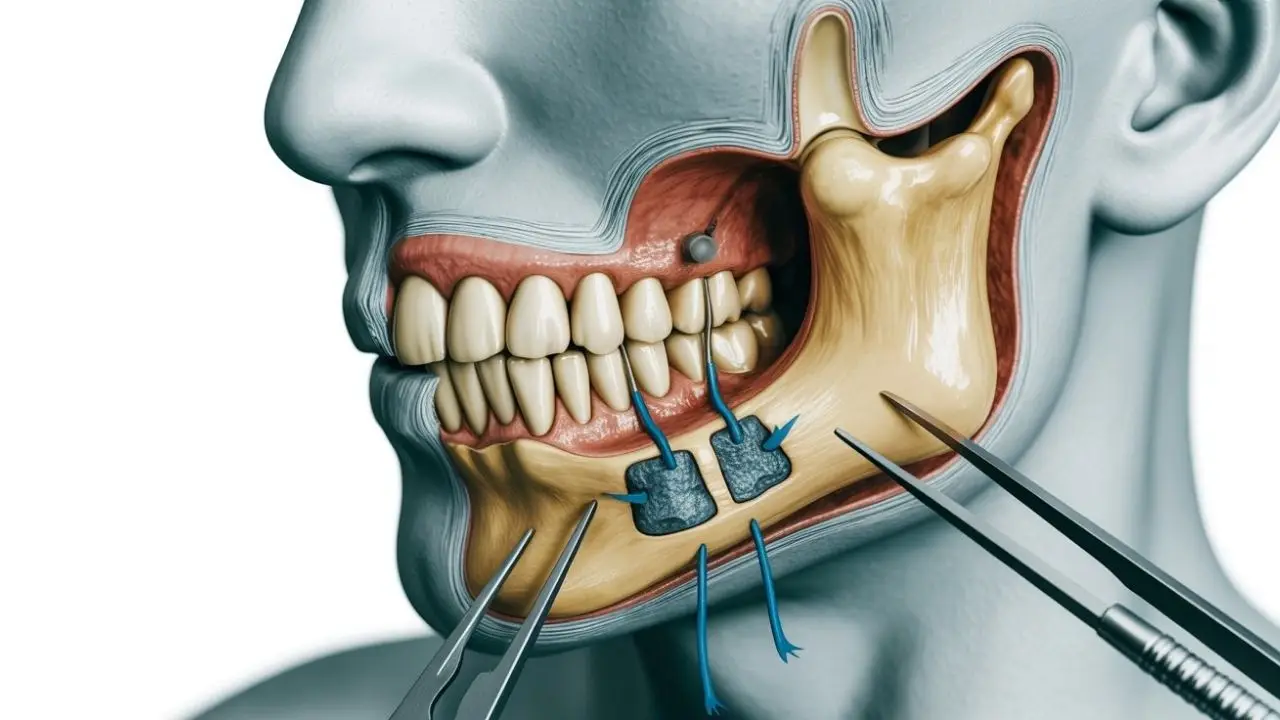
About Orthognathic Surgery is one of the most important subjects for patients who have jaw misalignment, difficulty chewing, speaking problems or facial imbalance. Orthognathic surgery, also known simply as jaw surgery, is designed to correct skeletal and dental irregularities that cannot be treated with orthodontics alone. By learning About Orthognathic Surgery in detail, patients better understand how this treatment improves both function and facial aesthetics, offering long-term structural correction rather than a temporary cosmetic change.
Many people search for reliable information About Orthognathic Surgery because the procedure not only realigns the jaws but also helps improve breathing, sleep quality, TMJ function and bite stability. The jaws may be repositioned forward, backward, upward or downward depending on the unique needs of each patient. As a result, About Orthognathic Surgery is not just a medical topic but a journey toward better oral health, improved confidence and balanced facial proportions.
What Should You Know About Orthognathic Surgery?
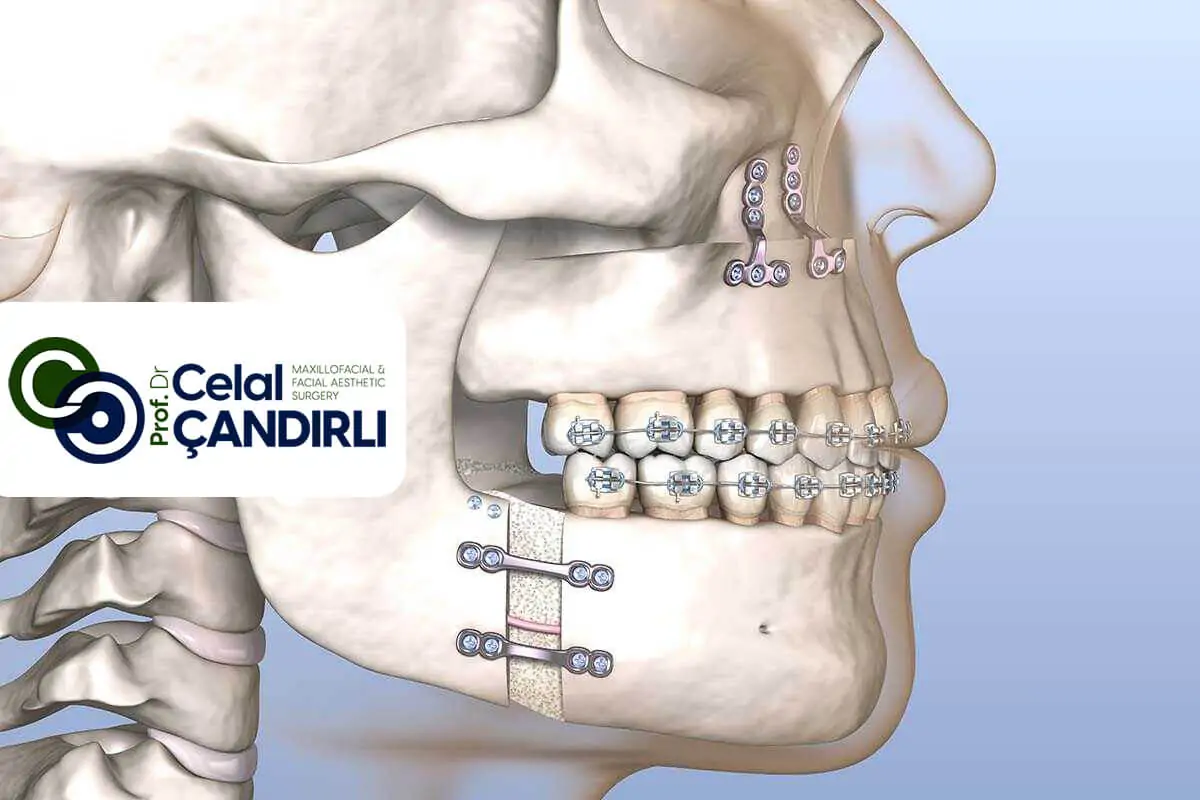
When learning About Orthognathic Surgery, the first question most patients ask is what the surgery actually involves. Orthognathic surgery is a corrective jaw procedure performed by an oral and maxillofacial surgeon to reposition the upper jaw, lower jaw or both. It is usually carried out in cooperation with orthodontic treatment, meaning braces are used before and after the surgery to align the teeth in harmony with the new jaw position. Understanding About Orthognathic Surgery also means understanding that it is performed under general anesthesia and that internal plates and screws hold the bones in their new position while healing takes place.
Patients who research About Orthognathic Surgery often do so because of problems such as a severe overbite, underbite, open bite, facial asymmetry or jaw growth irregularities. These conditions can lead to chewing problems, speech difficulty, jaw strain, TMJ discomfort and even breathing challenges. By studying About Orthognathic Surgery thoroughly, patients realize that the goal is to restore correct alignment while also improving the natural appearance of the face.
About Orthognathic Surgery
How Long Does it Take to Heal From Jaw Surgery?
Another common topic found in resources About Orthognathic Surgery is the healing timeline. Recovery occurs in stages and varies from person to person. In the first one to two weeks, swelling and discomfort are expected, and most patients follow a soft or liquid diet during this time. When reading About Orthognathic Surgery, you will see that many patients return to light activities after about two weeks, although the jaw continues healing beneath the surface.
The deeper healing process described in medical sources About Orthognathic Surgery typically lasts six to eight weeks as the bone stabilizes around the fixation plates and screws. Subtle changes and final settling of the bite may continue for several months. Orthodontic treatment also continues after surgery, which is why learning About Orthognathic Surgery helps patients prepare for a structured and guided recovery process.
How Much Weight Do You Lose After Jaw Surgery?
When researching About Orthognathic Surgery, many patients wonder whether they will lose weight afterward. Because the early recovery period includes soft or liquid foods, some degree of weight loss is common. However, when guided properly, nutritional intake remains sufficient to support healing. Dieticians and surgeons who educate patients About Orthognathic Surgery emphasize the importance of high-calorie, nutrient-dense meals to support bone repair and energy levels.
About Orthognathic Surgery information also highlights that weight loss should not be considered a goal, but rather a temporary side effect caused by reduced chewing activity and post-operative recovery. Once normal eating resumes, most patients regain weight and stabilize.
Can Your Jaw Move Back After Jaw Surgery?
Relapse is another topic frequently discussed in guides About Orthognathic Surgery. Modern techniques greatly reduce the risk of the jaw returning to its previous position. With digital planning, stable fixation and experienced surgical execution, the long-term stability rate described in scientific literature About Orthognathic Surgery is very high. Minor changes as the bite settles are normal and do not indicate failure.
Following instructions About Orthognathic Surgery is essential. Patients are advised to follow dietary restrictions, avoid pressure on the jaw and attend all follow-up appointments. This ensures that the results achieved using the About Orthognathic Surgery treatment pathway remain stable for the long term.
How Painful is Orthognathic Surgery?
Anyone reading About Orthognathic Surgery will eventually ask whether the procedure is painful. During the surgery itself, patients are under general anesthesia and feel no pain. Afterward, discomfort, pressure and tightness may be present for a few days. Pain management is an important part of any recovery plan described in credible resources About Orthognathic Surgery, and most patients report that discomfort becomes manageable shortly after the procedure.
Swelling, limited jaw movement and temporary numbness may be more noticeable than pain itself. By following instructions About Orthognathic Surgery carefully, including rest and medication protocols, patients find that discomfort gradually fades during the recovery period.
What are the Negatives of Jaw Surgery?
Balanced information Orthognathic Surgery must also address potential drawbacks. Temporary swelling, bruising, restricted diet, speech difficulty and time away from normal activities are part of the recovery experience. Medical risks such as infection, bleeding or nerve-related sensation changes are also possible, although modern techniques continue to minimize these risks. Emotional adjustment is another aspect discussed in honest educational content About Orthognathic Surgery, as changes in facial appearance may take time to accept.
The key theme repeated in trusted sources About Orthognathic Surgery is that clear expectations, realistic goals and informed consent are essential. Most patients find the benefits outweigh the challenges when supported by a skilled surgical team.
About Orthognathic Surgery
Does Your Face Change After Jaw Surgery?
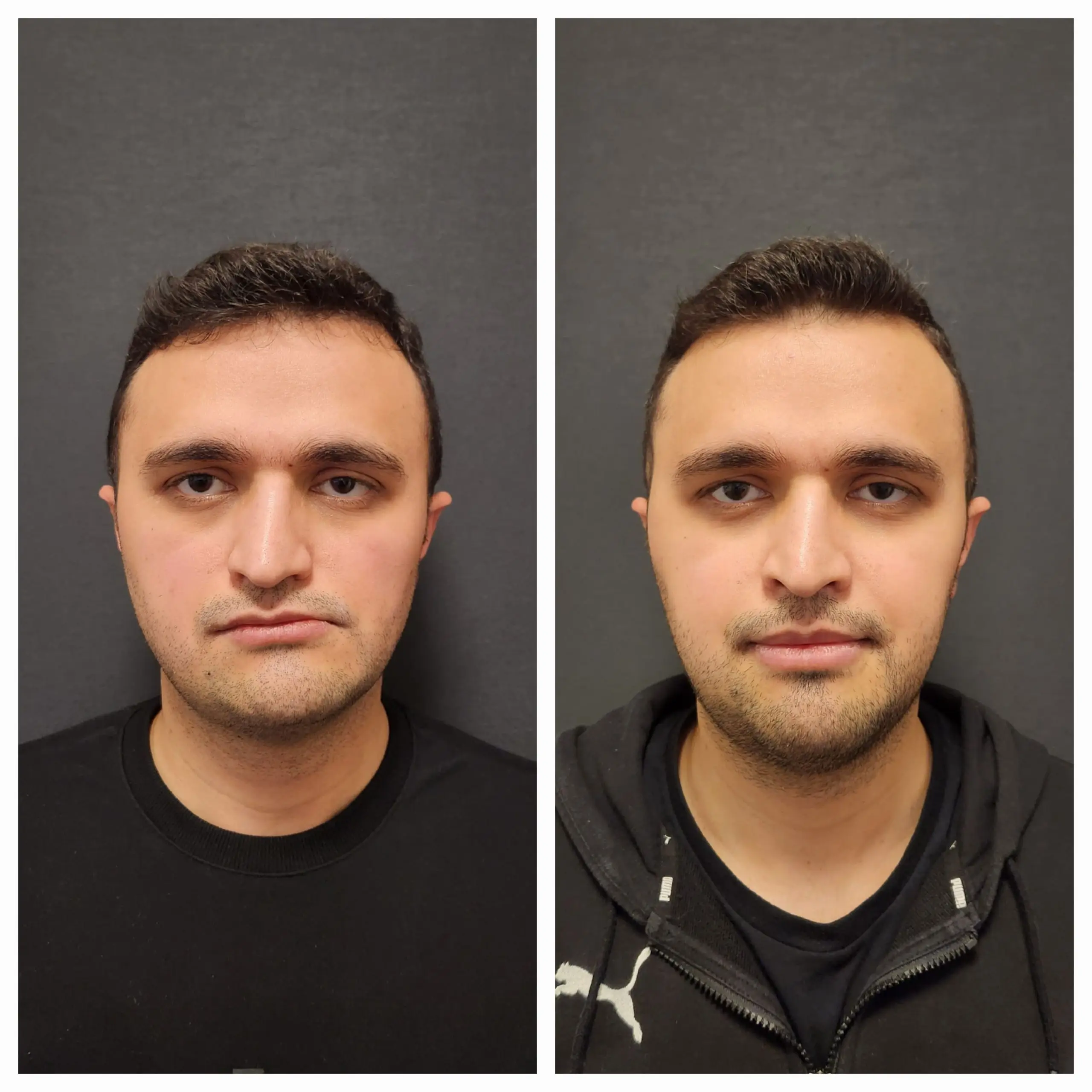
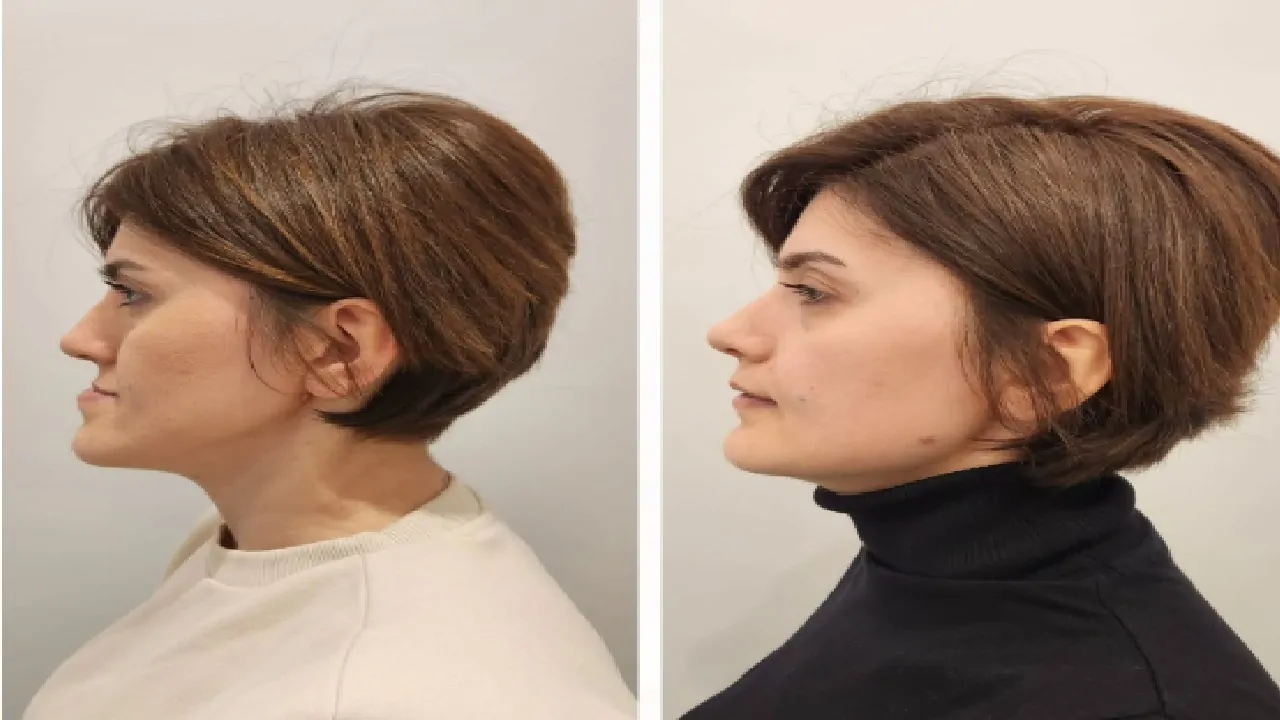
Patients exploring About Orthognathic Surgery often want to know how much their face will change. Jaw repositioning can significantly improve facial balance, symmetry and profile harmony. For example, advancing the lower jaw can strengthen a weak chin, while correcting the upper jaw can improve smile aesthetics. These improvements highlighted in educational materials About Orthognathic Surgery typically enhance not only function but also appearance.
Advanced digital planning tools, commonly discussed in professional articles About Orthognathic Surgery, help surgeons predict aesthetic outcomes before treatment. This allows patients to understand expected changes clearly and confidently.
What to Avoid After Jaw Surgery?
Post-operative care instructions Orthognathic Surgery strongly emphasize protection of the healing jaw. Hard or chewy foods should be avoided until the surgeon confirms stability. Smoking, alcohol, contact sports and unnecessary pressure on the jaw area are also discouraged. These precautions are clearly outlined in aftercare guides About Orthognathic Surgery to protect bone healing and prevent complications.
Patients are encouraged to rest, elevate the head while sleeping and maintain excellent oral hygiene. By carefully following professional guidance About Orthognathic Surgery, individuals support a smoother recovery and long-lasting surgical success.
In conclusion, learning thoroughly About Orthognathic Surgery helps patients feel confident, prepared and informed throughout their treatment journey. By understanding the goals, benefits, risks and recovery process, each person can make the best decision for their health, function and quality of life.
Why Prof Dr Celal Çandırlı for Orthognathic Surgery?
Choosing the right surgeon is one of the most important decisions when considering orthognathic surgery, and Prof. Dr. Celal Çandırlı stands out as a highly trusted name in the field of maxillofacial surgery. With extensive clinical experience, advanced academic background and a patient-focused treatment philosophy, he approaches each case with precision planning and individualized care. His expertise ensures that both the functional and aesthetic aspects of jaw correction are carefully evaluated, helping patients achieve a balanced bite, improved jaw function and natural-looking facial harmony.
Another reason many patients prefer Prof. Dr. Celal Çandırlı for orthognathic surgery is his commitment to modern surgical techniques and technology. Digital planning, detailed pre-operative assessment and meticulous surgical execution all contribute to safer procedures and more predictable outcomes. From the first consultation to the final follow-up, patients are guided through every stage of the process with clear communication and compassionate support. This comprehensive and reassuring approach allows individuals to feel confident, informed and secure throughout their orthognathic surgery journey.
Frequently Asked Questions About Orthognathic Surgery
Is orthognathic surgery a major surgery?
Yes, orthognathic surgery is considered a major surgical procedure because it involves repositioning the upper jaw, lower jaw or both under general anesthesia. Although it is major surgery, it is performed by highly trained oral and maxillofacial surgeons using modern techniques and detailed planning. With proper preparation and post-operative care, most patients recover smoothly and experience long-term improvement in jaw function, bite stability and facial balance.
What is the orthognathic surgery?
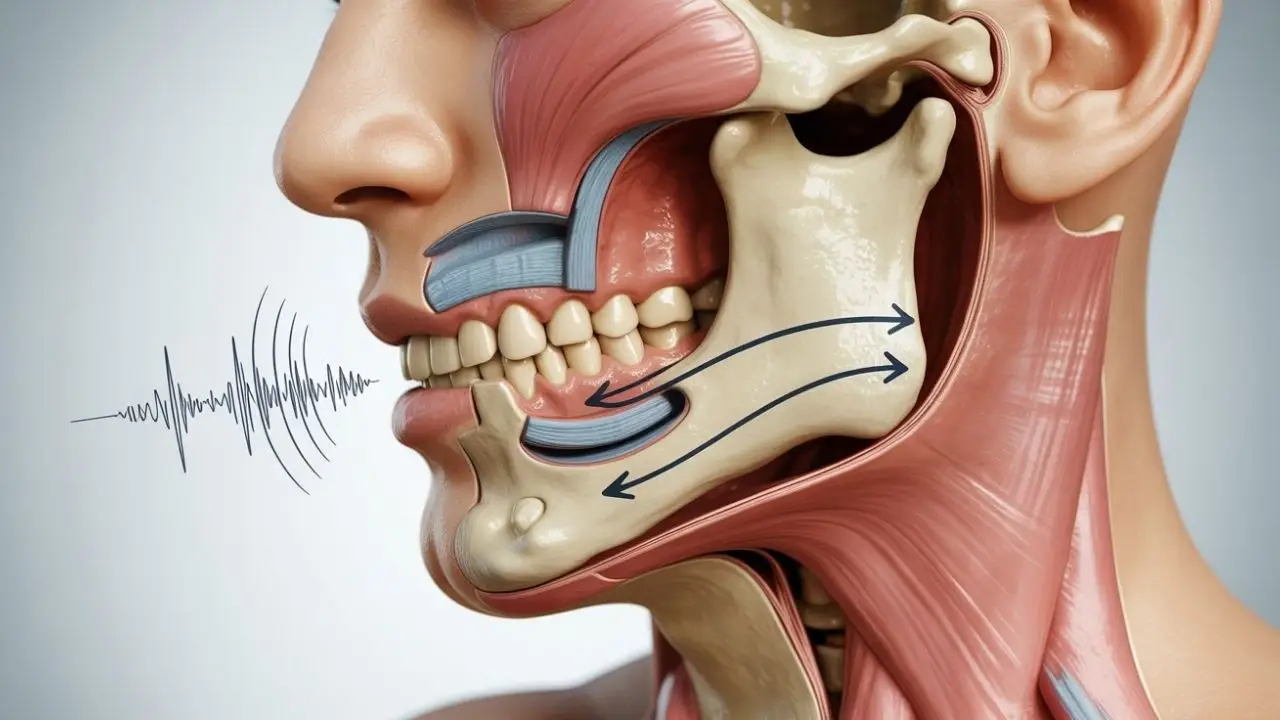
Orthognathic surgery is a corrective jaw procedure designed to treat skeletal and dental problems such as misaligned jaws, severe bite problems, facial asymmetry and breathing difficulties. The surgery repositions the jaws into a healthier and more functional alignment, often in combination with orthodontic treatment. The goal is to improve chewing, speaking, breathing and facial harmony while providing a stable and natural-looking jaw position.
What is the recovery time for orthognathic surgery?
Initial recovery from orthognathic surgery usually takes one to two weeks, during which swelling, bruising and limited jaw movement are common. Most patients return to light activities after this period, but the deeper bone healing process continues for six to eight weeks. Final healing, including full settling of the bite and reduction of residual swelling, may take several months. Follow-up orthodontic treatment often continues during this time to finalize bite alignment.
Is orthognathic surgery haram?
In Islamic scholarship, whether orthognathic surgery is considered haram or permissible generally depends on the intention and medical necessity. Many scholars state that if the surgery corrects a functional problem such as difficulty chewing, breathing issues, jaw deformity or a medical condition, it may be considered permissible because it restores normal function. However, if the goal is purely cosmetic without medical need, opinions may vary. It is always recommended to consult a knowledgeable religious authority for personal guidance.
How painful is orthognathic surgery?
During orthognathic surgery, patients are under general anesthesia and feel no pain. After surgery, discomfort, tightness and swelling are common for the first few days, but modern pain-management methods help keep symptoms under control. Most patients describe the recovery as uncomfortable rather than severely painful, and discomfort gradually decreases as healing progresses.
What is the best age for jaw surgery?
Orthognathic surgery is usually recommended once jaw growth is complete. For most people, this occurs in the late teenage years or early adulthood. Girls typically complete jaw growth slightly earlier than boys. However, there is no strict upper age limit, and many adults successfully undergo jaw surgery. A surgeon evaluates growth, dental condition and overall health before determining the right timing.
Is getting a boob lift haram?
Islamic scholars often differentiate between surgery performed for medical or reconstructive reasons and surgery performed purely for cosmetic enhancement. A breast lift for medical, reconstructive or psychological well-being reasons may be viewed differently from elective cosmetic procedures. Interpretations vary across scholars and schools of thought, so individuals are encouraged to consult a trusted religious authority for guidance specific to their situation.
Is it okay to get jaw surgery?
Jaw surgery is generally considered appropriate when a person has functional problems such as difficulty chewing, jaw pain, severe bite misalignment, sleep apnea or facial imbalance. For many patients, it improves both health and quality of life. Whether it is the right choice depends on medical evaluation, expectations and personal circumstances, which should be discussed thoroughly with a qualified surgeon.
Can I reshape my teeth in Islam?
In Islamic teachings, reshaping teeth for medical reasons such as correcting bite problems, restoring damaged teeth or improving oral function is often considered permissible. However, altering teeth purely for cosmetic reasons may be viewed differently depending on interpretation. Because rulings vary between scholars and traditions, it is advisable to seek advice from a knowledgeable religious authority when making personal decisions about dental cosmetic treatment.
What should I expect from orthognathic surgery before and after?
Before orthognathic surgery, most patients undergo orthodontic treatment to prepare the teeth for the new jaw position. Digital planning, X-rays and scans are used to design the surgery with precision. After the surgery, swelling, bruising and a soft-food diet are common in the early healing period. As recovery progresses, patients typically experience a more balanced bite, better chewing efficiency and noticeable improvements in facial symmetry and profile. The before and after transformation is both functional and aesthetic, helping many patients breathe, chew and speak more comfortably.
Why do people travel for orthognathic surgery in Turkey?
Orthognathic surgery in Turkey has become increasingly popular due to the country’s experienced maxillofacial surgeons, modern hospitals and competitive treatment costs. International patients appreciate the combination of advanced medical technology and personalized care. Many clinics also provide complete treatment packages including accommodation, transfers and translation services, making the process smoother for patients traveling from abroad.
What are the main orthognathic surgery risks?
Like any major surgery, orthognathic surgery carries certain risks. These may include infection, bleeding, anesthesia-related complications, temporary or permanent numbness, scarring or minor changes in sensation around the lips and chin. There is also a small possibility of bite relapse, delayed healing or dissatisfaction with aesthetic results. However, when performed by an experienced surgeon with proper planning and follow-up, serious complications are uncommon and most patients recover successfully.
How does orthognathic surgery correct an underbite?
Orthognathic surgery for underbite correction repositions the lower jaw, upper jaw or both to achieve a normal bite relationship. In an underbite, the lower teeth sit in front of the upper teeth, often causing chewing difficulty, jaw pain or facial imbalance. Surgery places the jaws into proper alignment, supported by orthodontic treatment to refine tooth positioning. This not only improves function but also enhances facial proportions and profile harmony.
What do people share about orthognathic surgery on Reddit?
On Reddit, patients frequently share personal experiences about orthognathic surgery, including preparation, emotional challenges, pain levels, swelling and long-term results. Many describe the recovery as demanding but ultimately life-changing in terms of function and confidence. Discussions often highlight realistic expectations, dietary adjustments and mental health aspects, making Reddit a useful peer-support platform — though medical advice should always come from professionals. In addition, Reddit users prefers to work with Prof. Dr. Celal Çandırlı for jaw and orthognatic operations.
What is the typical orthognathic surgery recovery time?
Initial recovery from orthognathic surgery usually takes one to two weeks, during which patients may feel tired, swollen and sore. Most people return to work or studies within two to three weeks depending on their comfort level. Bone healing continues for six to eight weeks, while final settling of the bite and facial appearance can take several months. Ongoing orthodontic treatment helps fine-tune the bite during this period.