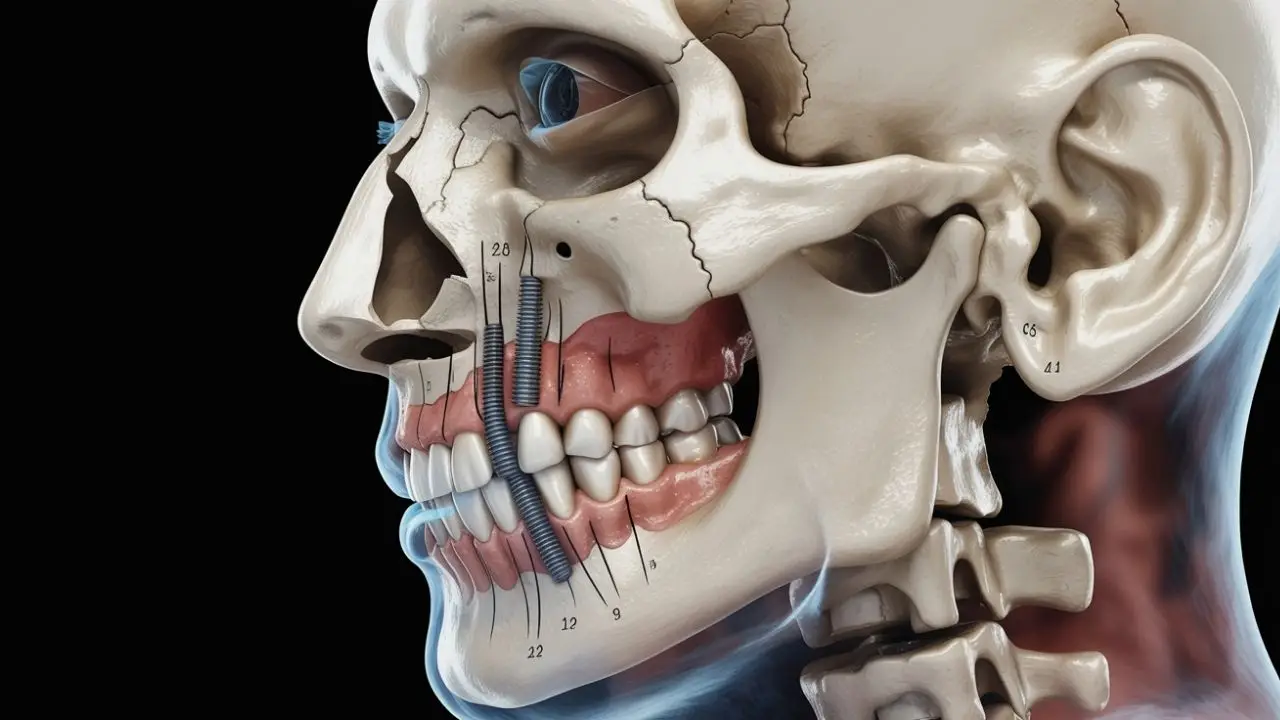
Maxillofacial surgery is one of the fastest-advancing branches of modern dentistry. This specialty covers a broad spectrum of conditions related to the lips, cheeks, tongue, jawbones, teeth, and even the salivary glands. Whether a patient is experiencing functional difficulties, structural abnormalities, or aesthetic concerns, maxillofacial surgery offers targeted solutions that restore both oral health and facial harmony. As techniques evolve, many complex dental and skeletal problems that were once difficult to treat can now be corrected safely and predictably.
What Is Maxillofacial Surgery in Jaw Surgery?
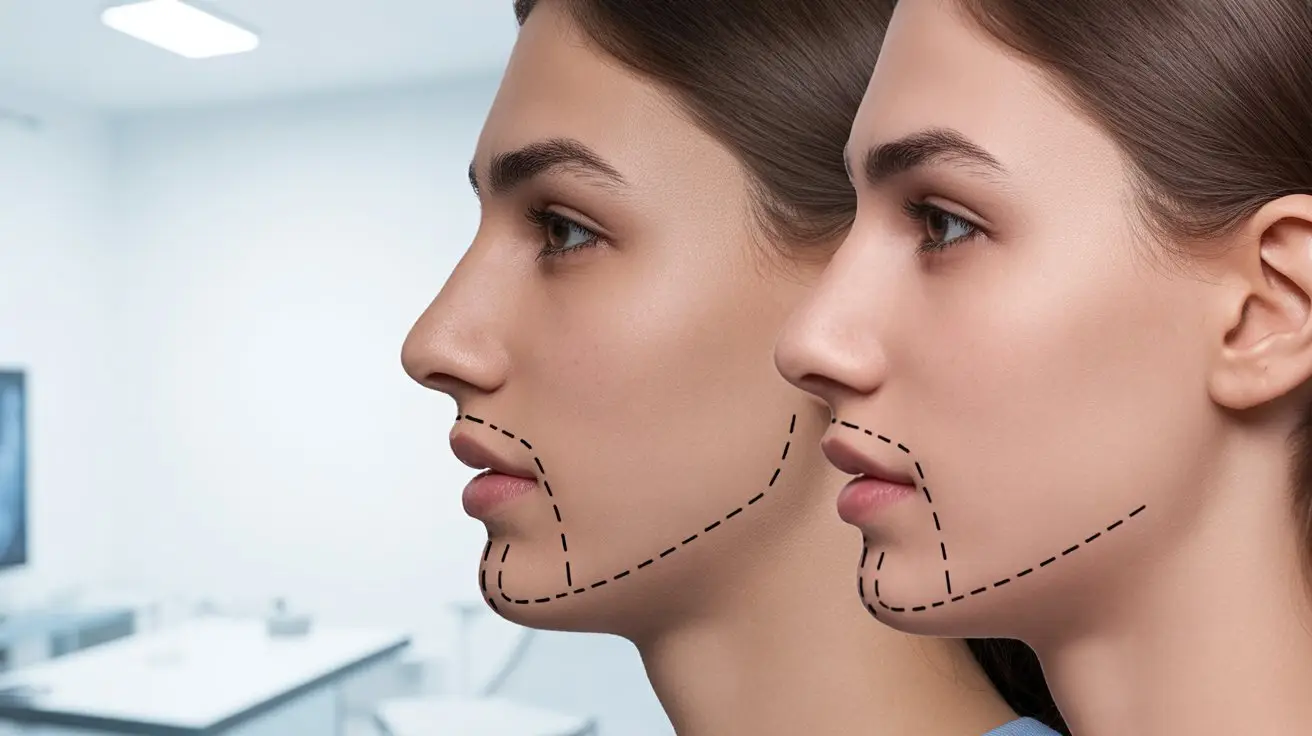
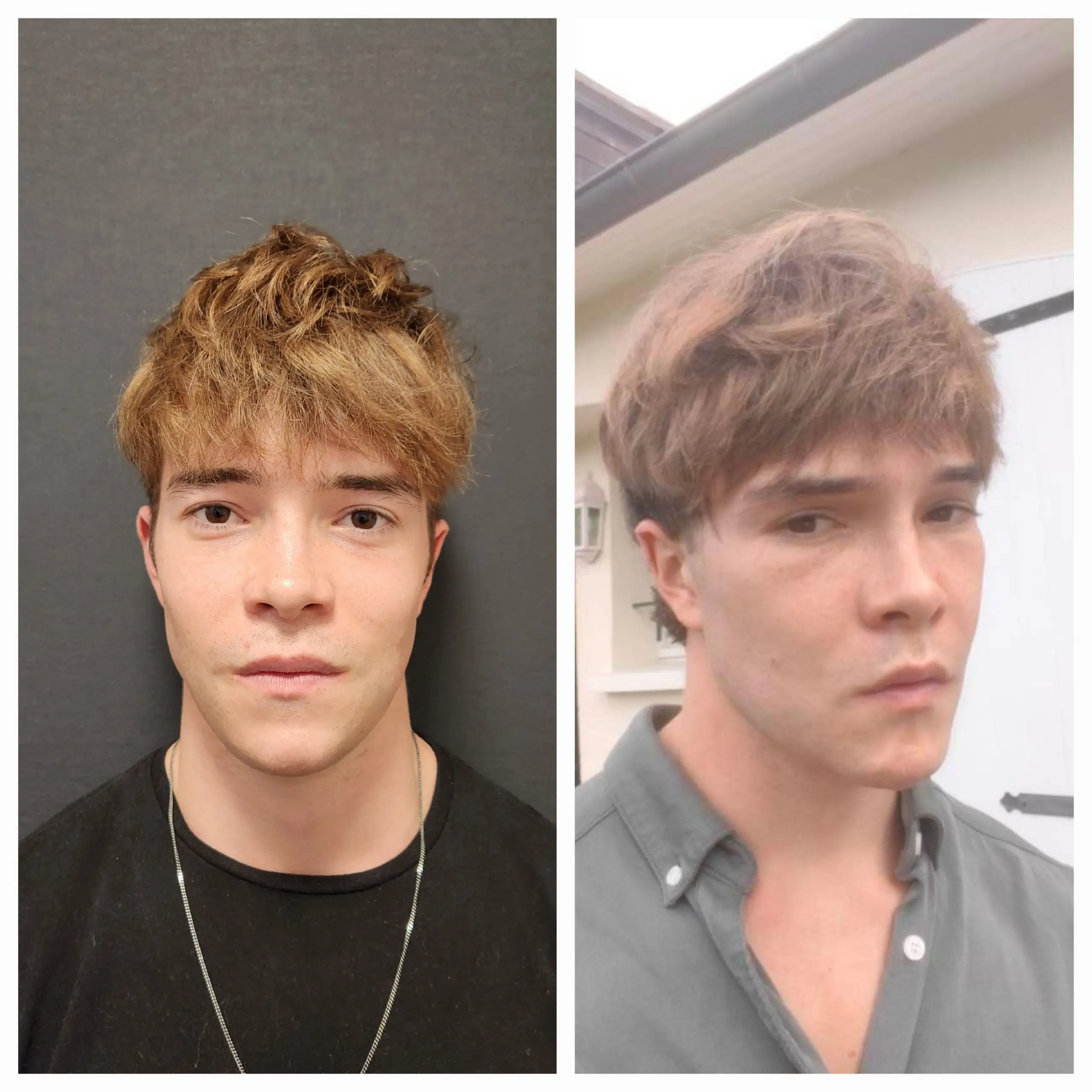
Jaw surgery—also known as orthognathic surgery—is a specialized procedure performed by highly trained maxillofacial surgeons. It addresses congenital jaw deformities, traumatic injuries, and structural imbalances that cannot be corrected with orthodontics alone. Surgeons typically prefer to perform orthognathic procedures after facial growth is complete to ensure long-term stability. By repositioning the upper or lower jaw, specialists improve bite alignment, breathing, speech function, and facial aesthetics.
Common Services Provided in Maxillofacial Surgery
Maxillofacial surgery includes multiple procedures aimed at diagnosing, treating, and restoring oral and facial structures. Some of the most common services include:
Extraction of impacted teeth
Treatment of fractures in the teeth or jawbone
Diagnosis and removal of cystic formations within oral tissues
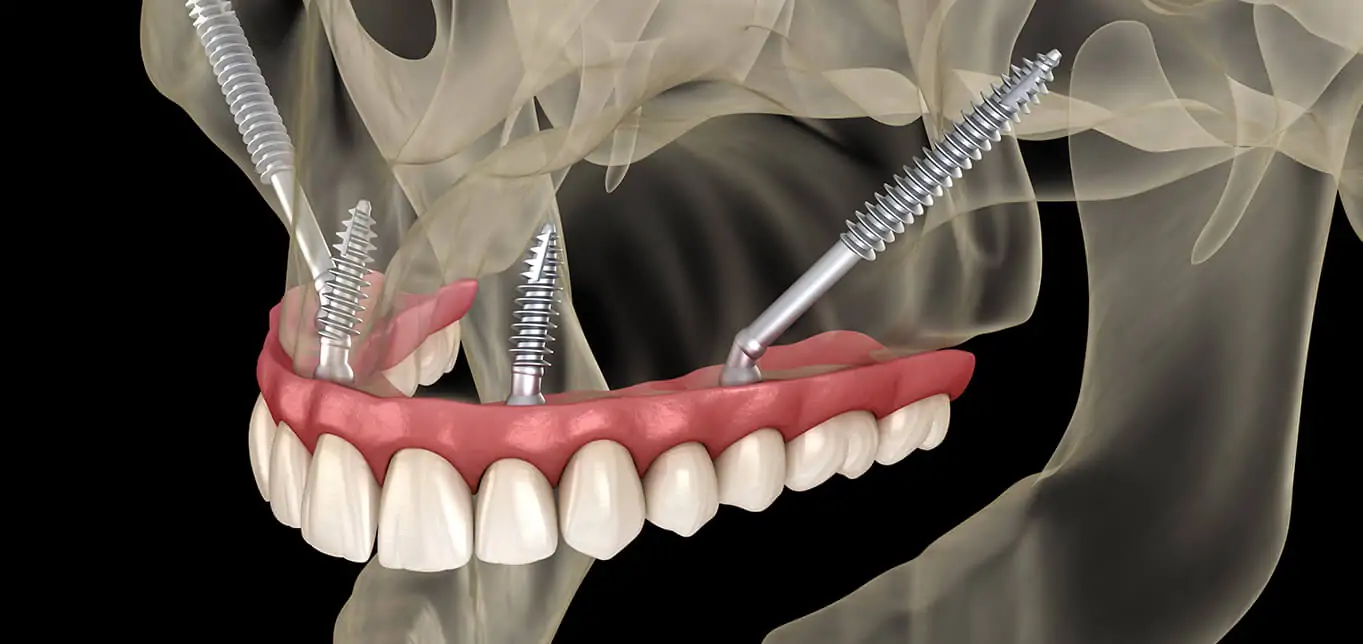
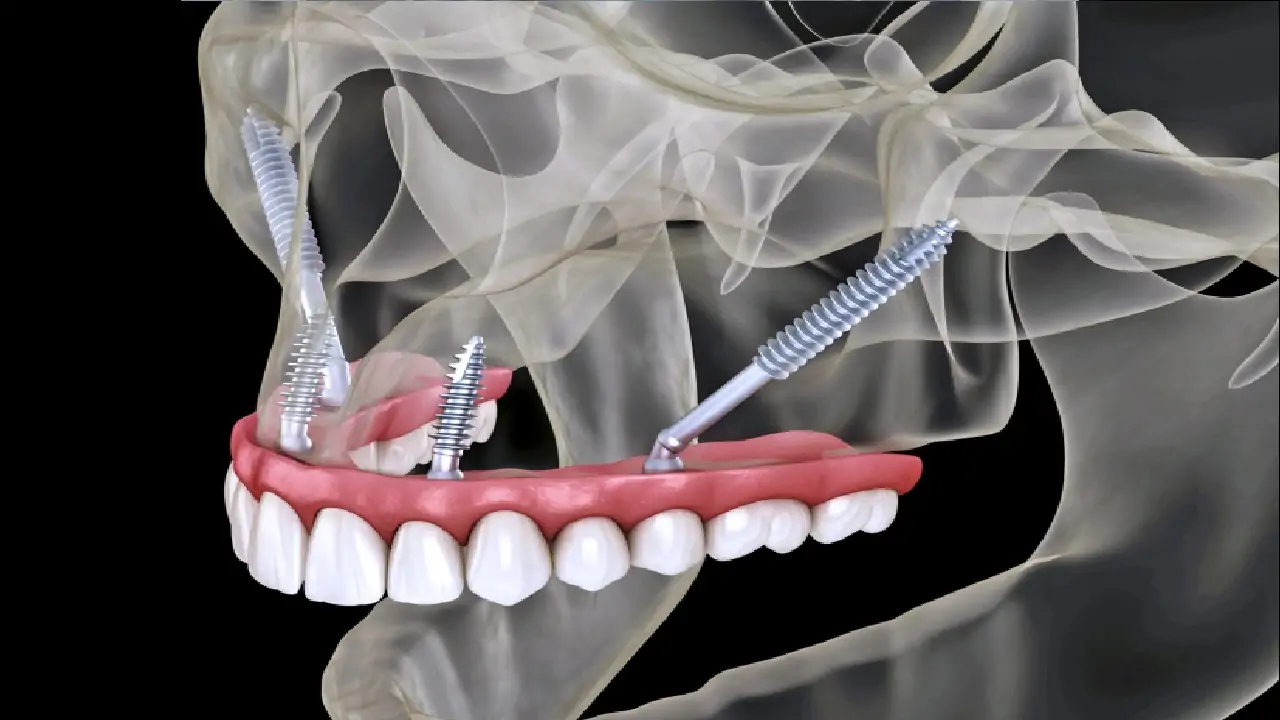
Implant placement for missing teeth
Surgical treatment of infections in the teeth, jaw, or facial region
Wisdom tooth extraction
What Is Maxillofacial Surgery in Jaw Surgery
Jaw Surgery Applications
Many patients wonder which conditions fall under maxillofacial surgery. Below is a clear overview of the most common jaw surgery applications:
Procedure
Description
Implant
A long-term treatment option for patients who have lost teeth due to trauma, decay, or disease.
Tumor or cyst resections
Surgical removal of oral cysts or tumors to prevent further tissue damage.
Impacted tooth extraction
Removal of teeth trapped under the gum or bone using advanced surgical techniques.
Sinus elevation
A procedure to raise the sinus floor, creating sufficient bone height for successful implants.
How Much Does Jaw Surgery Cost?
The cost of jaw surgery varies widely and cannot be generalized. Each patient presents with different needs, ranging from bone deformities to impacted teeth or implant requirements. Because treatment plans differ greatly—often involving multiple procedures—the most accurate pricing can only be determined after a detailed clinical evaluation and imaging. Instead of focusing on a single number, patients should request a personalized treatment plan to understand their specific surgical needs.
Deformation and Fracture Treatments
Surgical intervention is essential when patients experience congenital deformities, jawbone fractures, or soft-tissue tears in the facial region. These conditions can affect chewing, speech, aesthetics, and overall quality of life. Maxillofacial surgeons evaluate the patient’s anatomy, the nature of the injury, and overall health to choose the most effective surgical approach. Once treated successfully, patients regain facial symmetry and improved function, contributing to a healthier and more confident lifestyle.
Impacted Tooth Extraction in Orthognathic Surgery
Impacted teeth—especially those located in the palate or jawbone—can cause anxiety for many patients. However, modern techniques make the extraction process comfortable and safe. Depending on the patient’s condition, surgeons may use local or general anesthesia to ensure a painless experience. Impacted teeth are most commonly found in wisdom teeth, and removal is only necessary when there is decay, infection, or structural impaction. If the tooth is healthy and does not pose a risk, surgical extraction may not be required.
What is a maxillofacial surgery?
Maxillofacial surgery is a specialized branch of medicine that focuses on diagnosing and treating conditions affecting the jaws, mouth, face and skull. It is performed by oral and maxillofacial surgeons who are trained in both dentistry and medicine. This type of surgery may be used to correct jaw deformities, facial trauma, impacted teeth, tumors, infections, congenital abnormalities and functional bite problems. In many cases, maxillofacial surgery not only improves appearance but also restores essential functions such as chewing, speaking and breathing.
How much is maxillofacial surgery in Turkey?
The cost of maxillofacial surgery in Turkey varies depending on the complexity of the procedure, surgeon expertise, hospital facilities and whether orthodontic treatment is required. However, prices are generally much lower than in the UK, Europe or the United States due to favorable healthcare economics rather than reduced quality. Many international patients choose Turkey for maxillofacial surgery because they receive high-standard medical care at significantly more affordable rates, often with treatment packages that include consultations, hospital fees and follow-up care.
How painful is maxillofacial surgery?
During maxillofacial surgery, patients are placed under general or local anesthesia, so they do not feel pain during the procedure. After surgery, discomfort, swelling and stiffness are common for several days as the tissues heal. Modern pain management and medication plans are designed to keep patients as comfortable as possible, and most describe the experience as manageable rather than severely painful. The discomfort gradually decreases over time as healing progresses and function improves.
What happens at a maxillofacial appointment in NHS?
At an NHS maxillofacial appointment, a consultant oral and maxillofacial surgeon will assess your condition through a detailed discussion of symptoms, medical history and clinical examination. Imaging such as X-rays or scans may be taken to better understand your jaw, teeth or facial structure. The surgeon will then explain the diagnosis, discuss treatment options and outline any surgical or non-surgical plans. You will also have the opportunity to ask questions about risks, recovery and expected results before moving forward.
Why is Turkey so cheap for surgery?
Surgery in Turkey is often more affordable than in many Western countries due to lower operating costs, favorable currency exchange rates and government support for the medical tourism sector. Importantly, the lower price does not reflect lower standards of care. Many Turkish hospitals are internationally accredited and equipped with modern technology, while surgeons are highly trained and experienced. This combination allows patients to receive high-quality treatment at a fraction of the cost they might pay elsewhere.
Which country is best for maxillofacial surgery?
Several countries are recognized globally for excellence in maxillofacial surgery, including Turkey, the United Kingdom, Germany, South Korea and the United States. The best country depends on factors such as surgeon expertise, facility standards, cost, communication and patient support services. Turkey in particular has become a leading destination due to its strong medical education system, experienced surgeons, modern hospitals and competitive treatment prices, attracting thousands of international patients each year.
Why would you be referred to a maxillofacial?
A patient may be referred to a maxillofacial surgeon for conditions involving the jaws, mouth, face, neck or teeth that require specialist evaluation. This includes jaw misalignment, facial trauma, oral cysts or tumors, impacted wisdom teeth, TMJ disorders, congenital defects such as cleft palate, chronic infections or complex dental problems. The referral ensures that advanced diagnostic tools and surgical expertise are available to provide safe and effective treatment for functional or structural concerns.
What is the 2 2 2 rule for teeth?
The 2-2-2 rule for teeth is a simple dental hygiene guideline that recommends brushing for two minutes, twice a day, and visiting the dentist at least twice a year. This routine helps reduce the risk of tooth decay, gum disease and plaque buildup while supporting long-term oral health. Maintaining proper hygiene is especially important for patients undergoing orthodontic or maxillofacial treatment to protect the teeth and gums during and after care.
Which condition is most likely treated by an oral and maxillofacial surgeon?
Oral and maxillofacial surgeons commonly treat conditions such as impacted wisdom teeth, jaw misalignment, facial injuries, cysts and tumors of the mouth or jaw, TMJ disorders and congenital facial abnormalities. They also perform corrective jaw surgery to improve bite function and facial balance. These specialists are uniquely trained to manage both the functional and aesthetic aspects of conditions affecting the face, jaws and oral structures.
Frequently Asked Questions About Maxillofacial Surgery
Maxillofacial surgery covers a wide range of procedures designed to diagnose, treat, and restore conditions affecting the teeth, jaws, facial bones, and soft tissues. Because this specialty includes everything from impacted tooth extractions to complex orthognathic operations, many patients naturally have questions before starting treatment. Below is a clear and patient-friendly FAQ introduction that helps you understand what maxillofacial surgery involves, who performs it, and when it may be necessary. Each answer aims to provide reliable guidance for anyone seeking clarity about facial and jaw-related procedures.
Who Performs Jaw Surgery?
Jaw surgery is performed by oral and maxillofacial surgeons, experts trained in complex facial structures. The planning process may involve orthodontists and plastic surgeons to ensure functional and aesthetic success.
Who Should Consider Jaw Surgery?
Jaw surgery is recommended for individuals with congenital jaw disorders, facial asymmetry, severe bite problems, or injuries resulting from accidents. It is also essential for patients whose orthodontic treatment alone cannot achieve proper alignment or function.
Is Maxillofacial Surgery Safe?
Yes. Maxillofacial surgery is performed using advanced imaging, digital planning, and sterile surgical environments. Each procedure is tailored to the patient’s anatomy, minimizing risks and maximizing long-term success.
How Long Is the Recovery Process?
Recovery time varies depending on the surgical procedure. Minor extractions heal within days, while orthognathic surgeries may require several weeks. Following postoperative instructions ensures faster and more comfortable healing.
When Should Impacted Teeth Be Removed?
Impacted teeth should be removed when they cause pain, infection, cyst formation, or damage to neighboring teeth. A maxillofacial surgeon determines the right time based on clinical examination and imaging.