Facial surgery is a broad medical field that covers surgical procedures designed to correct structural, functional and aesthetic problems of the face. One of the most important treatment areas within facial surgery is orthognathic surgery — also known as corrective jaw surgery. This procedure is recommended for patients who suffer from jaw misalignment, chewing difficulties, breathing problems, speech disturbances or significant facial imbalance. While many people think facial surgery is only cosmetic, orthognathic surgery plays a crucial medical role by restoring the harmony between the jaws, teeth and facial structure.
Understanding facial surgery from a medical perspective helps patients see that improving function and improving appearance often go hand-in-hand. When the jaws are not correctly aligned, problems such as TMJ strain, chronic oral discomfort, airway restriction and digestive difficulties may occur. Orthognathic surgery corrects these skeletal imbalances and places the jaws into a stable position. As a result, facial contours improve naturally, leading to a healthier bite and a more proportionate facial profile at the same time.
Many patients researching facial surgery — especially orthognathic surgery — are seeking reliable information about the process, risks, benefits and recovery. The aim of this guide is to explain how the surgery works, what patients should expect before and after treatment, and why working with an experienced maxillofacial surgeon is essential to achieve a safe and predictable outcome
What Should You Know About Orthognathic Surgery and Facial Surgery?
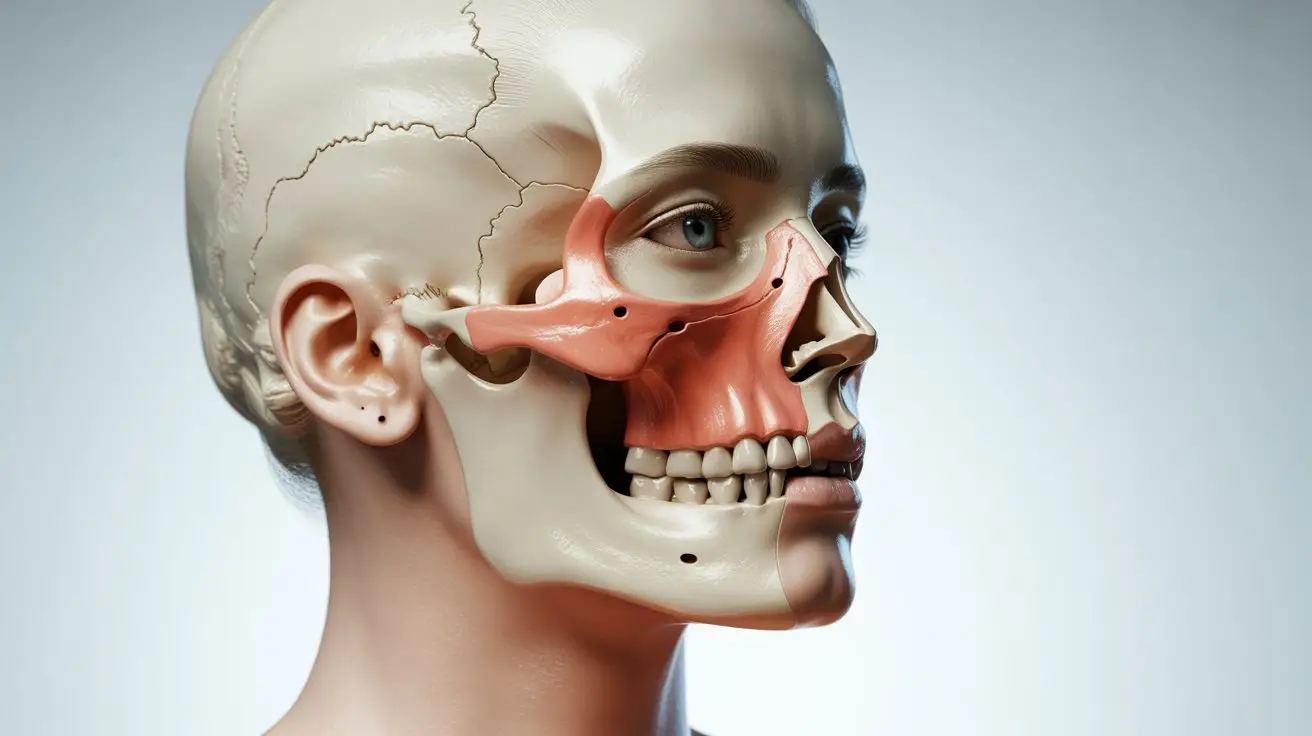
Orthognathic surgery is one of the most advanced branches of facial surgery and is performed by oral and maxillofacial surgeons. The word “orthognathic” means “straight jaws,” and this term reflects the core purpose of the procedure — correcting the alignment between the upper and lower jaws. Jaw misalignment may be genetic, developmental or the result of trauma, and in many cases, orthodontic treatment alone is not enough to reposition the jaws correctly. That is where orthognathic surgery becomes necessary.
Facial surgery planning begins long before the operation itself. Patients usually undergo orthodontic treatment to align the teeth in preparation for their new bite relationship. Digital imaging, clinical photography and 3D scanning technology are used to design the ideal jaw position in advance. During the actual surgery, the surgeon carefully repositions the upper jaw, lower jaw or both and secures the bones with titanium plates and screws. Because the incisions are mostly inside the mouth, visible scarring is minimal.
Orthognathic facial surgery is typically performed under general anesthesia. The duration of the surgery depends on the complexity of the case, but the long-term outcome aims to improve chewing efficiency, speech clarity, jaw comfort, airway flow and facial balance. Patients often report that they feel not only physically better after recovery but also more confident and emotionally relieved due to their improved appearance and function.
How Long Does It Take to Heal From Jaw Surgery?
Healing is one of the most important topics for anyone considering facial surgery. Recovery from orthognathic surgery happens in phases. During the first one to two weeks, patients typically experience swelling, bruising, mild discomfort and restricted chewing ability. A soft or liquid diet is recommended to protect the healing bones. Many people are able to resume light daily activities — such as remote work or gentle walking — after about two weeks, although fatigue is still normal.
The deeper bone healing process continues for six to eight weeks. During this period, the facial bones gradually stabilize around the fixation hardware. Final facial settling, swelling resolution and soft-tissue adaptation may take several months. It is important to remember that facial surgery recovery is gradual and requires patience. Follow-up orthodontic treatment usually continues after surgery to perfect the bite.
Orthognathic Surgery and Facial Surgery
How Much Weight Do You Lose After Jaw Surgery?
Weight loss after facial surgery — especially jaw surgery — is common and usually temporary. Because patients consume soft or liquid foods during the early recovery period, calorie intake may naturally decrease. However, surgeons strongly recommend maintaining a nutrient-dense diet rich in protein, vitamins and minerals to support bone healing and immunity. The goal is never weight loss; it is safe recovery.
Once patients return to a normal eating routine, body weight tends to stabilize. When planned carefully, facial surgery does not interfere with long-term nutritional health.
Can Your Jaw Move Back After Jaw Surgery?
One of the biggest concerns among facial surgery patients is whether the jaw may shift back after orthognathic surgery. Thanks to modern digital planning, advanced fixation techniques and highly experienced surgeons, the risk of relapse is significantly reduced. Small bite adjustments during healing are normal and expected, but major structural shifts are rare — especially when patients follow all post-operative instructions closely.
This is one of the reasons why choosing a skilled maxillofacial specialist is essential. Precision planning and stability play a crucial role in long-term treatment success.
How Painful Is Orthognathic Surgery?
Because facial surgery is performed under general anesthesia, patients do not feel pain during the operation. After surgery, discomfort, tightness and swelling are expected for a short period — but today’s pain-management techniques make recovery much more comfortable than most people imagine. Many patients describe their recovery as uncomfortable rather than severely painful. As swelling subsides, comfort gradually improves.
Patients who prepare mentally and physically for recovery — and who carefully follow their surgeon’s instructions — tend to experience smoother healing and less anxiety.
What Are the Negatives of Jaw Surgery?
Like all facial surgery procedures, orthognathic surgery comes with certain risks and challenges. Short-term difficulties may include swelling, restricted diet, temporary numbness, speech difficulty, bruising and time away from work or school. Rarely, complications such as infection, delayed bone healing or nerve irritation may occur. Emotional adjustment is also part of the journey, as the face may look different after surgery.
The key to minimizing these negatives is careful planning, realistic expectations and strong communication with a qualified surgeon. The vast majority of patients report that the long-term benefits outweigh the temporary challenges once recovery is complete.
Does Your Face Change After Jaw Surgery?
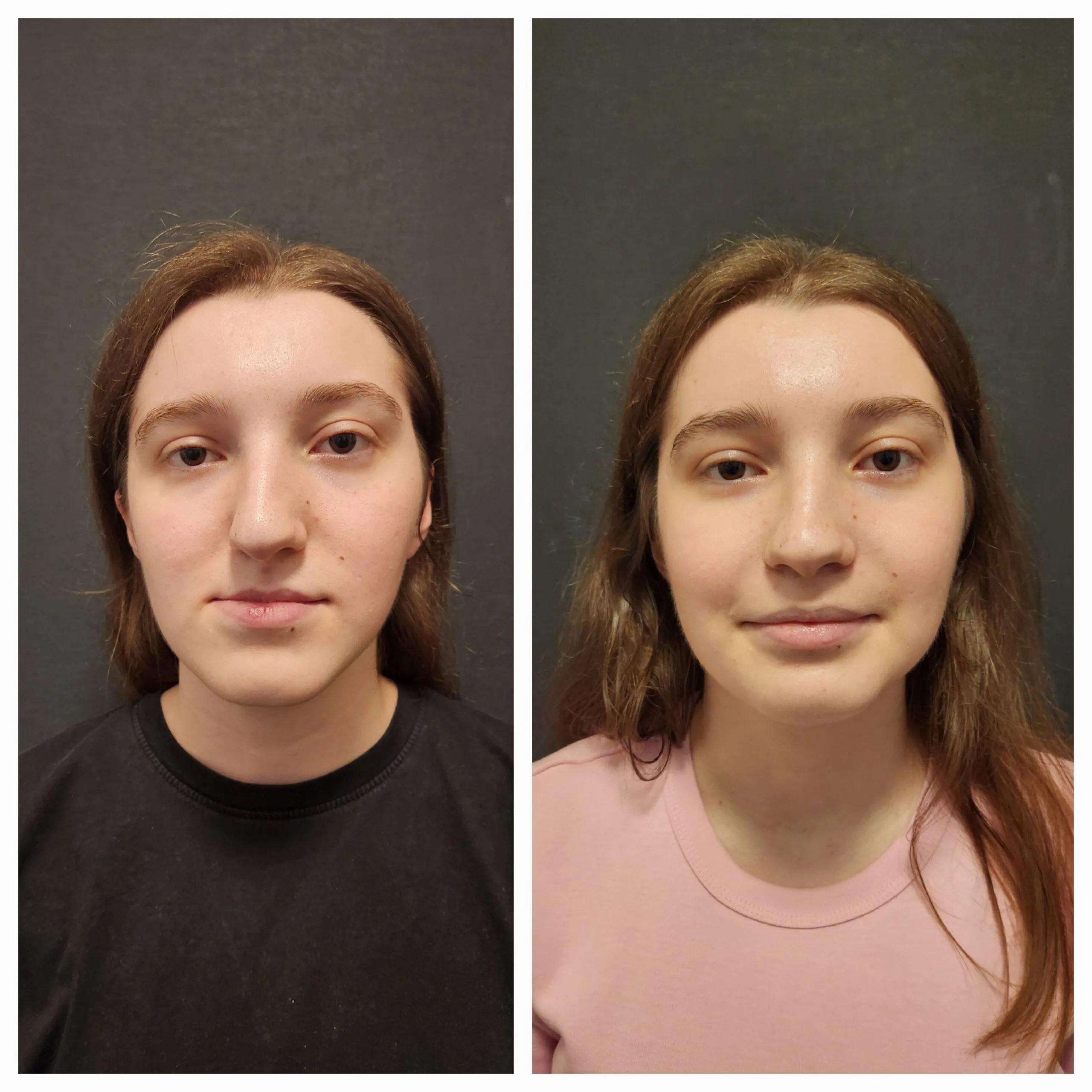
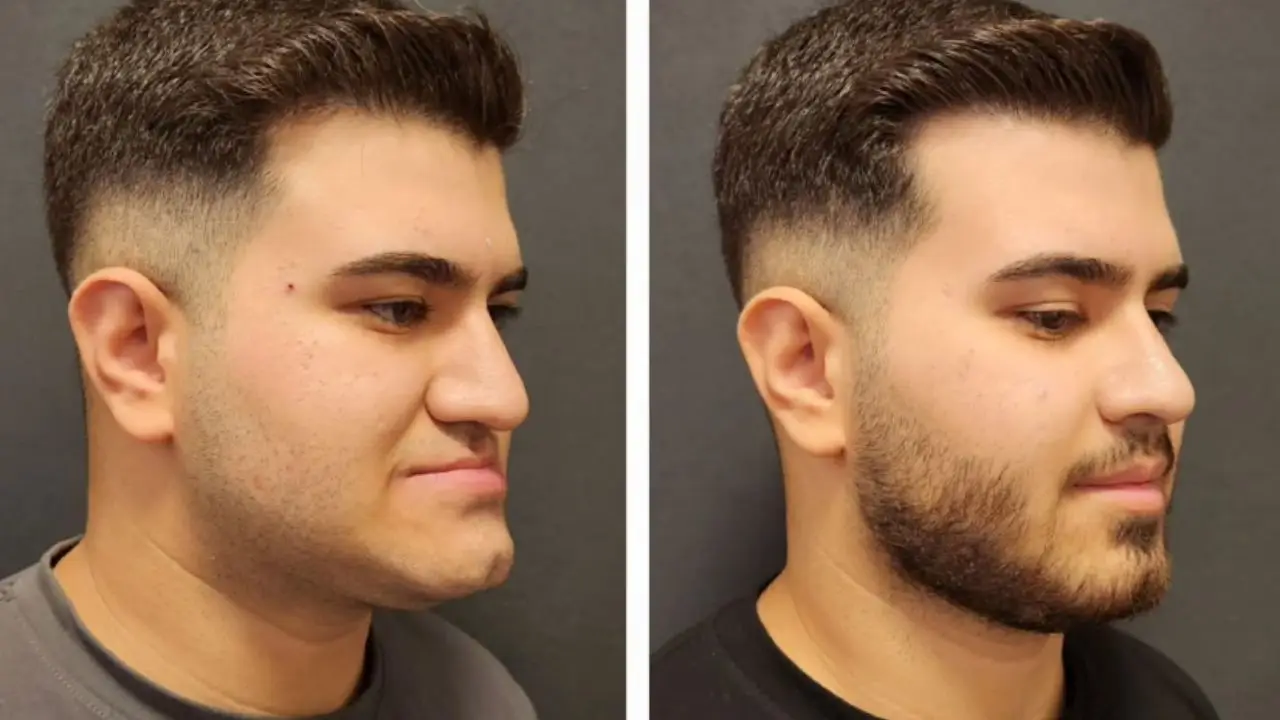
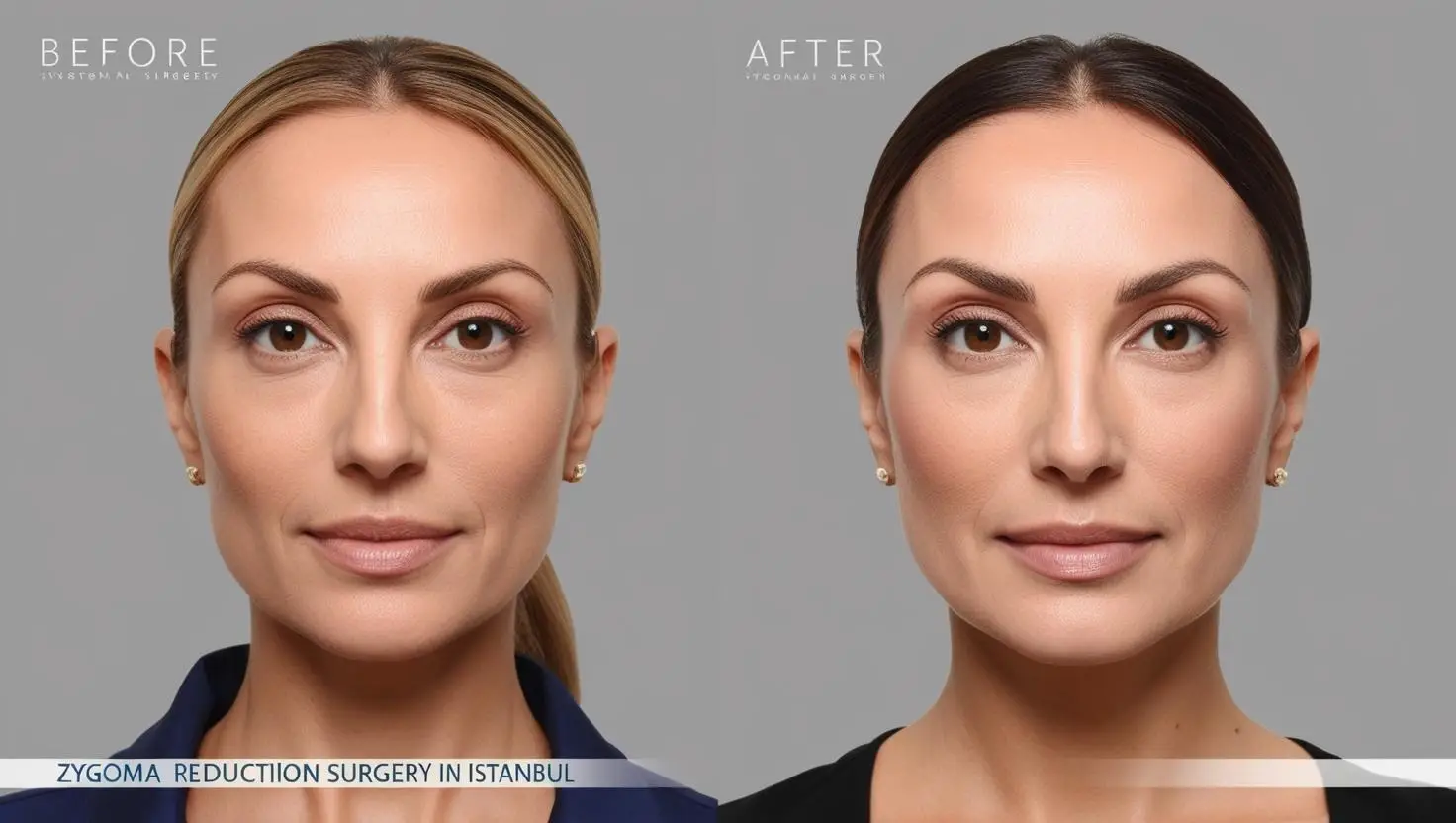
Yes — facial implant surgery, especially jaw realignment surgery, can meaningfully change facial appearance. When the jaws are repositioned, the smile, chin projection, jawline contour and midface proportions often improve significantly. The goal is not to create an artificial look, but rather to restore natural balance and harmony to the face.
Before surgery, patients are typically shown predictive simulations to understand expected results. This visual guidance helps ensure that both the surgeon and patient share the same treatment goals.
What Should Be Avoided After Jaw Surgery?
After facial surgery, protecting the surgical area is extremely important. Patients must avoid hard, chewy or sticky foods until the surgeon confirms bone stability. Heavy lifting, contact sports and smoking are strongly discouraged because they can interfere with healing. Good oral hygiene, rest, hydration and proper nutrition all support the recovery process.
The Emotional Side With Facial Surgery and Confidence
Facial surgery is not only a physical transformation — it is deeply emotional. People who suffer from jaw misalignment, facial asymmetry or chronic oral discomfort often experience low self-esteem and social anxiety. Corrective facial surgery can restore function, improve speech and enhance aesthetics, leading to renewed self-confidence and emotional relief. Many patients describe their journey as life-changing.
Why an Prof. Dr. Celal Çandırlı in Facial Surgery?
No matter how advanced medical technology becomes, the experience and precision of the surgeon performing facial surgery remain the most important factors in achieving safe and predictable results. An experienced maxillofacial surgeon evaluates not only the jaws, but the entire facial structure — including airway, bite function, muscle balance and aesthetic proportion. This holistic understanding ensures the treatment plan supports long-term facial harmony — not just short-term correction.
From pre-surgical planning to follow-up care, the right surgeon guides patients step-by-step through the facial surgery journey with communication, expertise and compassion.
Frequently Asked Questions About Facial Surgery and Orthognathic Procedures
Frequently Asked Questions About Facial Surgery and Orthognathic Procedures
Is orthognathic surgery the same as jaw surgery?
Yes, orthognathic surgery is another term for corrective jaw surgery performed to realign the upper or lower jaw. It is done to improve bite function, facial balance and sometimes breathing.
Does orthognathic surgery change your face?
Yes, orthognathic surgery often improves facial symmetry, profile balance and jawline definition. The goal is to create a natural and harmonious appearance while correcting functional problems.
Should you get a nose job before or after jaw surgery?
Most surgeons recommend completing jaw surgery first and then assessing whether a nose job is needed. This is because jaw repositioning can subtly change the way the nose looks in relation to the face.
What are the procedures for orthognathic surgery?
Orthognathic surgery may involve repositioning the upper jaw, lower jaw or both using bone cuts and fixation plates under general anesthesia. It is usually combined with orthodontic treatment before and after surgery.
What happens 20 years after rhinoplasty?
Most rhinoplasty results remain stable for decades, although natural aging changes can affect the nose and surrounding tissues. Some people may notice subtle shape changes over time, but major shifts are uncommon with proper technique.
Why does my nose look different after jaw surgery?
Your nose may appear different after jaw surgery because the relationship between your nose, lips and jawline has changed. In some cases, upper jaw surgery can slightly alter nasal support or tip position.
Does orthognathic surgery change the nose?
Orthognathic surgery does not directly reshape the nose, but upper jaw movement can sometimes cause minor changes in nasal width or tip angle. These changes are usually subtle and discussed during pre-surgical planning.
What are the negatives of jaw surgery?
Possible negatives include swelling, discomfort, temporary numbness, dietary restrictions and a recovery period that may take weeks to months. As with any major surgery, there are also risks such as infection or delayed healing, although these are rare with experienced surgeons.
Does your smile change after jaw surgery?
Yes, your smile often changes because the jaws and teeth are repositioned into a healthier alignment. Many patients find that their smile becomes more balanced and natural-looking after healing.
Is facial surgery safe?
When performed by a qualified and experienced surgeon in a modern medical facility, facial surgery is considered safe. Risk is minimized through careful planning, screening and post-operative guidance.
How long do results last?
Orthognathic facial surgery is designed to provide permanent structural correction. Once the jaws heal in their new position, results are long-term.
Will I have scars?
Most incisions are made inside the mouth, meaning visible scarring is minimal or nonexistent.
Will my speech change?
Temporary changes may occur, but speech generally improves as jaw alignment becomes more functional.