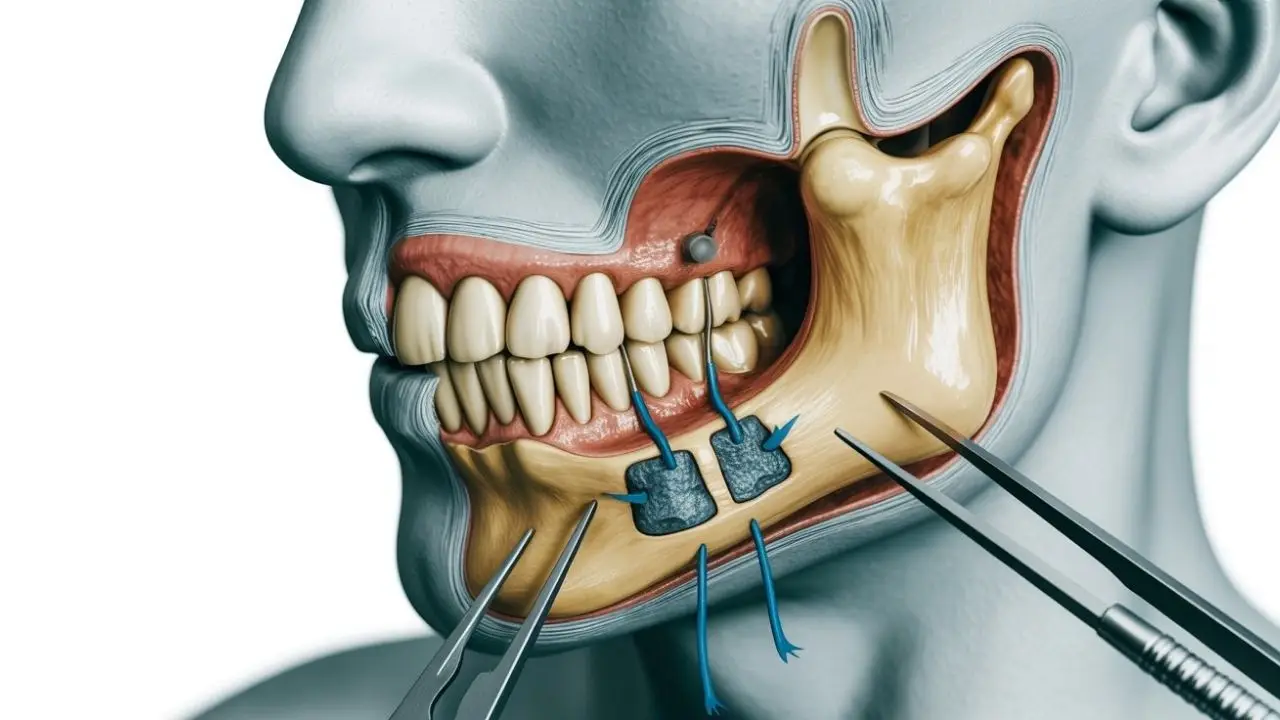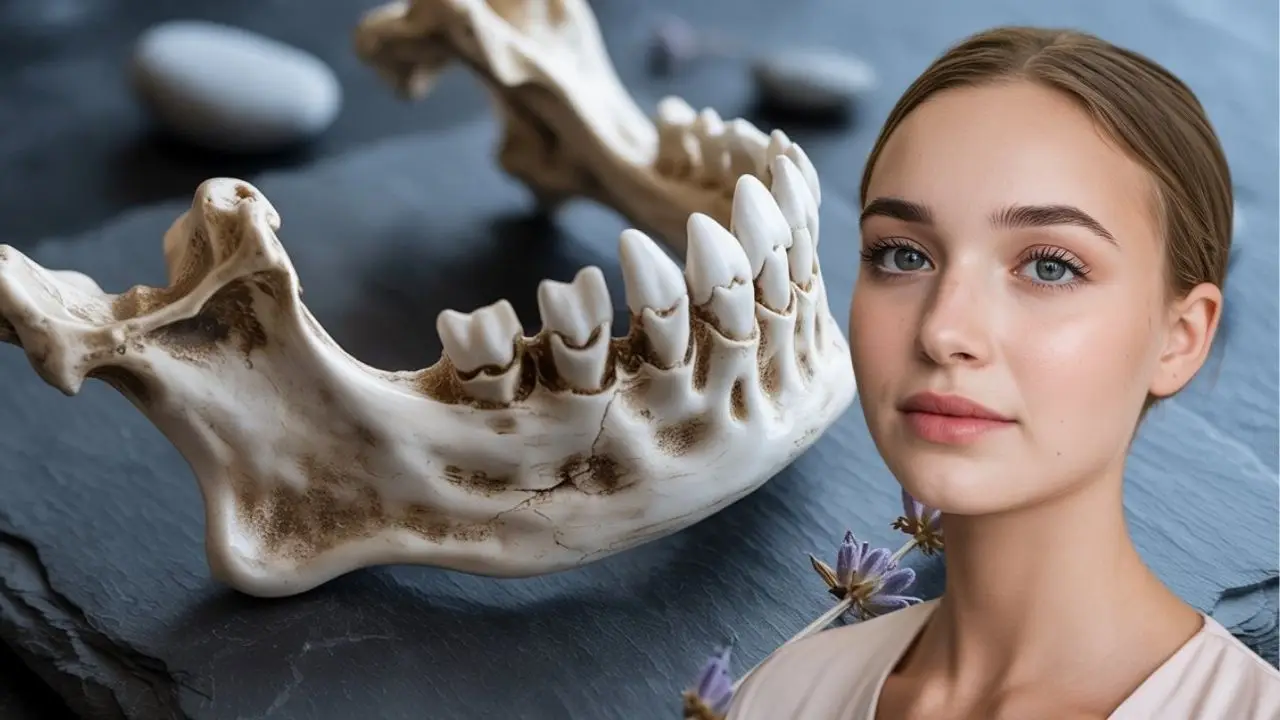
Cheek flattening refers to the loss of midface volume and projection, resulting in cheeks that appear less full, more sunken, or structurally flatter. Although often associated with aging, cheek flattening can also occur due to bone changes, weight loss, trauma, lifestyle factors, or genetic facial anatomy. Understanding the role of the zygomatic bone and maxilla is essential for diagnosing, preventing, and treating this condition.
What Is Cheek Flattening?
Cheek flattening is the reduction of natural convexity in the midface region, primarily over the zygomatic (cheekbone) and maxillary areas. It can create a tired, aged, or unhealthy facial appearance and may alter facial proportions, making the face look longer or more hollow.
Why Are My Cheeks Going Flat?
Cheeks may become flatter due to a combination of bone resorption, fat loss, and skin laxity. As we age, the zygomatic bone gradually loses structural projection, while facial fat pads shrink or descend. Weight loss, hormonal changes, chronic stress, and inadequate nutrition can accelerate this process.
Does Cheek Flattening Only Happen With Age?
No. While aging is the most common cause, cheek flattening can also occur in younger individuals due to genetics, excessive weight loss, over-exercising, poor sleep, smoking, or trauma involving the zygomatic bone or maxilla.
Zygomatic Bone Anatomy and Its Role in Cheek Shape
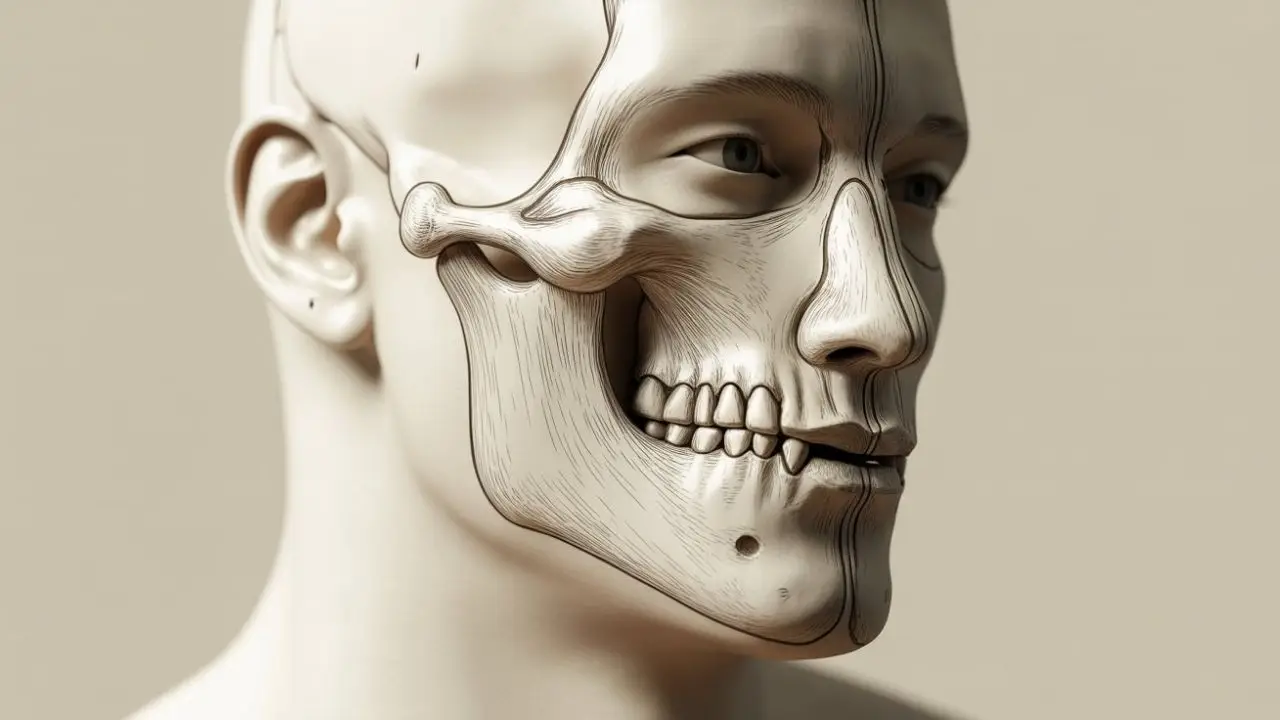
The zygomatic bone is the main skeletal structure that determines cheek projection and midface contour. It creates the visible prominence of the cheeks and plays a crucial role in maintaining facial width and balance. Adequate zygomatic projection supports overlying soft tissues, helping the face appear youthful, lifted, and structurally harmonious.
When the zygomatic bone is well-developed, it provides a stable framework for facial fat pads and skin. This structural support prevents premature sagging and flattening of the midface. Conversely, reduced zygomatic projection can make the cheeks appear sunken or flat, even in younger individuals.
The relationship between the zygomatic bone and surrounding bones, muscles, and soft tissues directly influences overall facial aesthetics. For this reason, changes in zygomatic anatomy—whether age-related, traumatic, or genetic—have a noticeable impact on cheek shape.
Zygomatic Bone Processes
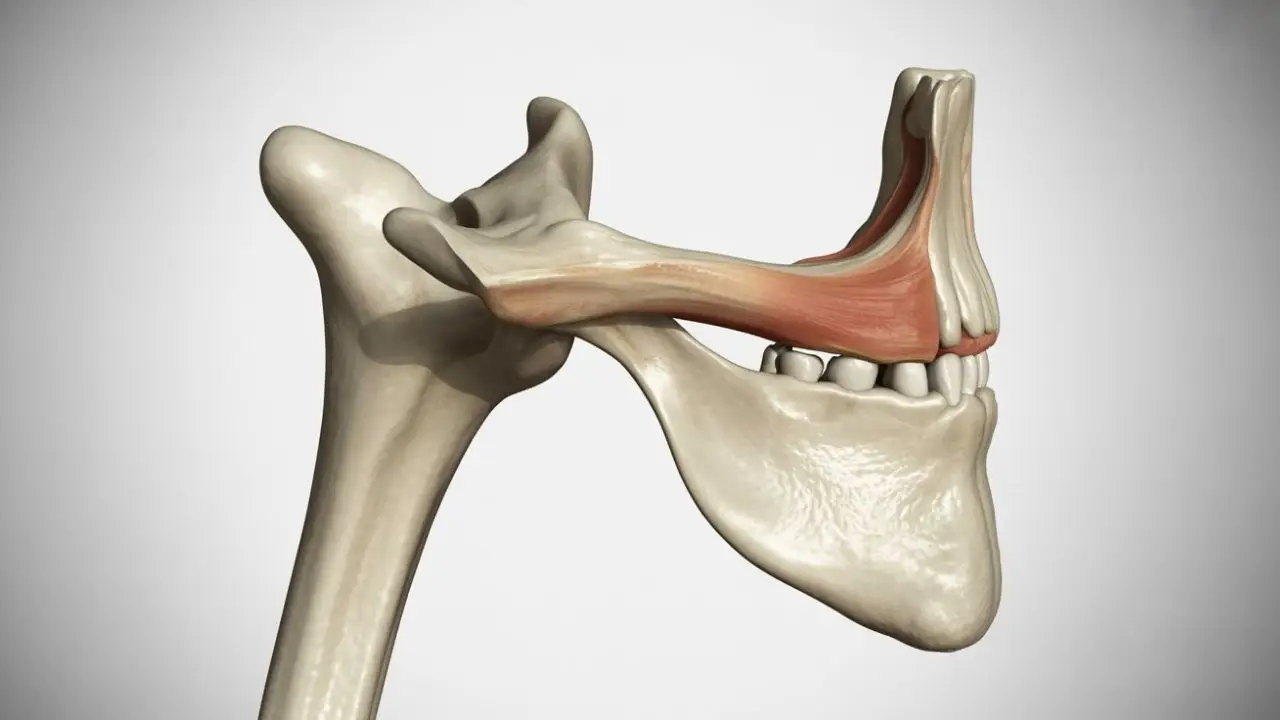
The zygomatic bone has three main processes that connect it to adjacent facial bones and help distribute structural forces across the midface. These processes ensure both facial stability and proper transmission of masticatory forces. Any alteration in their integrity can affect cheek contour and facial symmetry.
The frontal process extends upward and contributes to the lateral orbital rim, playing an important role in eye protection and orbital shape. Weakness or resorption in this area can reduce upper cheek support and subtly change the eye–cheek junction. This often contributes to an aged or hollow appearance around the eyes.
The temporal process connects the zygomatic bone to the temporal bone, forming the zygomatic arch. This arch supports the masseter muscle and is essential for efficient chewing. Structural compromise of the temporal process can affect facial width and alter the natural curvature of the cheek.
The maxillary process links the zygomatic bone to the maxilla and provides anterior midface support. Changes or weakening in this connection are closely associated with cheek flattening, as they reduce forward projection of the midface. This process is particularly important for maintaining youthful cheek fullness and facial balance.
Zygomatic Bone vs Maxilla: What’s the Difference?
The zygomatic bone provides lateral and anterior cheek projection, while the maxilla supports the central midface, upper teeth, and nasal base. Flattening of the cheeks often involves both bones: zygomatic resorption reduces width and projection, while maxillary retrusion causes inward collapse of the midface.
Zygomatic Bone Type and Facial Structure
Zygomatic bones vary in size, angle, and projection among individuals. Some people naturally have flatter zygomatic bones, which is a normal anatomical variant—not a defect. However, bone type influences how aging or weight loss affects cheek volume.
Zygomatic Bone CT: Why Imaging Matters
A zygomatic bone CT scan provides detailed insight into bone volume, symmetry, fractures, and maxillary relationships. In cases of sudden or unilateral cheek flattening, CT imaging helps rule out fractures, bone loss, or sinus-related pathology.
Zygomatic Bone Pain and Cheek Flattening
Pain in the zygomatic region may accompany flattening when caused by trauma, fracture, nerve irritation, or sinus disease. However, age-related cheek flattening usually occurs without pain and progresses gradually.
Zygomatic Bone Fracture and Cheek Flattening
A zygomatic bone fracture is a major cause of sudden cheek flattening. Displacement of the bone reduces malar projection, leading to visible facial asymmetry. Without proper reduction and fixation, flattening may become permanent.
Are Flat Cheeks Attractive?
Facial attractiveness is subjective and culturally influenced. While some fashion trends favor flatter cheeks, in most clinical and aesthetic studies, moderate cheek projection is associated with youthfulness and facial balance. Importantly, attractiveness depends on overall harmony—not cheek volume alone.
At What Age Do Cheeks Start Sagging or Flattening?
Subtle cheek volume loss can begin as early as the late 20s to early 30s. Noticeable flattening typically accelerates after age 40 due to collagen loss, fat pad descent, and bone resorption.
Do Cheeks Deflate With Age?
Yes. Facial fat compartments shrink and descend with age, while collagen and elastin decrease. Simultaneously, the zygomatic bone undergoes gradual resorption, all contributing to cheek deflation.
Why Is My Face Getting Flatter Overall?
General facial flattening may result from global fat loss, chronic calorie restriction, stress-induced hormonal imbalance, poor sleep, or accelerated aging. Loss of midface support often affects the entire facial structure.
How to Fix a Flat Cheek?
Correction depends on the cause. Options include:
- Weight restoration (if weight loss–related)
- Dermal fillers (hyaluronic acid, calcium-based)
- Fat grafting
- Zygomatic or submalar implants
- Orthognathic or maxillofacial surgery (structural causes)
Frequently Asked Questions About Cheek Flattening Explained
Cheek flattening is a multifactorial process involving bone anatomy, fat distribution, skin quality, and lifestyle. Early recognition allows for preventive strategies, while advanced cases benefit from targeted medical or surgical solutions. A personalized approach is essential to restore facial balance and maintain natural aesthetics.
How to Fix Sunken Cheeks?
Sunken cheeks typically require volume restoration. Fat grafting and fillers are the most common non-surgical options, while implants or bone-based corrections are considered for severe structural loss.
How Do I Restore Volume to My Face?
Volume can be restored through a combination of nutrition, collagen support, and aesthetic procedures. Addressing sleep, stress, and hormonal health is equally important for long-term results.
How Can I Plump My Cheeks Naturally?
Natural strategies include:
- Balanced caloric intake
- Adequate protein and healthy fats
- Hydration
- Facial massage (limited effect)
- Improving sleep quality
How Can I Gain Cheek Fat?
Cheek fat gain occurs with overall weight gain, not localized effort. Restoring healthy body weight can help refill facial fat compartments.
Can I Gain Weight Back in My Face?
Yes, but fat distribution varies by genetics and age. Younger individuals are more likely to regain facial fat than older adults.
How Can I Rebuild Collagen in My Face?
Collagen production can be supported through:
- Protein and vitamin C intake
- Retinoids and sunscreen
- Microneedling or laser treatments
- Avoiding smoking and excessive sun exposure
How to Fix Cheek Flattening Long Term?
Long-term correction often requires addressing the underlying cause—whether bone, fat, or skin-related. In advanced cases, structural treatments such as zygomatic implants or maxillofacial surgery provide the most stable and lasting correction.
Does Sleep Affect Facial Fat?
Yes. Poor sleep quality increases cortisol levels, which can accelerate fat loss and collagen breakdown. Chronic sleep deprivation is linked to facial volume loss and premature aging.
Why Is Gen Z Aging So Fast?
Increased screen time, high stress, poor sleep, restrictive diets, and environmental factors (blue light, pollution) may contribute to earlier signs of facial aging, including cheek flattening, in younger generations.
How Can I Flatten My Cheeks Intentionally?
Some individuals seek flatter cheeks for aesthetic reasons. This can be achieved through weight loss, fat-dissolving treatments, or surgical cheek reduction. These approaches should only be considered after professional evaluation.